
Bird · GBIF taxon 2481938
Painted Stork
Mycteria leucocephalaAlso known as Indian Painted Stork, Asian Painted Stork
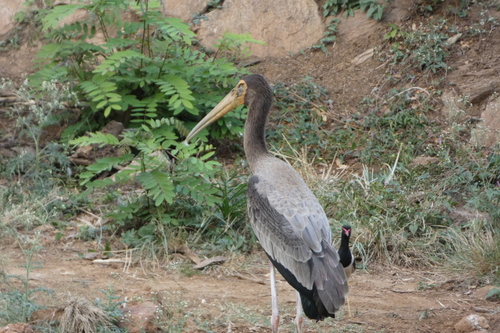
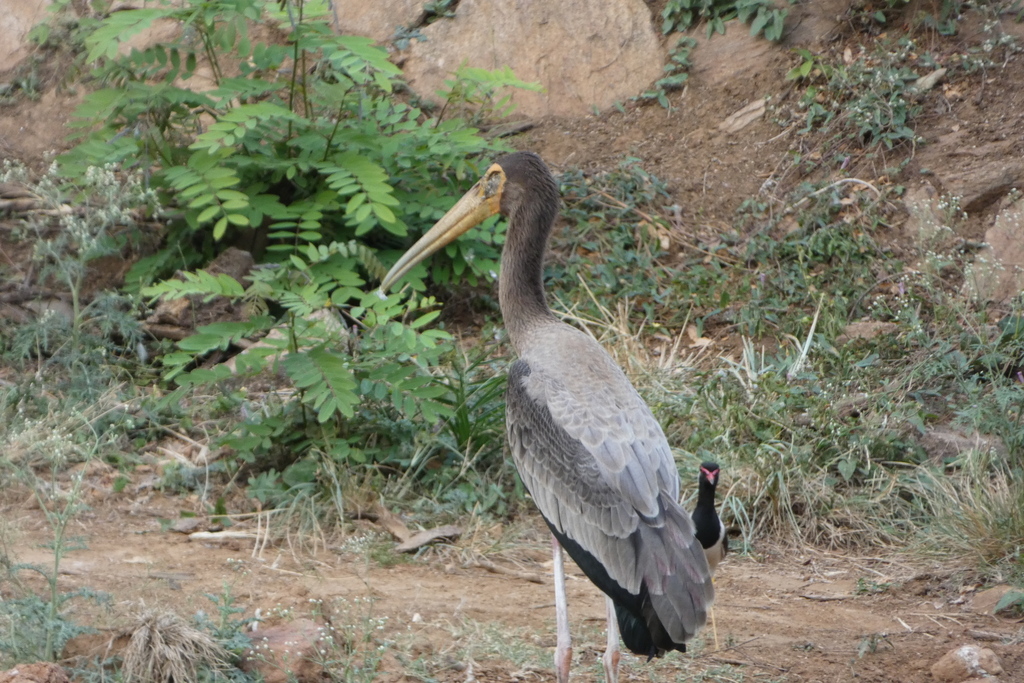
Painted storks stride through shallow Asian wetlands, sweeping their bright yellow downcurved bills through muddy waters to snap up small fish by touch. Their striking plumage features black wing bands, unfeathered pinkish heads, and delicate rose-pink tertial plumes that drape over their tails. During the breeding season, thousands gather in loud, bustling treetop colonies where adults communicate through rhythmic bill-clattering and low moans.
Wading BirdColonial NesterPink Plumes
 1 / 7
1 / 7—observations
—countries
—peak records
Least ConcernConservation statusIUCN Red List categoriesLCNTVUENCREWEXLeast ConcernRed List categories, explained →
Diet & prey
- Small Fish
- Frogs
- Crustaceans
Predators
- Mugger Crocodile
- Pallas's Fish Eagle
- Monitor Lizards
ThreatsWetland degradation, pollution, agricultural expansion, nest disturbance
HabitatsFreshwater marshes, lakes, riverbanks, flooded fields, flooded plains
Life span20–28 years
Size / weightNot available
Classification
- FamilyCiconiidae
- SpeciesMycteria leucocephala
Range data is not available yet.
Interaction riskLow
- Low
- Moderate
- High
- Very high
- Why interaction risk is low
- Safe to observe at a normal distance.
- What to notice
- Recognizable by its yellow downcurved bill, bare pink face, black chest band, and pink wing feathers.
- Support conservation
- Observe breeding colonies from designated viewpoints and maintain distance from nest trees.
Responsible observation
- Observation Distance: Keep a respectful distance from nesting trees to avoid flushing breeding adults.
- Seasonal Timing: Visit wetlands during the dry season when birds concentrate around receding waters.
- Binocular View: Scan shallow mudflats early in the morning when storks actively sweep for fish.
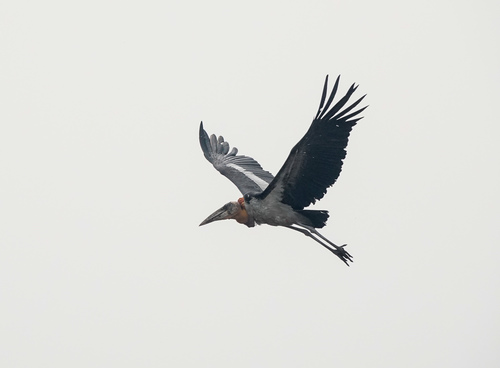
Co-occurring Stork (c) Rejoice Gassah, some rights reserved (CC BY), uploaded by Rejoice Gassah · cc-by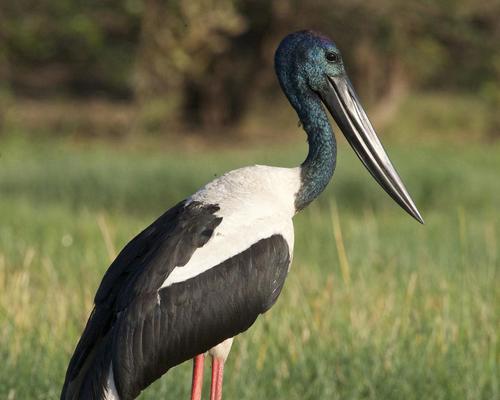
Co-occurring Stork (c) Lip Kee, some rights reserved (CC BY-SA) · cc-by-sa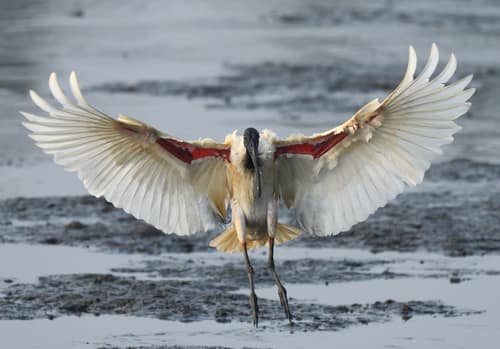
Nesting Neighbor (c) sunnyjosef, some rights reserved (CC BY), uploaded by sunnyjosef · cc-by
Close Relative (c) Jessica, some rights reserved (CC BY) · cc-by
Help improve the field guideSomething wrong?
Checking your Fauna account…Report a name, category, or profile issue for review.