
Bird · GBIF taxon 2481909
Black Stork
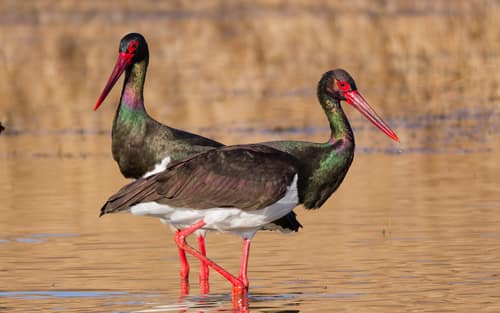
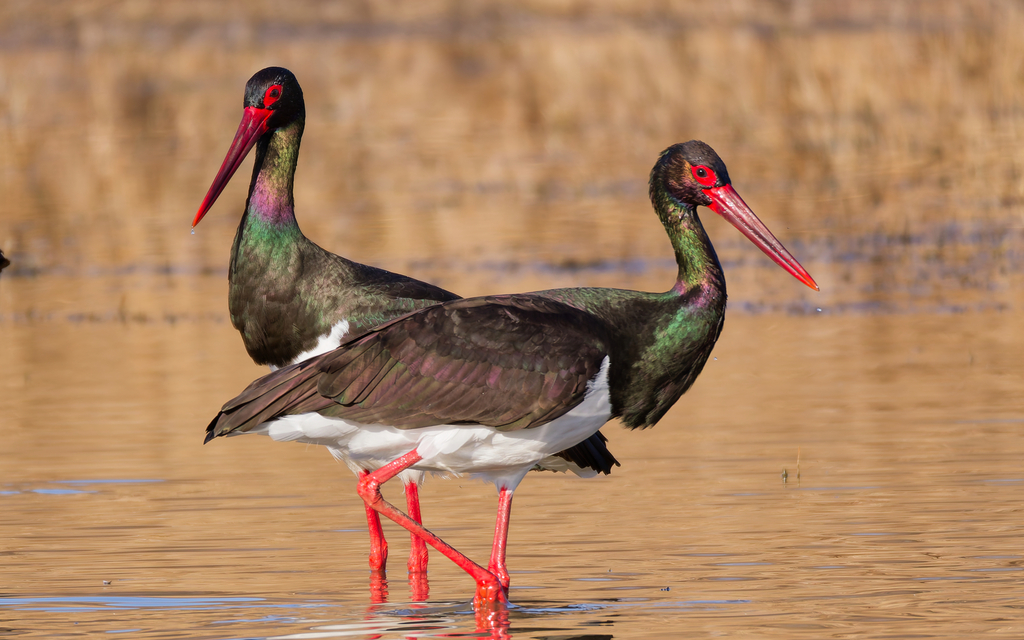
Ciconia nigraBlack storks inhabit secluded, mature forests with nearby streams, marshes, or forest ponds where they hunt stealthily on foot. Unlike their white cousins, these solitary waders build massive stick nests high in undisturbed old-growth trees or on remote cliff ledges, returning to the same site year after year. They emit low whistles and bill-clatters during courtship, but remain remarkably quiet and shy throughout most of the year.
MigratoryWading BirdForest Nesting
 1 / 7
1 / 7—observations
—countries
—peak records
Least ConcernConservation statusIUCN Red List categoriesLCNTVUENCREWEXLeast ConcernRed List categories, explained →
Diet & prey
- Fish
- Frogs
- Aquatic insects
Predators
- Eagles
- Owls
- Mammalian nest predators
ThreatsDeforestation, wetland drainage, collision with power lines, disturbance during nesting
HabitatsOld-growth forests, river valleys, forested wetlands, streams
Life span18–25 years in the wild
Size / weightNot available
Classification
- FamilyCiconiidae
- SpeciesCiconia nigra
Range data is not available yet.
Interaction riskLow
- Low
- Moderate
- High
- Very high
- Why interaction risk is low
- Safe to observe at a normal distance.
- What to notice
- Look for a large black stork with iridescent green and purple sheen, red bill and legs, and bright white belly.
- Support conservation
- Keep at least several hundred meters away from active nest trees and avoid visiting breeding territories during spring.
Responsible observation
- Observe from Distance: Use binoculars or a spotting scope to avoid flushing birds from sensitive forest foraging areas.
- Respect Nest Sites: Keep a wide distance from known tree nests during spring breeding to prevent nest abandonment.
- Scan Riverbanks: Look along quiet, slow-moving forest streams and woodland ponds early in the morning.
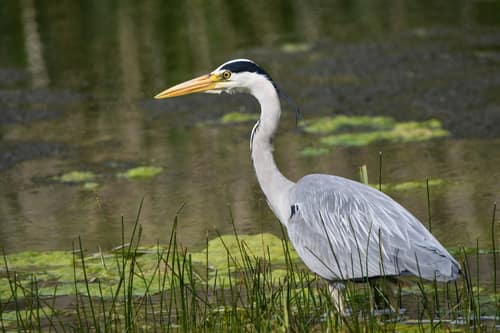
Competitor (c) Frank Sengpiel, some rights reserved (CC BY), uploaded by Frank Sengpiel · cc-by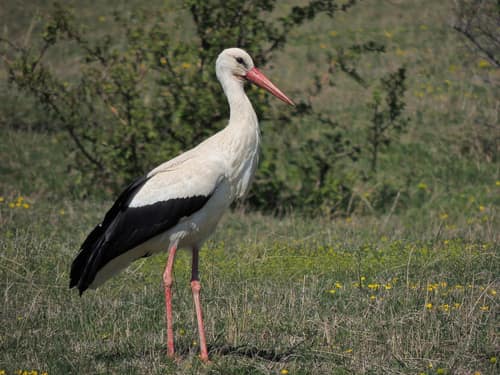
Close Relative (c) xulescu_g, some rights reserved (CC BY-SA) · cc-by-sa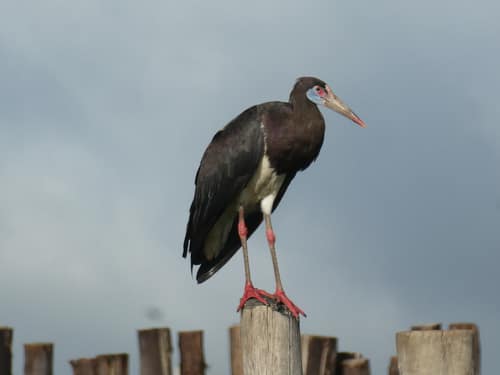
Close Relative (c) datadan, some rights reserved (CC BY), uploaded by datadan · cc-by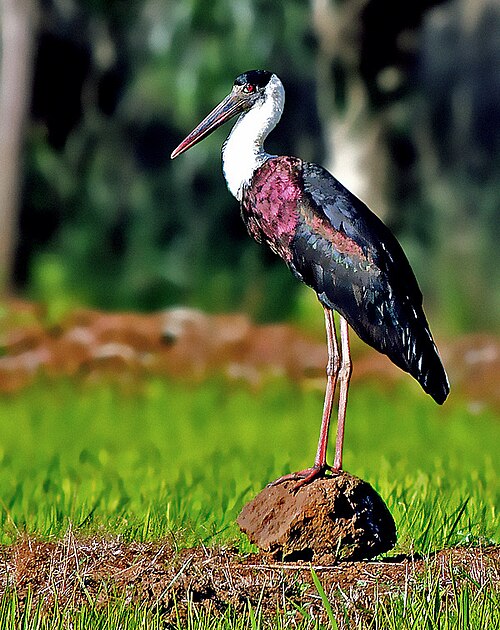
Close Relative Shantanu Kuveskar / CC BY-SA 4.0 · cc-by-sa
Help improve the field guideSomething wrong?
Checking your Fauna account…Report a name, category, or profile issue for review.