
Bird · GBIF taxon 2481890
Great Cormorant
Phalacrocorax carboAlso known as Great Black Cormorant
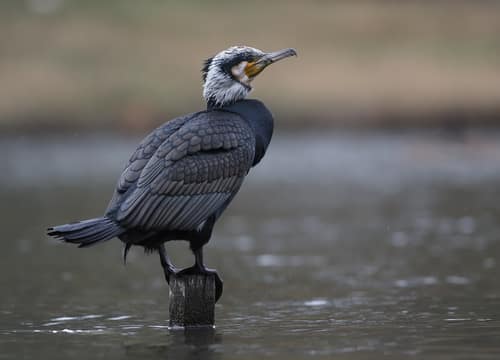
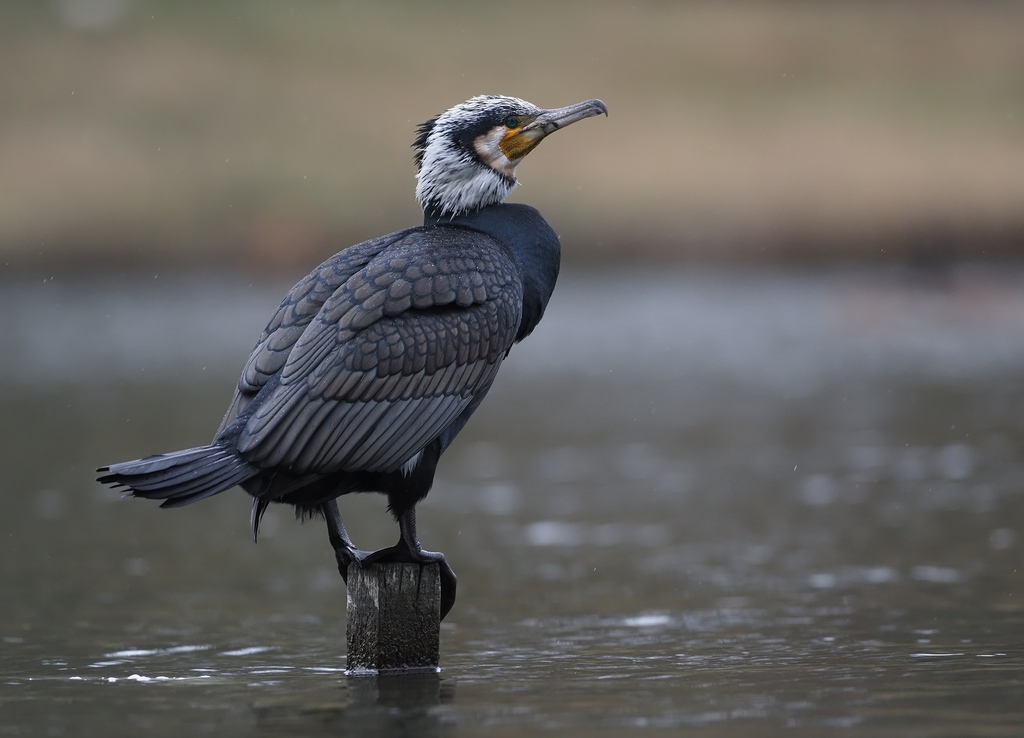
Great Cormorants are large dark waterbirds with long necks, heavy hooked bills, and yellow skin at the base of the lower bill. They swim low, dive after fish, and often rest with wings spread to dry.
diving birdfish huntercolonial nester
—observations
—countries
—peak records
Least ConcernConservation statusIUCN Red List categoriesLCNTVUENCREWEXLeast ConcernRed List categories, explained →
Diet & prey
- fish
- crustaceans
- aquatic insects
Predators
- large eagles
- gulls
- foxes
ThreatsFishing-gear entanglement, persecution, water pollution, colony disturbance, and prey depletion
HabitatsCoasts, estuaries, rivers, lakes, reservoirs, and rocky or wooded nesting colonies
Life spanOften ten to twenty years, with some banded birds living longer
Size / weightNot available
Classification
- OrderSuliformes
- FamilyPhalacrocoracidae
- GenusPhalacrocorax
- SpeciesPhalacrocorax carbo
Range data is not available yet.
Interaction riskLow
- Low
- Moderate
- High
- Very high
- Why interaction risk is low
- Keep clear of nesting colonies and birds entangled in fishing gear.
Responsible observation
- Identify: Note the heavy hooked bill, yellow throat patch, and large dark body.
- Watch: Follow a low-swimming bird until it dives and resurfaces farther away.
Help improve the field guideSomething wrong?
Checking your Fauna account…Report a name, category, or profile issue for review.