
Bird
Pied Cormorant
Phalacrocorax variusAlso known as Australian Pied Cormorant, Pied Shag, Kāruhiruhi, Great Pied Cormorant
Pied cormorants are striking coastal divers easily recognized by their stark black upperparts, pristine white bellies, and vibrant yellow-orange facial patches. They plunge from the surface to chase fish underwater, propelling themselves with powerful webbed feet before hauling out onto jetties or mangroves to dry their permeable plumage with wings outstretched. In colonial rookeries, breeding pairs construct bulky stick nests in coastal trees, greeting returning mates with rhythmic head-swaying and hoarse, guttural calls.
CoastalPiscivoreDiving Bird
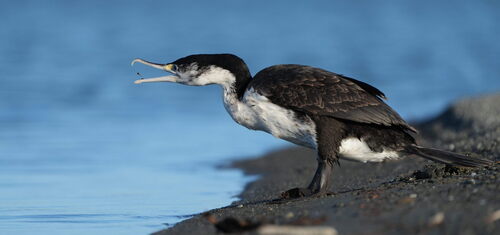
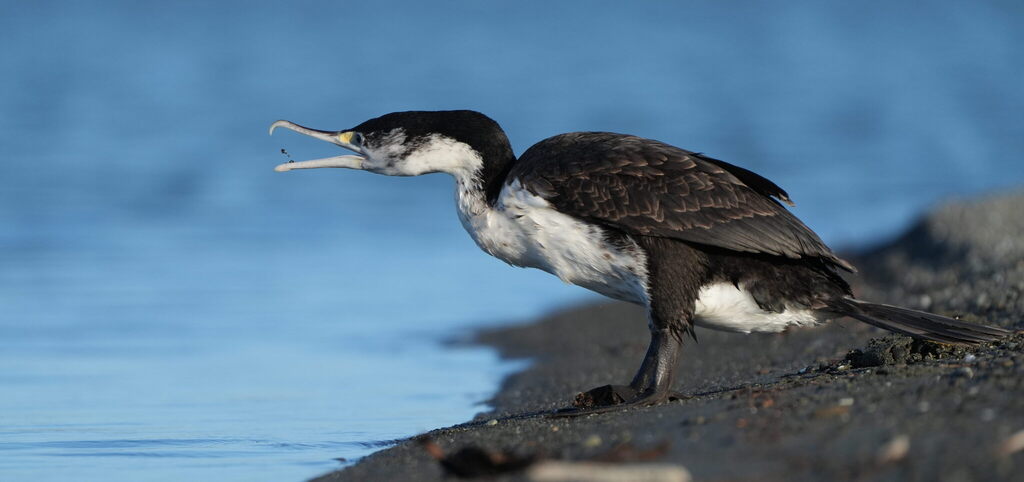
—observations
—countries
—peak records
Least ConcernConservation statusIUCN Red List categoriesLCNTVUENCREWEXLeast ConcernRed List categories, explained →
Diet & preyMullet, Whiting, Prawns
Predators
- White-bellied Sea-Eagle
- Australasian Harrier
- Red Fox
ThreatsEntanglement in discarded fishing gear, oil spills, and coastal development
HabitatsCoastal waters, estuaries, mangroves, and large inland lakes
Life span12–18 years
Classification
- OrderSuliformes
- FamilyPhalacrocoracidae
- GenusPhalacrocorax
- SpeciesPhalacrocorax varius
Range data is not available yet.
Interaction riskLow
- Low
- Moderate
- High
- Very high
- Why interaction risk is low
- Sharp hooked beak can deliver a deep, painful bite if cornered; observe from a respectful distance.
Responsible observation
- Wing Drying: Look for individuals perching on pylons or exposed branches with wings spread wide to shed water.
- Colony Etiquette: Keep a generous distance from breeding colonies in mangroves to avoid triggering panic and egg loss.
- Hook Hazard: Report any individuals entangled in discarded nylon fishing line to local wildlife rescue groups.
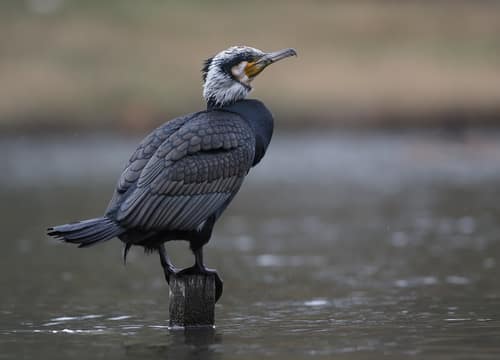
Congener (c) Frank Vassen, some rights reserved (CC BY) · cc-by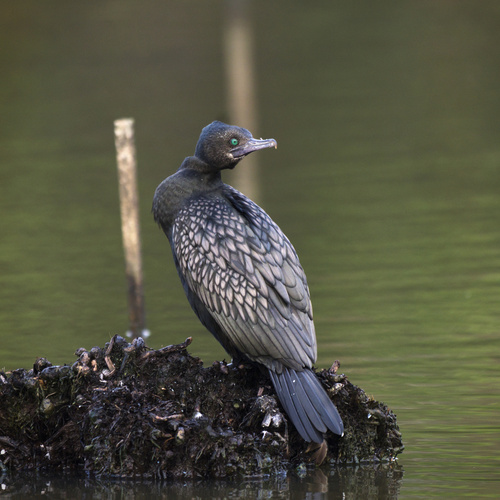
Congener (c) Thomas Jaeger, some rights reserved (CC BY) · cc-by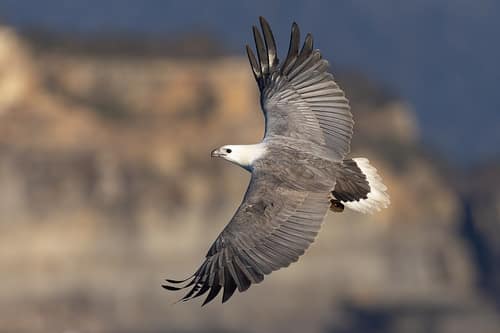
Predator JJ Harrison / CC BY-SA 3.0 · cc-by-sa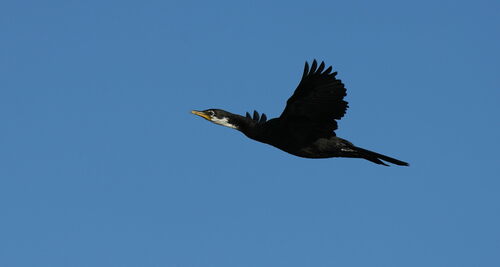
Close Relative (c) William Harland, some rights reserved (CC BY), uploaded by William Harland · cc-by
Help improve the field guideSomething wrong?
Checking your Fauna account…Report a name, category, or profile issue for review.