
Bird · GBIF taxon 2481728
Green Sandpiper
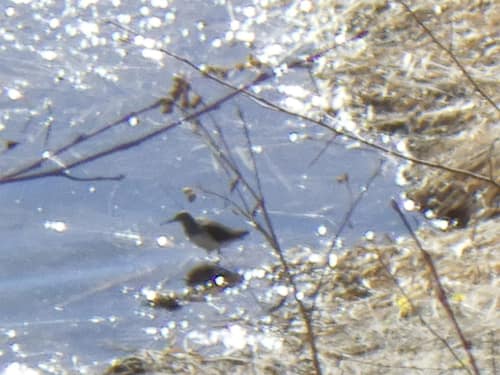
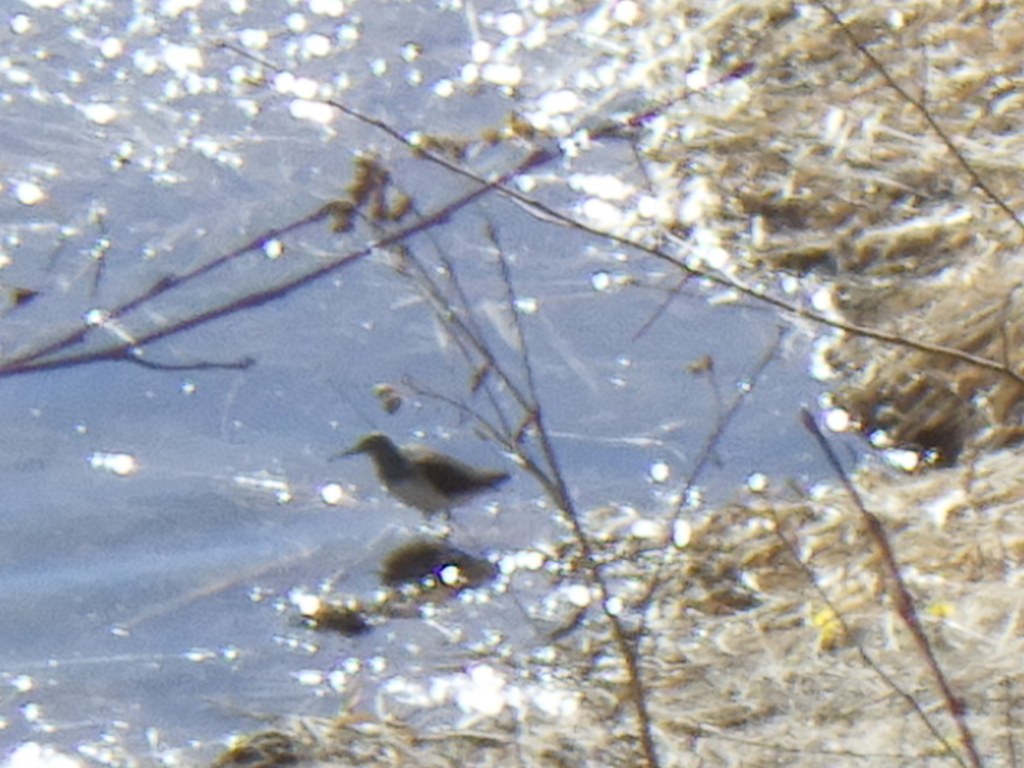
Tringa ochropusGreen sandpipers are solitary Eurasian waders known for their starkly contrasting dark upperparts and bright white underparts. Unlike most sandpipers that nest on the ground, they frequently lay their eggs in old tree nests built by thrushes or squirrels high above the wetland floor. When flushed, they launch into a swift, towering zigzag flight while sounding a ringing three-note call that echoes along muddy riverbanks.
WaderMigratoryFreshwater
—observations
—countries
—peak records
Least ConcernConservation statusIUCN Red List categoriesLCNTVUENCREWEXLeast ConcernRed List categories, explained →
Diet & prey
- Aquatic insects
- Water beetles
- Earthworms
Predators
- Falcons
- Hawks
- Owls
ThreatsWetland drainage, agricultural runoff, water pollution, and habitat degradation
HabitatsFreshwater wetlands, forest pools, muddy ditches, riverbanks, and marshes
Life span5–11 years
Classification
- FamilyScolopacidae
- SpeciesTringa ochropus
Range data is not available yet.
Interaction riskLow
- Low
- Moderate
- High
- Very high
- Why interaction risk is low
- Safe to observe at a normal distance.
Responsible observation
- Listen for calls: Scan quiet forest ponds when you hear a sharp, piping flight call ringing through the trees.
- Approach quietly: Move slowly along bankside vegetation, as these birds flush easily when startled.
- Scan the tree canopy: Look up into trees near woodland pools during spring to spot nesting pairs.
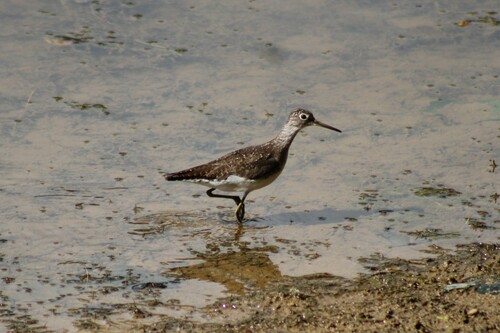
American Counterpart (c) Robert Harris, some rights reserved (CC BY) · cc-by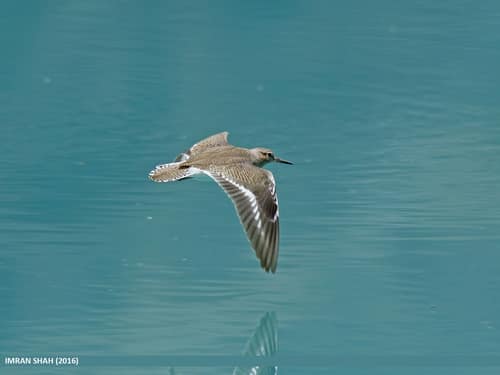
Co-occurring Wader (c) Imran Shah, some rights reserved (CC BY-SA) · cc-by-sa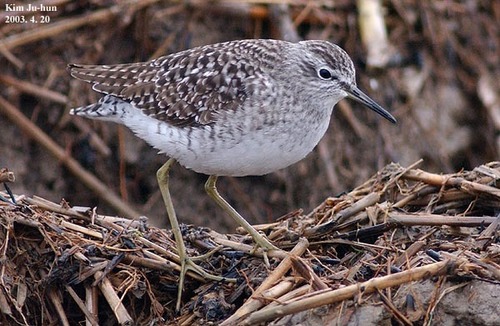
Close Relative (c) Kim, Hyun-tae, some rights reserved (CC BY), uploaded by Kim, Hyun-tae · cc-by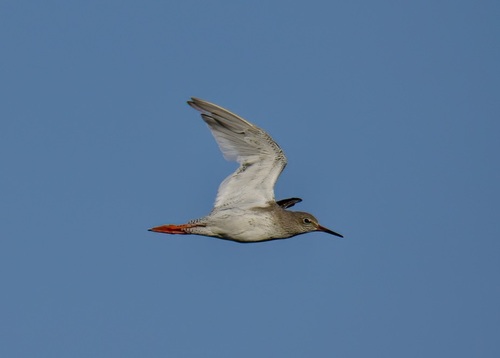
Close Relative (c) Luiz Lapa, some rights reserved (CC BY) · cc-by
Help improve the field guideSomething wrong?
Checking your Fauna account…Report a name, category, or profile issue for review.