
Bird · GBIF taxon 2481721
Lesser Yellowlegs
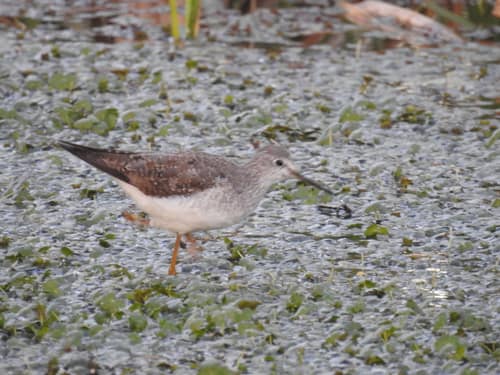
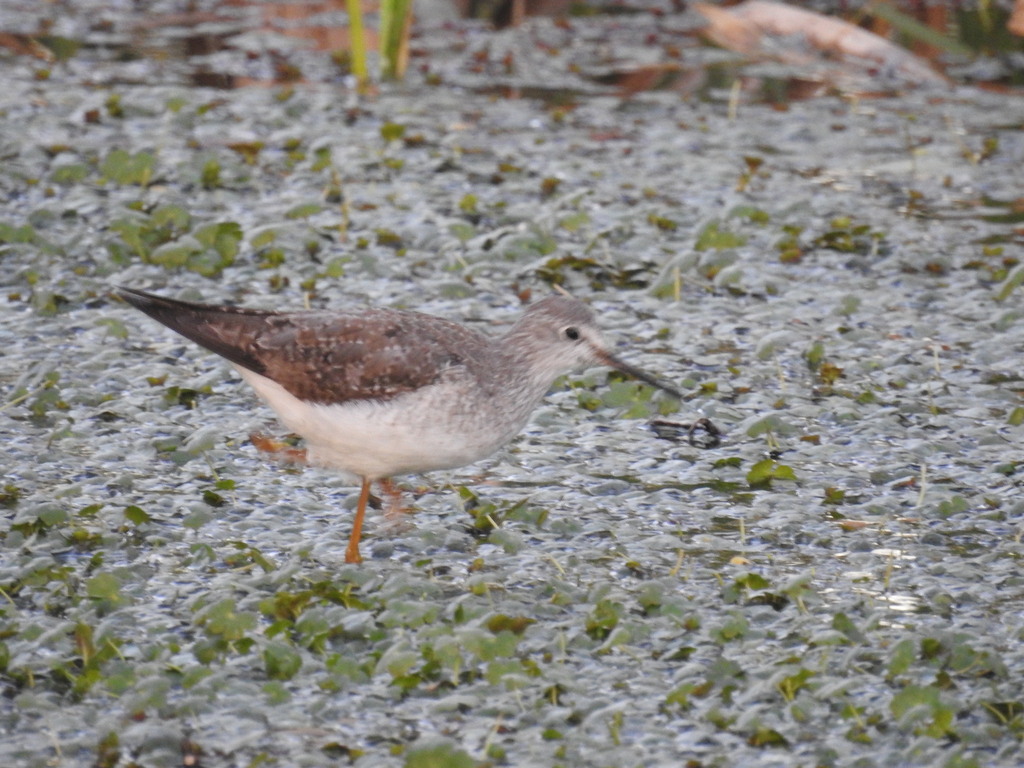
Tringa flavipesThe Lesser Yellowlegs is a slender gray shorebird with bright yellow legs and a fine, straight bill only slightly longer than its head. It wades actively through shallow water, picking and sweeping for small aquatic animals.
Migratory ShorebirdYellow LegsShallow-water Forager
—observations
—countries
—peak records
VulnerableConservation statusIUCN Red List categoriesLCNTVUENCREWEXVulnerableRed List categories, explained →
Diet & prey
- Aquatic insects
- Small crustaceans
- Worms
Predators
- Falcons
- Gulls
- Foxes
ThreatsWetland loss, hunting, pollution, pesticide exposure, climate change, and migration disturbance
HabitatsBoreal breeding wetlands, marshes, mudflats, flooded fields, estuaries, and shallow ponds
Life spanOften several years; banded birds can live more than a decade
Size / weightNot available
Classification
- FamilyScolopacidae
- SpeciesTringa flavipes
Range data is not available yet.
Interaction riskLow
- Low
- Moderate
- High
- Very high
- Why interaction risk is low
- Keep well back from feeding flocks and concealed boreal nesting ground.
- What to notice
- A slim gray shorebird combines vivid yellow legs with a fine straight bill slightly longer than the head.
- Support conservation
- Observe remotely, avoid flushing feeding groups, and keep people and pets away from nesting or roosting habitat.
Responsible observation
- Size: Compare its delicate bill and compact body with larger yellowlegs nearby.
- Sound: Listen for a soft one- or two-note whistled call.
- Distance: Use optics without pushing birds from productive shallows.
Help improve the field guideSomething wrong?
Checking your Fauna account…Report a name, category, or profile issue for review.