
Bird
Black-tailed Godwit
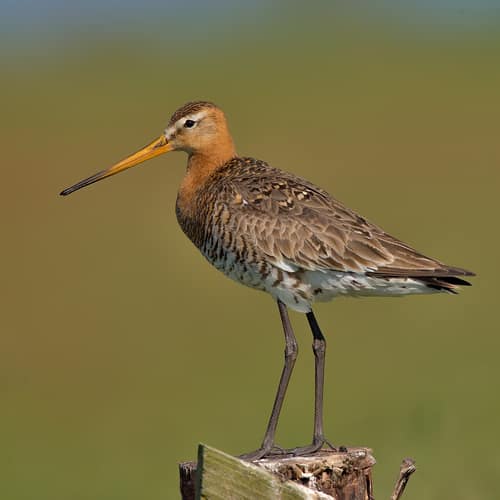
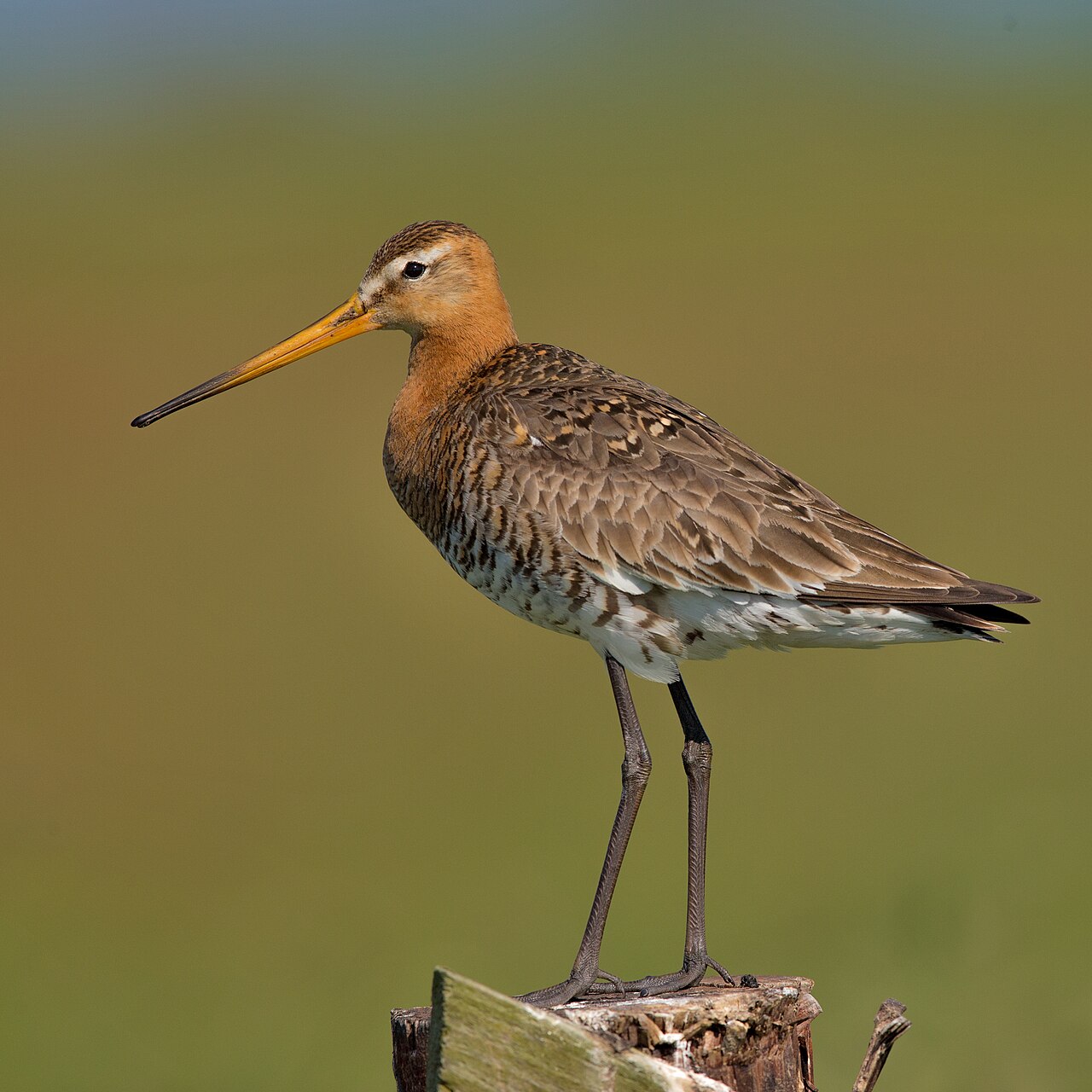
Limosa limosaBlack-tailed godwits are impressive, long-billed waders celebrated for their long-distance migrations and striking seasonal transformations. Breeding adults show off warm, brick-red plumage across the head, neck, and chest, contrasting sharply with their grey-brown winter tones. In flight, they reveal a bold white wingbar and a jet-black tail band, probing soft wetland mud with specialized, sensitive bill tips to catch buried prey.
MigratoryWaderShorebird
—observations
—countries
—peak records
Near ThreatenedConservation statusIUCN Red List categoriesLCNTVUENCREWEXNear ThreatenedRed List categories, explained →
Diet & preyEarthworms, Aquatic insects, Small mollusks
Predators
- Peregrine Falcon
- Red Fox
- Marsh Harrier
ThreatsAgricultural intensification, drainage of wet meadows, nest predation, and coastal habitat destruction
HabitatsDamp lowland grasslands, freshwater marshes, sewage farms, coastal estuaries, and mudflats
Life span10–15 years in the wild
Classification
- FamilyScolopacidae
- SpeciesLimosa limosa
Range data is not available yet.
Interaction riskLow
- Low
- Moderate
- High
- Very high
- Why interaction risk is low
- Safe to observe at a normal distance.
- What to notice
- Recognize by its long orange-based bill, orange breast in summer, and white wingbars in flight.
- Support conservation
- Keep a generous distance using optics, particularly in spring when adults defend ground nests.
Responsible observation
- High-Tide Scanning: Use a spotting scope to view resting flocks on coastal high-tide roosts.
- Nesting Season Etiquette: Stick to designated public paths near wet meadows to avoid disturbing ground nests.
- Flight ID: Watch for the distinctive wide white wing stripe and black tail pattern as flocks take off.
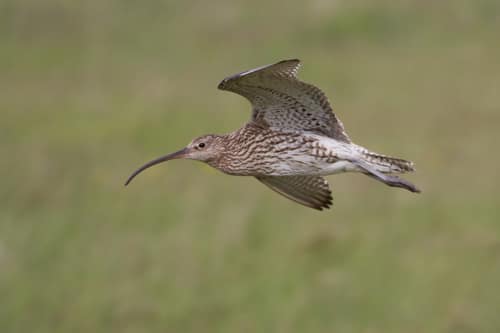
Frequent Companion (c) Joanne Goldby, some rights reserved (CC BY-SA) · cc-by-sa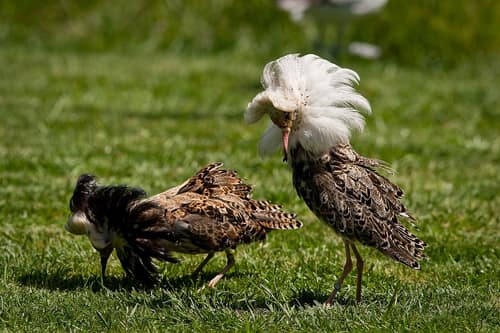
Frequent Companion Arjan Haverkamp / CC BY 2.0 · cc-by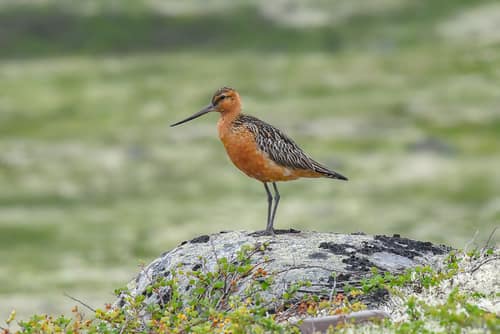
Close Relative (c) Настя Бухвалова, some rights reserved (CC BY), uploaded by Настя Бухвалова · cc-by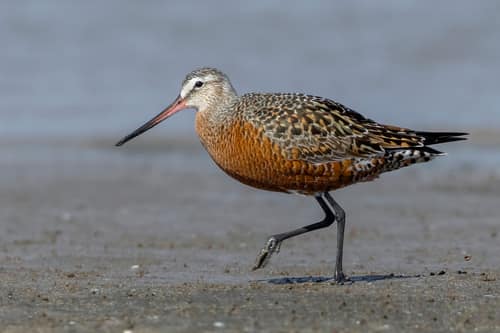
Close Relative (c) Gustavo Masuzzo, some rights reserved (CC BY) · cc-by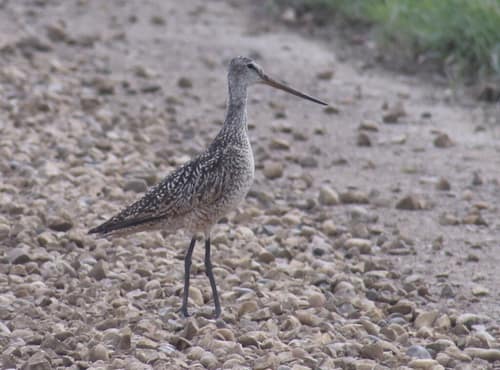
Close Relative (c) Sean Frey, some rights reserved (CC BY) · cc-by
Help improve the field guideSomething wrong?
Checking your Fauna account…Report a name, category, or profile issue for review.