
Bird · GBIF taxon 2481646
Little Penguin
Eudyptula minorAlso known as Fairy Penguin, Little Blue Penguin, Blue Penguin, Kororā
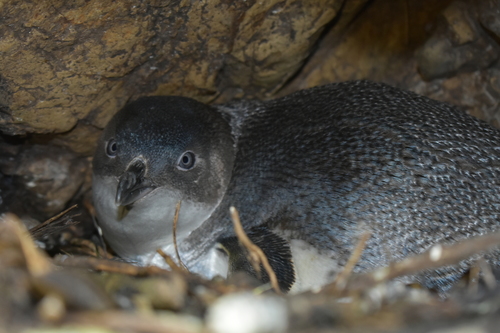
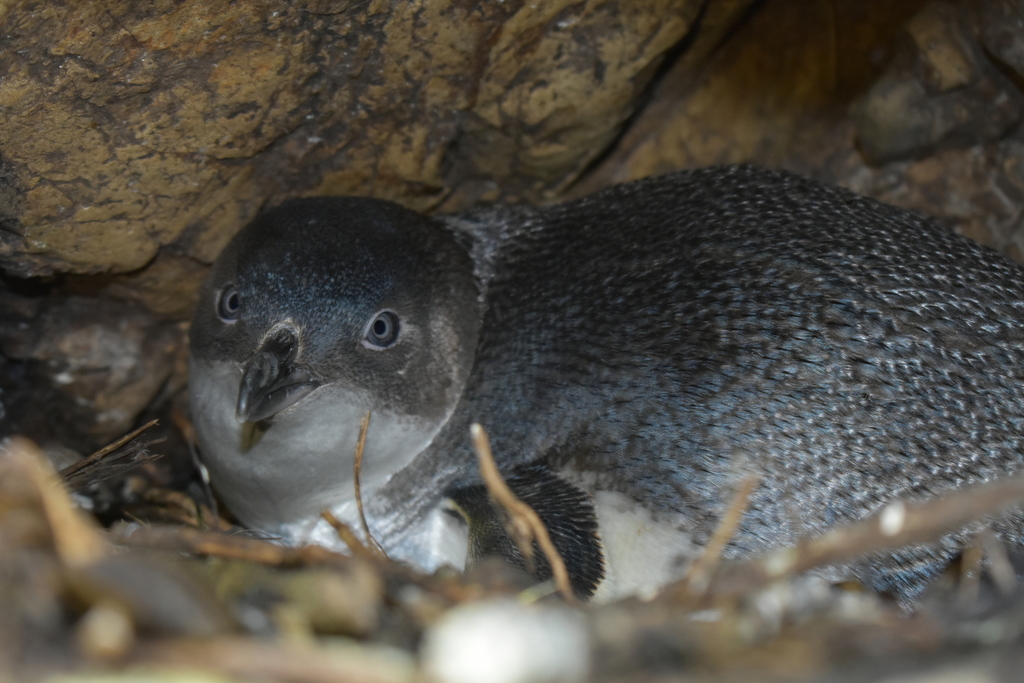
Little penguins navigate southern ocean currents during daylight hours to hunt small fish and squid before waddling ashore under cover of darkness. They raise their young in underground burrows or rock crevices, filling coastal colonies with loud, braying calls each night. Dense, oily feathers lock out freezing seawater while providing camouflage against marine predators.
MarineFlightlessCoastal
 1 / 7
1 / 7—observations
—countries
—peak records
Least ConcernConservation statusIUCN Red List categoriesLCNTVUENCREWEXLeast ConcernRed List categories, explained →
Diet & prey
- Anchovies
- Pilchards
- Squid
Predators
- Australian Fur Seals
- Introduced Foxes and Cats
- White-bellied Sea Eagles
ThreatsIntroduced predators, net entanglement, marine debris, ocean warming
HabitatsCoastal ocean waters, sandy beaches, rocky shores, and sea cliffs
Life span6–10 years
Size / weightNot available
Classification
- FamilySpheniscidae
- SpeciesEudyptula minor
Range data is not available yet.
Interaction riskLow
- Low
- Moderate
- High
- Very high
- Why interaction risk is low
- May bite with sharp beaks if cornered in burrows; keep a respectful distance on beaches.
- What to notice
- Look for small blue-grey seabirds emerging from the surf at dusk and waddling toward coastal burrows.
- Support conservation
- Maintain at least 5 meters distance, stay on boardwalks, and keep flashlights off during evening arrivals.
Responsible observation
- Observe Night Parades: Stand quietly on designated viewing platforms at dusk to watch them walk ashore without disturbing them.
- Avoid Bright Lights: Never use flash photography or flashlights, as light disorients returning birds.
- Control Pets: Keep dogs leashed and cats indoors in coastal areas near nesting colonies.
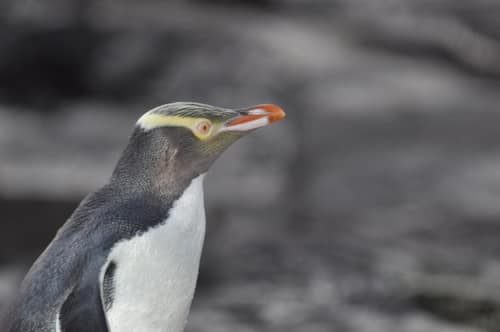
Co-inhabitant (c) Adriana Nelly Correa Sandoval, some rights reserved (CC BY), uploaded by Adriana Nelly Correa Sandoval · cc-by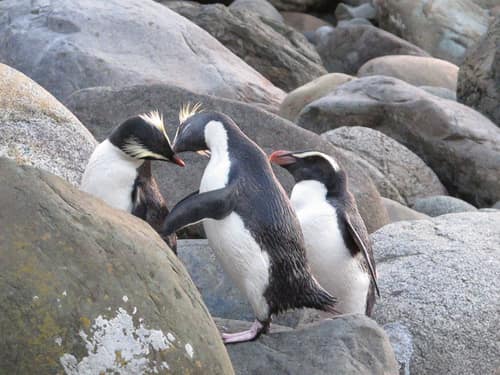
Regional Neighbor (c) John Barkla, some rights reserved (CC BY), uploaded by John Barkla · cc-by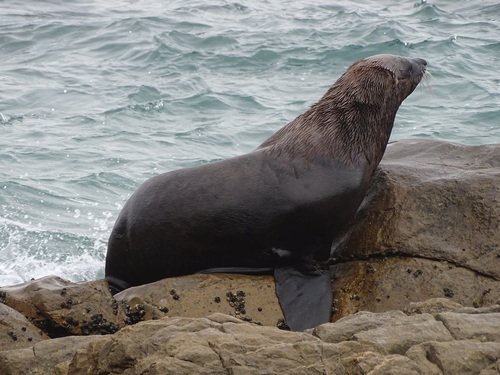
Predator (c) Shaun Swanepoel, some rights reserved (CC BY), uploaded by Shaun Swanepoel · cc-by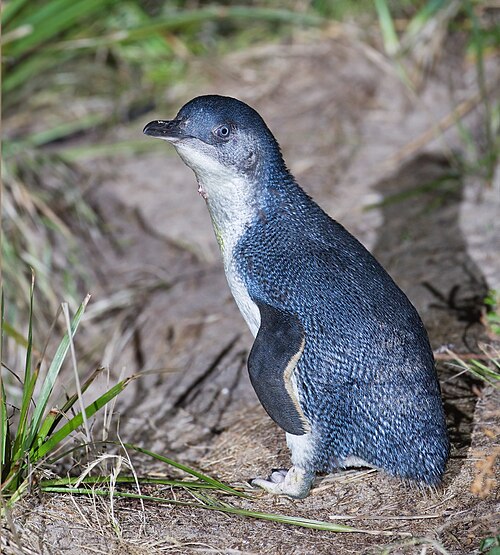
Close Relative JJ Harrison (https://www.jjharrison.com.au/) / CC BY-SA 3.0 · cc-by-sa
Help improve the field guideSomething wrong?
Checking your Fauna account…Report a name, category, or profile issue for review.