
Bird · GBIF taxon 2481635
Western Rockhopper Penguin
Eudyptes chrysocomeAlso known as Southern Rockhopper Penguin
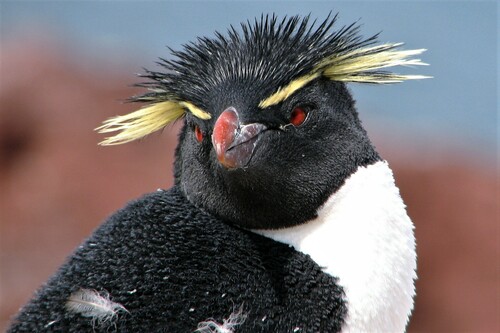
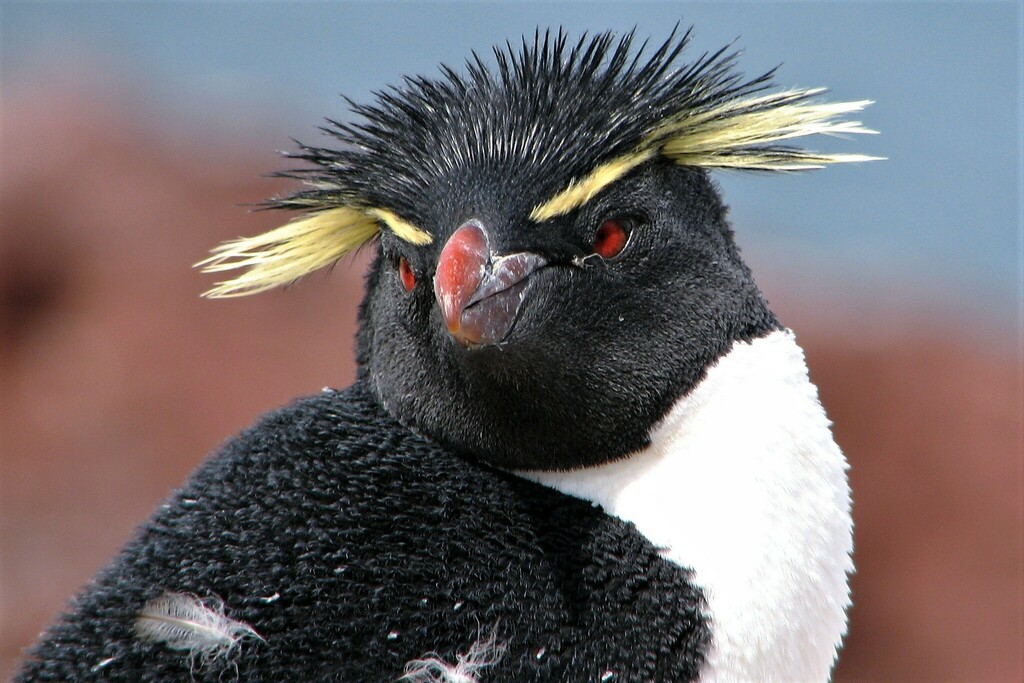
Western rockhopper penguins navigate steep, boulder-strewn shores by hopping with both feet bound together rather than waddling. Bright yellow crest feathers flare above their piercing red eyes, giving them a striking look as they defend cliffside nesting sites. These spirited seabirds spend months foraging at sea before returning to crowded, vocal subantarctic colonies to breed.
SeabirdColonialMarine
—observations
—countries
—peak records
VulnerableConservation statusIUCN Red List categoriesLCNTVUENCREWEXVulnerableRed List categories, explained →
Diet & prey
- Krill
- Squid
- Small fish
Predators
- Leopard seals
- Subantarctic skuas
- Orcas
ThreatsClimate change, ocean warming, fisheries competition, and oil pollution
HabitatsRocky island coasts, steep ocean cliffs, and open subantarctic ocean
Life span10–20 years
Classification
- OrderSphenisciformes
- FamilySpheniscidae
- GenusEudyptes
- SpeciesEudyptes chrysocome
Range data is not available yet.
Interaction riskLow
- Low
- Moderate
- High
- Very high
- Why interaction risk is low
- Nesting birds defend burrows vigorously with sharp beaks; keep a respectful distance.
- What to notice
- Look for spiky yellow eyebrow crests ending in tassels and bright red eyes.
- Support conservation
- Observe from established trails, avoid blocking access routes, and never enter active breeding colonies.
Responsible observation
- Distance etiquette: Keep at least 5 meters clear of nesting slopes and breeding birds.
- Path access: Never step between a traveling penguin and its path to the water.
- Quiet movement: Move slowly and keep voices low to avoid causing colony panic.
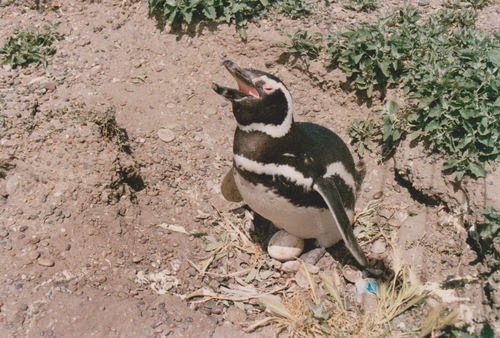
Frequent Companion (c) John Barkla, some rights reserved (CC BY), uploaded by John Barkla · cc-by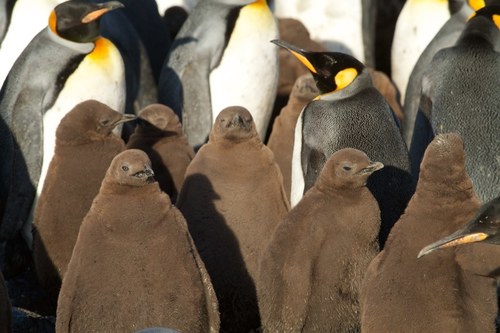
Frequent Companion (c) Brian Gratwicke, some rights reserved (CC BY) · cc-by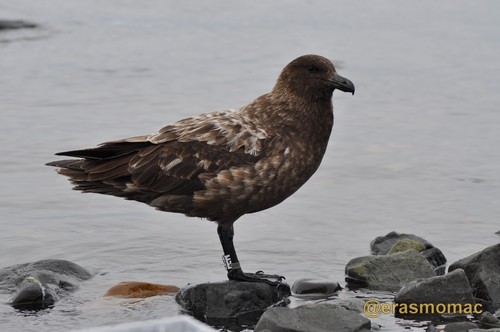
Predator (c) Erasmo Macaya Horta, some rights reserved (CC BY), uploaded by Erasmo Macaya Horta · cc-by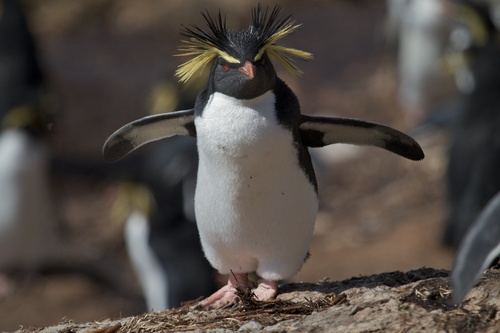
Close Relative (c) Brian Gratwicke, some rights reserved (CC BY) · cc-by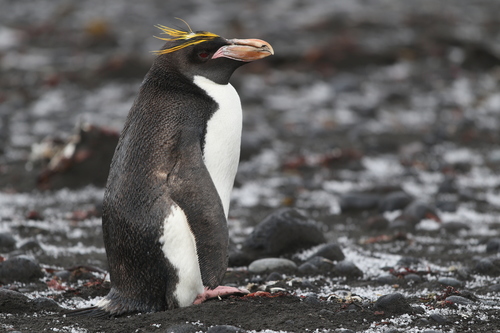
Close Relative (c) laikolosse, some rights reserved (CC BY) · cc-by
Help improve the field guideSomething wrong?
Checking your Fauna account…Report a name, category, or profile issue for review.