
Bird · GBIF taxon 2481621
Parasitic Jaeger
Stercorarius parasiticusAlso known as Arctic Skua, Parasitic Skua, Arctic Jaeger
Parasitic Jaegers are agile aerial acrobats of the high northern latitudes, known for relentlessly chasing gulls and terns to steal their freshly caught fish. On their tundra breeding grounds, adults nest directly on open ground and fiercely defend their eggs with dramatic injury-feigning displays and swooping aerial dives. During migration and winter, they roam wide open oceans across the southern hemisphere, leading mostly solitary lives offshore.
MigratorySeabirdPelagic
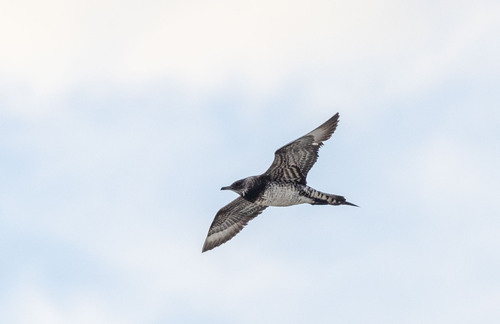
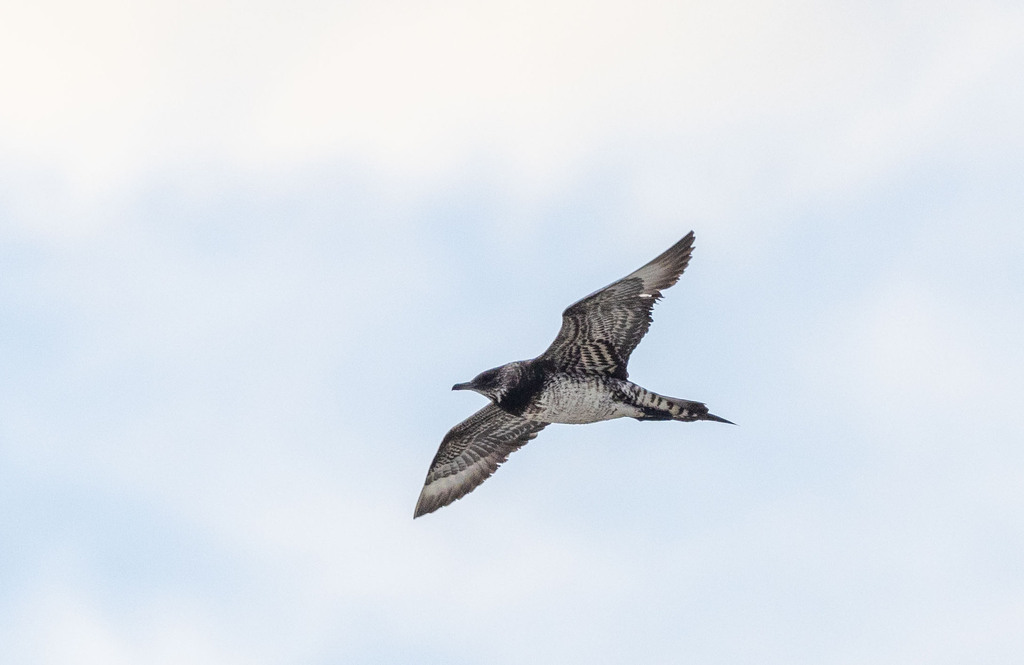
—observations
—countries
—peak records
Least ConcernConservation statusIUCN Red List categoriesLCNTVUENCREWEXLeast ConcernRed List categories, explained →
Diet & prey
- Fish
- Small rodents
- Bird eggs
Predators
- Arctic Fox
- Snowy Owl
- Glaucous Gull
ThreatsClimate change, decline of prey species, marine pollution
HabitatsArctic tundra, coastal waters, pelagic oceans
Life span15–25 years
Size / weightNot available
Classification
- FamilyStercorariidae
- SpeciesStercorarius parasiticus
Range data is not available yet.
Interaction riskLow
- Low
- Moderate
- High
- Very high
- Why interaction risk is low
- Nesting birds fiercely dive-bomb intruders; maintain a safe distance during the breeding season.
- What to notice
- Medium-sized dark or light-morph seabird with pointed central tail feathers and white wing flashes.
- Support conservation
- Keep a distance from tundra nesting territories, leaving immediately if adults swoop or dive-bomb.
Responsible observation
- Observation: Scan offshore seabird flocks or coastal roosts with a spotting scope during migration.
- Breeding Caution: Give nesting tundra pairs a wide berth if they begin alarm calls or diving displays.
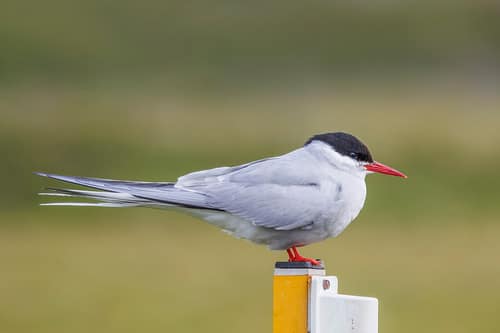
Prey Charles J. Sharp / CC BY-SA 4.0 · cc-by-sa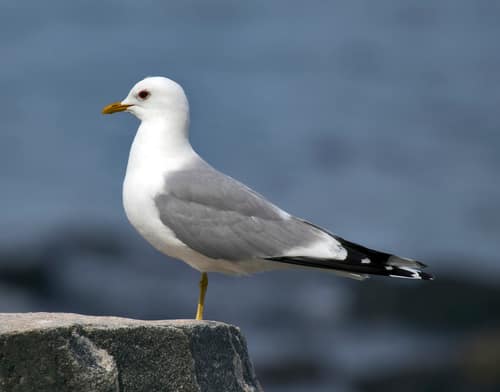
Prey (c) Andreas Trepte, some rights reserved (CC BY-SA) · cc-by-sa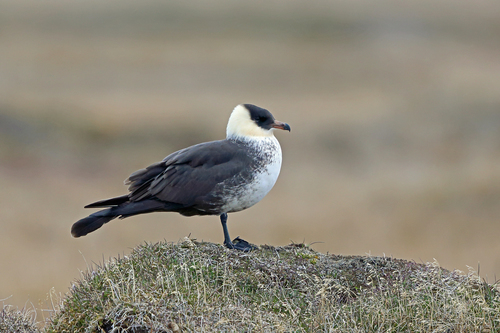
Close Relative (c) Nigel Voaden, some rights reserved (CC BY) · cc-by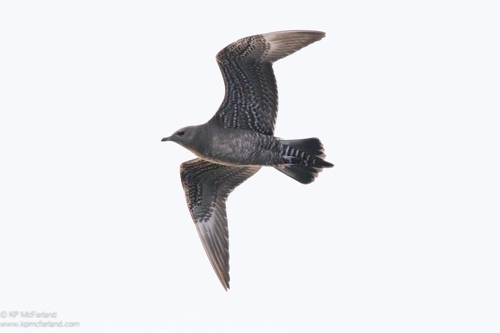
Close Relative no rights reserved, uploaded by Kent P. McFarland · cc0
Help improve the field guideSomething wrong?
Checking your Fauna account…Report a name, category, or profile issue for review.