
Bird · GBIF taxon 2481521
Cory's Shearwater
Calonectris diomedeaAlso known as Scopoli's Shearwater, Mediterranean Shearwater
Cory's shearwaters spend months at sea, effortlessly gliding over ocean swells using dynamic soaring to travel immense distances with minimal wingbeats. At night, breeding pairs return to remote Mediterranean and Atlantic cliffs, filling the darkness with eerie, wailing calls around their nesting burrows. They feed in large raft-like flocks on small fish and squid, frequently gathering around fishing vessels to scramble for discarded catch.
PelagicSeabirdMigratory
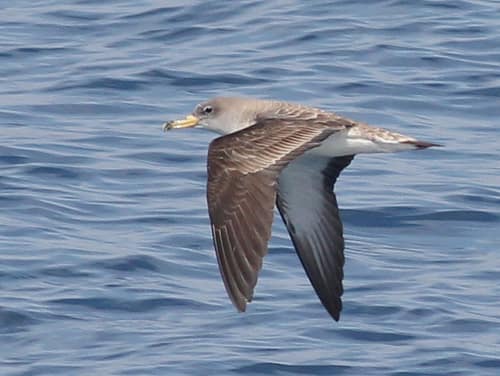
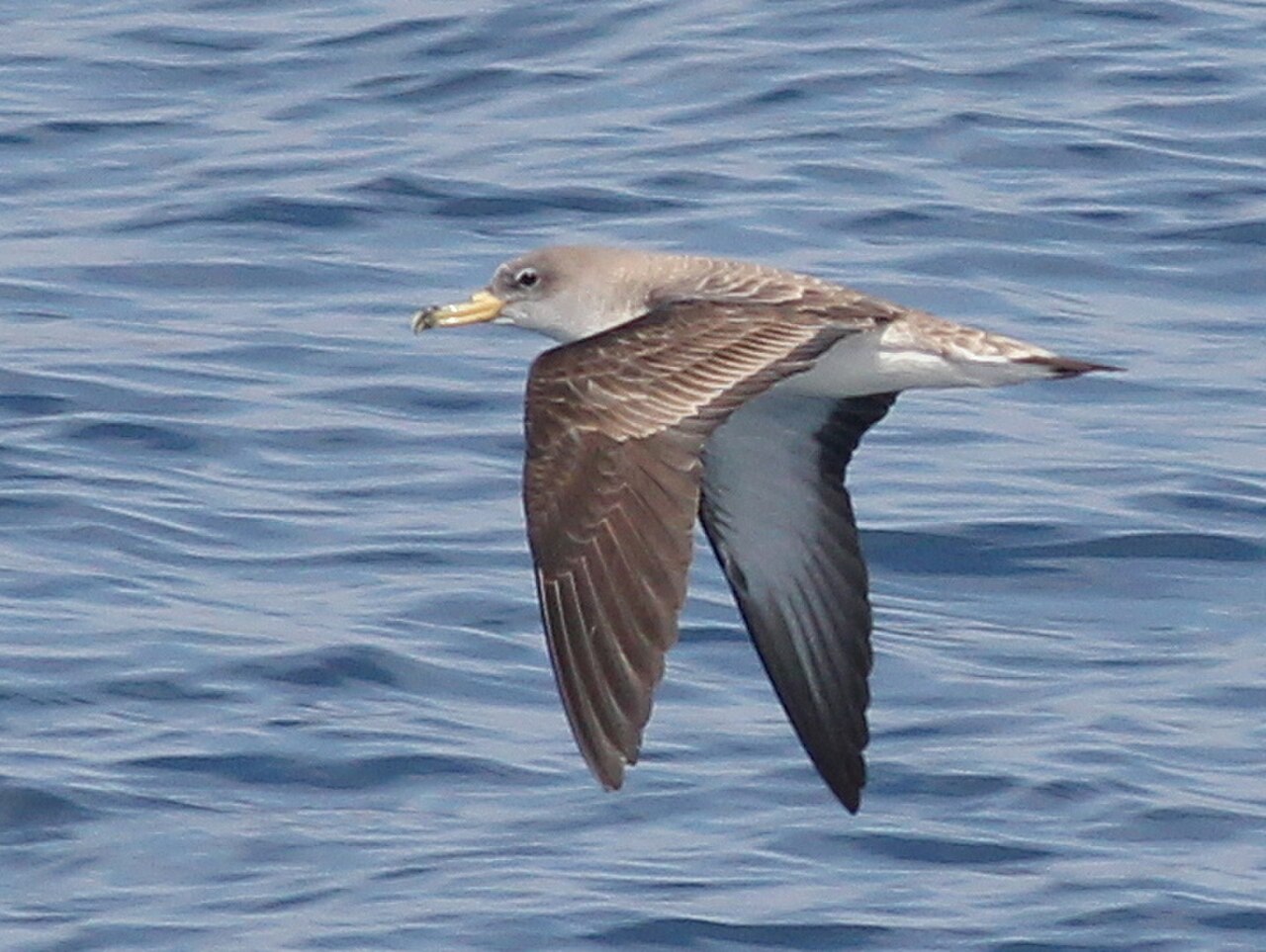
—observations
—countries
—peak records
Least ConcernConservation statusIUCN Red List categoriesLCNTVUENCREWEXLeast ConcernRed List categories, explained →
Diet & prey
- Small fish
- Squid
- Pelagic crustaceans
Predators
- Invasive rats
- Feral cats
- Large gulls
ThreatsInvasive island predators, fisheries bycatch, light pollution
HabitatsOpen ocean, coastal seas, rocky islands, offshore cliffs
Life span20–30 years
Size / weightNot available
Classification
- FamilyProcellariidae
- SpeciesCalonectris diomedea
Range data is not available yet.
Interaction riskLow
- Low
- Moderate
- High
- Very high
- Why interaction risk is low
- Safe to observe at a normal distance, especially from pelagic boats or coastal lookouts.
- What to notice
- Recognized by broad wings, brownish-grey upperparts, white belly, and pale yellow bill.
- Support conservation
- Observe from pelagic boat tours or coastal lookouts without disturbing nest burrows.
Responsible observation
- Pelagic Observation: Look for them gliding low over wave troughs using stiff-winged dynamic soaring.
- Colony Respect: Avoid visiting island nesting cliffs at night to prevent disturbing breeding pairs.
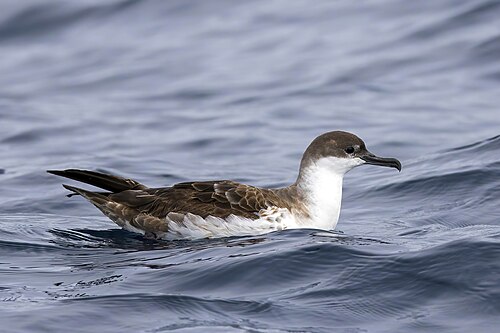
Pelagic Companion Charles J. Sharp / CC BY-SA 4.0 · cc-by-sa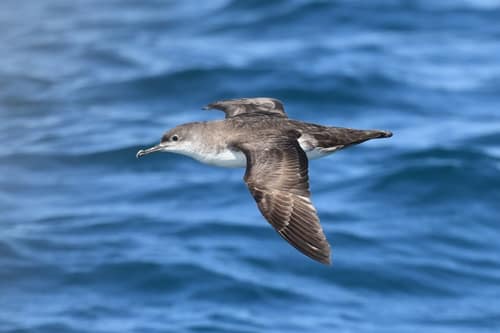
Range Neighbor (c) Julien Renoult, some rights reserved (CC BY), uploaded by Julien Renoult · cc-by Image unavailable
Co-habitant 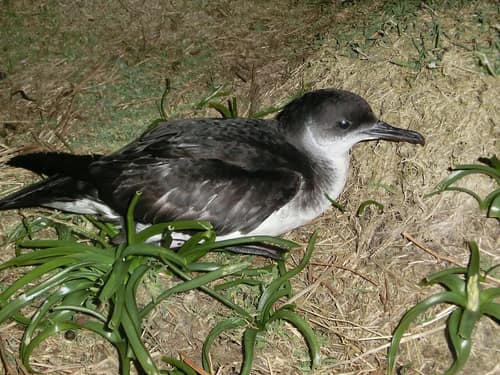
Close Relative Martin Reith / CC BY-SA 3.0 · cc-by-sa
Help improve the field guideSomething wrong?
Checking your Fauna account…Report a name, category, or profile issue for review.