
Bird · GBIF taxon 2481447
Chatham Petrel
Pterodroma axillarisAlso known as Ranguru, Chatham Islands Petrel
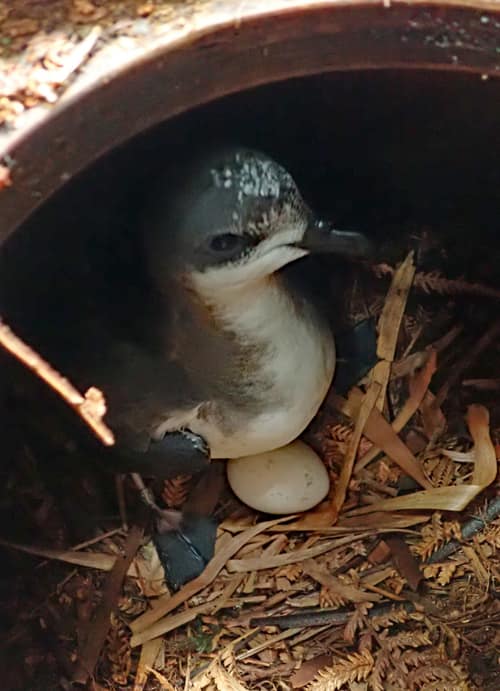
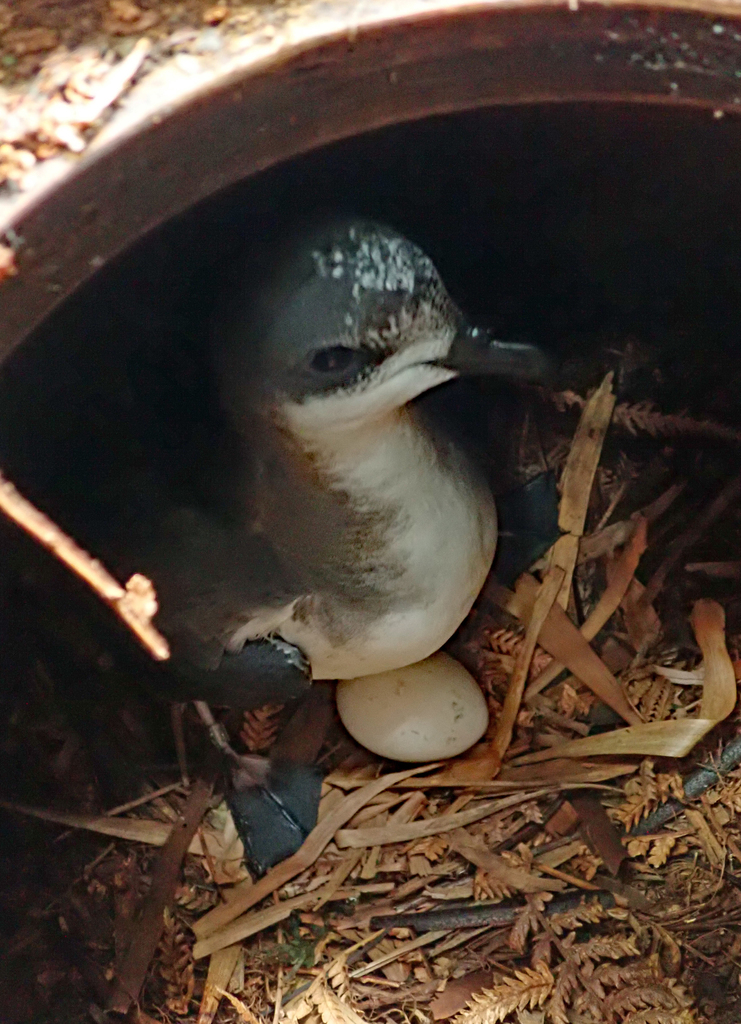
Chatham petrels spend most of their lives skimming the open South Pacific, returning to land only under cover of darkness to breed in underground burrows. Nesting colonies face intense competition for breeding chambers from aggressive broad-billed prions, driving intensive management such as artificial nest boxes and chick translocations. A distinct dark diagonal bar across the underwing easily sets this ocean wanderer apart from other grey-and-white petrels.
PelagicSeabirdBurrow-Nesting
—observations
—countries
—peak records
VulnerableConservation statusIUCN Red List categoriesLCNTVUENCREWEXVulnerableRed List categories, explained →
Diet & prey
- Squid
- Small Fish
- Amphipods
Predators
- Brown Skua
- Feral Cats
- Rats
ThreatsNest site competition with prions, invasive predators, and ocean climate change
HabitatsOpen ocean waters and temperate offshore island forests
Life span15–25 years
Size / weightNot available
Classification
- FamilyProcellariidae
- SpeciesPterodroma axillaris
Range data is not available yet.
Interaction riskLow
- Low
- Moderate
- High
- Very high
- Why interaction risk is low
- Safe to observe at a respectful distance during non-breeding pelagic sightings.
- What to notice
- Recognizable by its grey-and-white plumage, grey cap, and bold dark underwing bar pattern.
- Support conservation
- Never enter protected island breeding reserves without official authorization and stick to marked walkways.
Responsible observation
- Oceanic Viewing: Look for them along offshore pelagic birding trips in the South Pacific.
- Burrow Protection: Avoid walking off trail on island sanctuaries to prevent crushing fragile underground nests.
- Night Safety: Use shielded red lights near coastal nesting habitats to avoid disorienting nocturnal flyers.
 Image unavailable
Nest Competitor 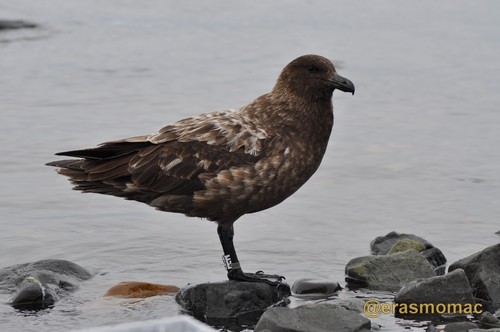
Predator (c) Erasmo Macaya Horta, some rights reserved (CC BY), uploaded by Erasmo Macaya Horta · cc-byClose Relative Close Relative
Help improve the field guideSomething wrong?
Checking your Fauna account…Report a name, category, or profile issue for review.