
Bird · GBIF taxon 2481171
Armenian Gull
Larus armenicusAlso known as Armenian Herring Gull
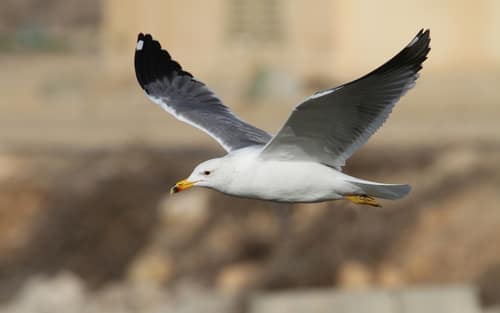
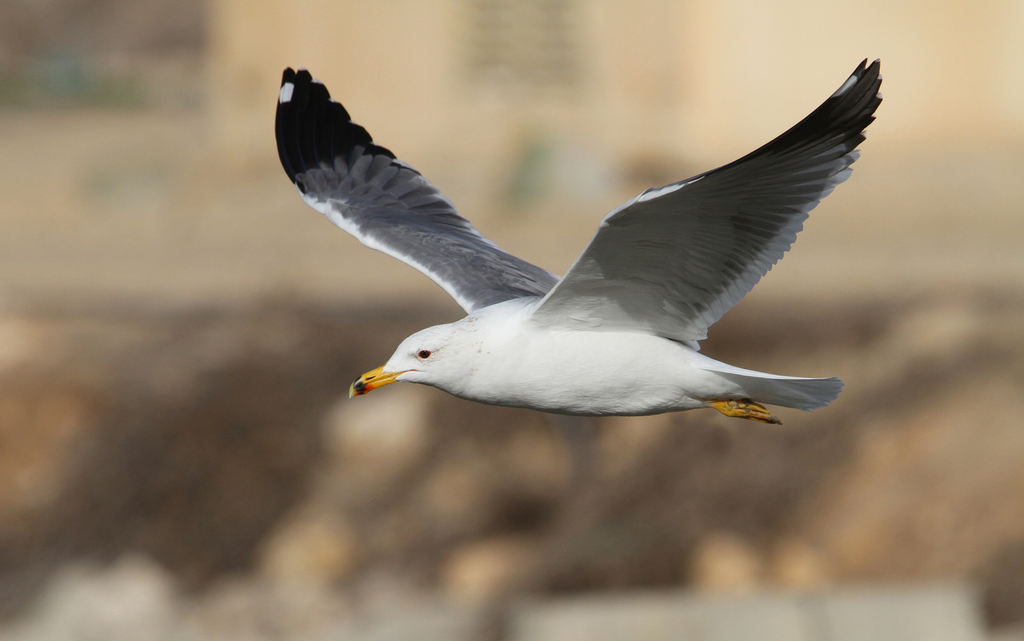
Armenian gulls are distinguished by their dark brown eyes, grey upperparts, and a striking black band wrapping across the yellow bill tip. Breeding primarily on high-altitude mountain lakes in the Caucasus, they nest in dense colonies on islands and marshy shores. During winter, large numbers migrate south toward the coastlines and reservoirs of the Middle East and Eastern Mediterranean.
SeabirdMigratorySocial
 1 / 7
1 / 7—observations
—countries
—peak records
Least ConcernConservation statusIUCN Red List categoriesLCNTVUENCREWEXLeast ConcernRed List categories, explained →
Diet & prey
- Fish
- Aquatic Invertebrates
- Small Rodents
Predators
- Golden Eagle
- Red Fox
- Eurasian Eagle-Owl
ThreatsWater level fluctuations, pollution, habitat degradation at breeding sites
HabitatsMountain lakes, wetlands, coastal bays, reservoirs
Life span15–20 years
Size / weightNot available
Classification
- FamilyLaridae
- SpeciesLarus armenicus
Range data is not available yet.
Interaction riskLow
- Low
- Moderate
- High
- Very high
- Why interaction risk is low
- Safe to observe at a distance; nesting birds may peck or scratch if directly handled.
- What to notice
- Recognizable by dark eyes, deep yellow legs, and a black ring wrapping around the yellow bill tip.
- Support conservation
- Avoid boating near island nesting colonies between April and July to prevent egg orphaning chicks.
Responsible observation
- Observation Distance: Maintain a respectful distance from island colonies during the spring nesting season.
- Field Identification: Check for dark eyes and a complete black ring near the bill tip to separate from look-alikes.
- Seasonal Scanning: Look for large wintering flocks along the coastlines of Israel, Turkey, and Egypt.
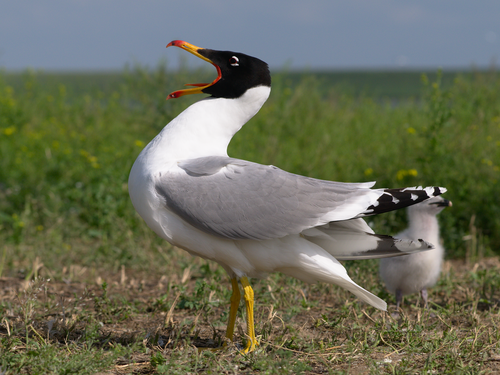
Frequent Companion Dmitry Mikhirev / CC BY-SA 4.0 · cc-by-sa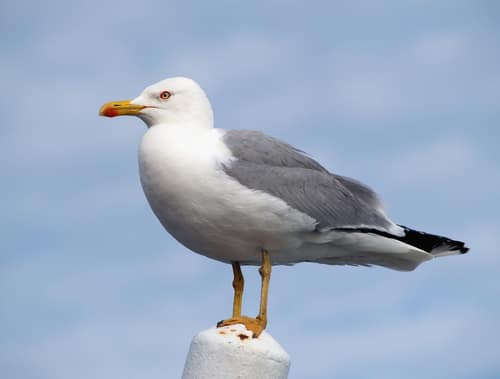
Close Relative (c) Jörg Hempel, some rights reserved (CC BY-SA), uploaded by Jörg Hempel · cc-by-sa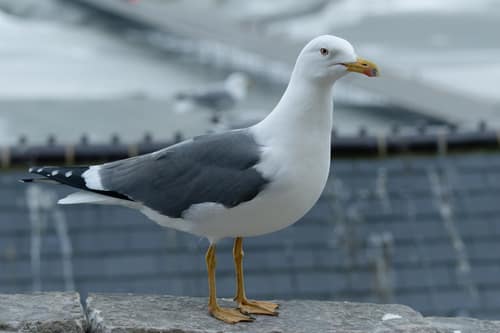
Close Relative (c) Donald Davesne, some rights reserved (CC BY), uploaded by Donald Davesne · cc-by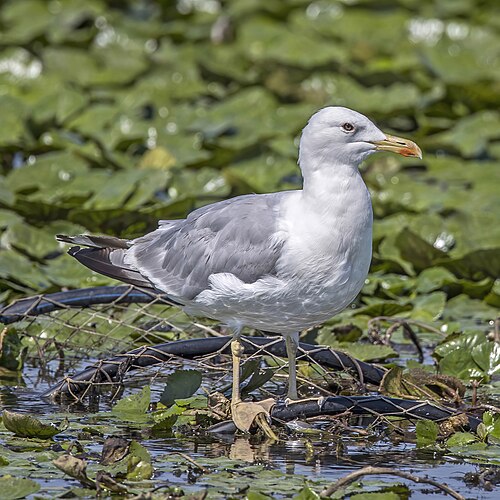
Close Relative Charles J. Sharp / CC BY-SA 4.0 · cc-by-sa
Help improve the field guideSomething wrong?
Checking your Fauna account…Report a name, category, or profile issue for review.