
Bird
Chimango Caracara
Milvago chimangoAlso known as Chimango, Tiuque
Chimango caracaras are adaptable, crow-sized raptors that stride confidently across open grasslands, freshly plowed fields, and city parks in search of beetles, worms, and scraps. Rather than relying on high-speed aerial dives, they patrol low over the ground, follow livestock to catch flushed insects, and gather in noisy communal roosts at dusk. Their raspy, descending screeches are a familiar sound throughout southern South America, and they readily mob larger hawks that enter their territory.
OpportunisticDiurnalVocal
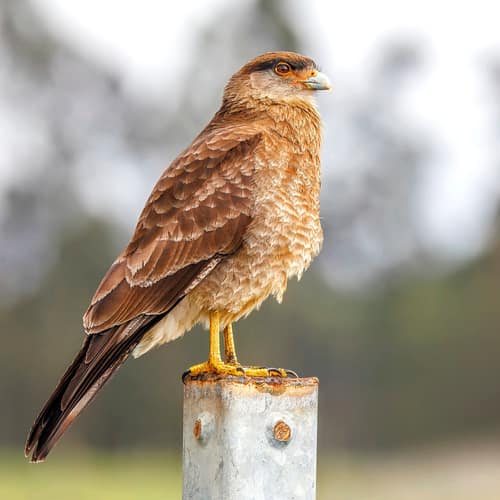
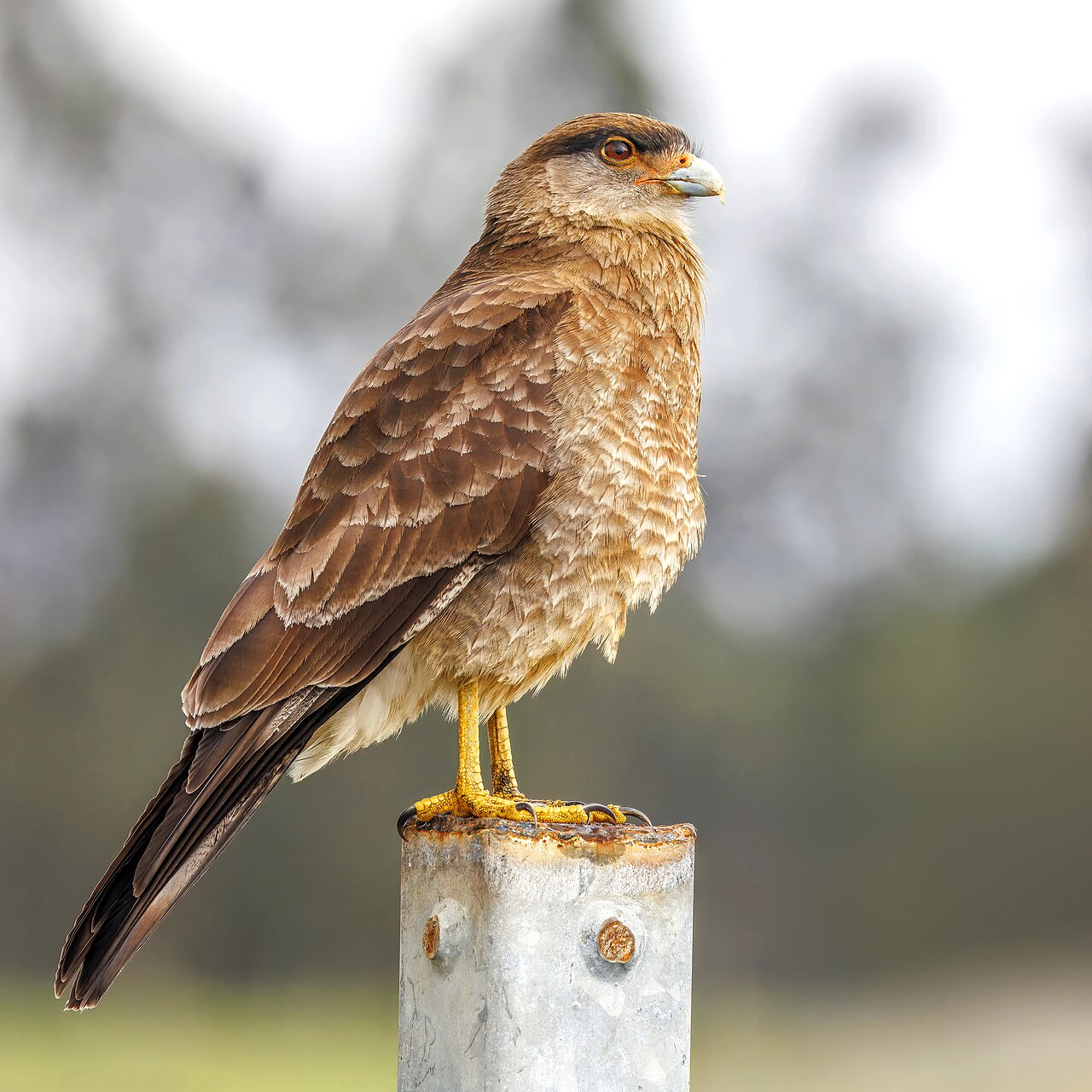
—observations
—countries
—peak records
Least ConcernConservation statusIUCN Red List categoriesLCNTVUENCREWEXLeast ConcernRed List categories, explained →
Diet & preyBeetles and Grasshoppers, Earthworms, Carrion
Predators
- Great Horned Owl
- Black-chested Buzzard-Eagle
- Culpeo Fox
ThreatsMinimal major threats; occasional roadkill and localized persecution
HabitatsOpen grasslands, farmlands, scrub, coastal areas, wetlands, and urban parks
Life span10–15 years in the wild
Classification
- FamilyFalconidae
- SpeciesMilvago chimango
Range data is not available yet.
Interaction riskLow
- Low
- Moderate
- High
- Very high
- Why interaction risk is low
- Safe to observe at a normal distance; keep food covered in parks as bold birds readily snatch scraps.
Responsible observation
- Listen for Calls: Track its raspy, descending screech across open fields, fence posts, and city parks.
- Watch Ground Foraging: Look for birds walking briskly through short grass or behind plows to snap up exposed invertebrates.
- Secure Picnic Food: Keep snacks covered in busy parks and beaches where habituated birds approach closely.
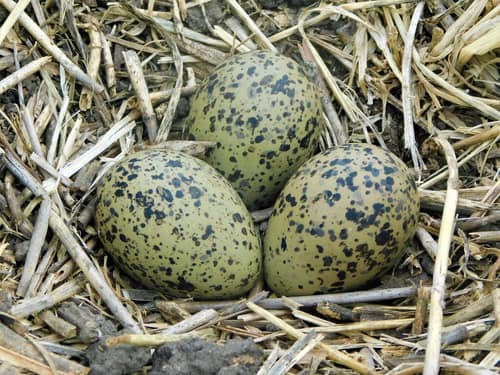
Frequent Companion no rights reserved, uploaded by Sebastián Gómez Barboza Silveira · cc0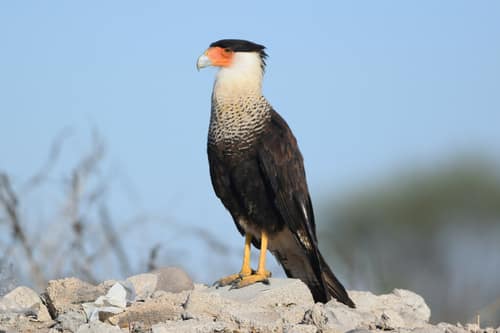
Same Family (c) Juan Cruzado Cortés, some rights reserved (CC BY), uploaded by Juan Cruzado Cortés · cc-by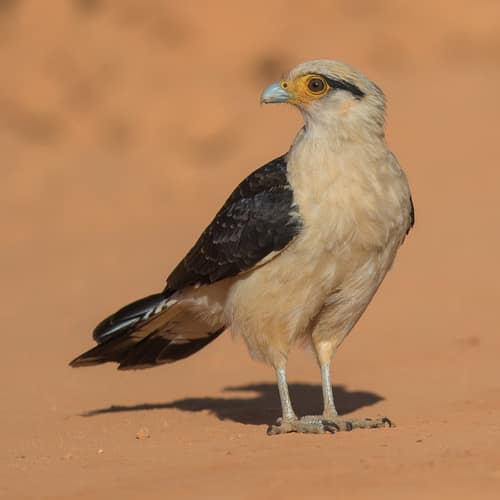
Same Family Andreas Trepte / CC BY-SA 4.0 · cc-by-sa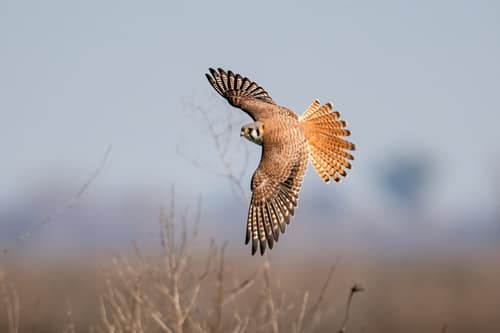
Same Family (c) Jonathan Eisen, some rights reserved (CC BY), uploaded by Jonathan Eisen · cc-by
Help improve the field guideSomething wrong?
Checking your Fauna account…Report a name, category, or profile issue for review.