
Bird · GBIF taxon 2481047
Peregrine Falcon
Falco peregrinusAlso known as Duck Hawk, Black-cheeked Falcon, Peregrine
Renowned as the fastest creature on Earth, Peregrine Falcons dive at speeds over 300 kilometers per hour to strike prey mid-air with incredible precision. These formidable raptors nest on high cliff ledges and urban skyscrapers, taking advantage of elevated perches to scout for feral pigeons, ducks, and shorebirds. Once decimated by organochlorine pesticides like DDT, successful conservation efforts and captive breeding programs have sparked an extraordinary global recovery.
RaptorFastest AnimalUrban Wildlife
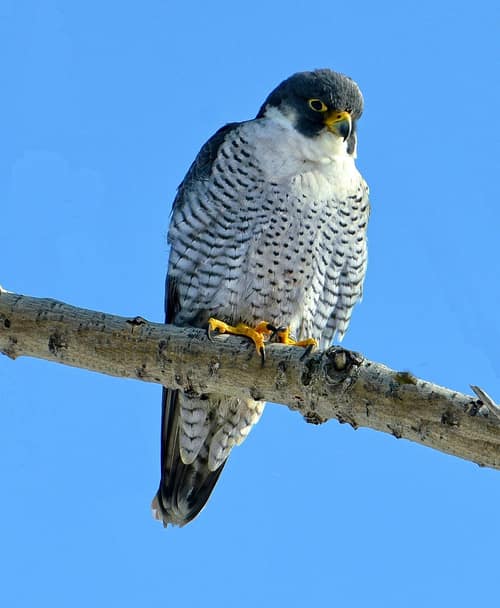
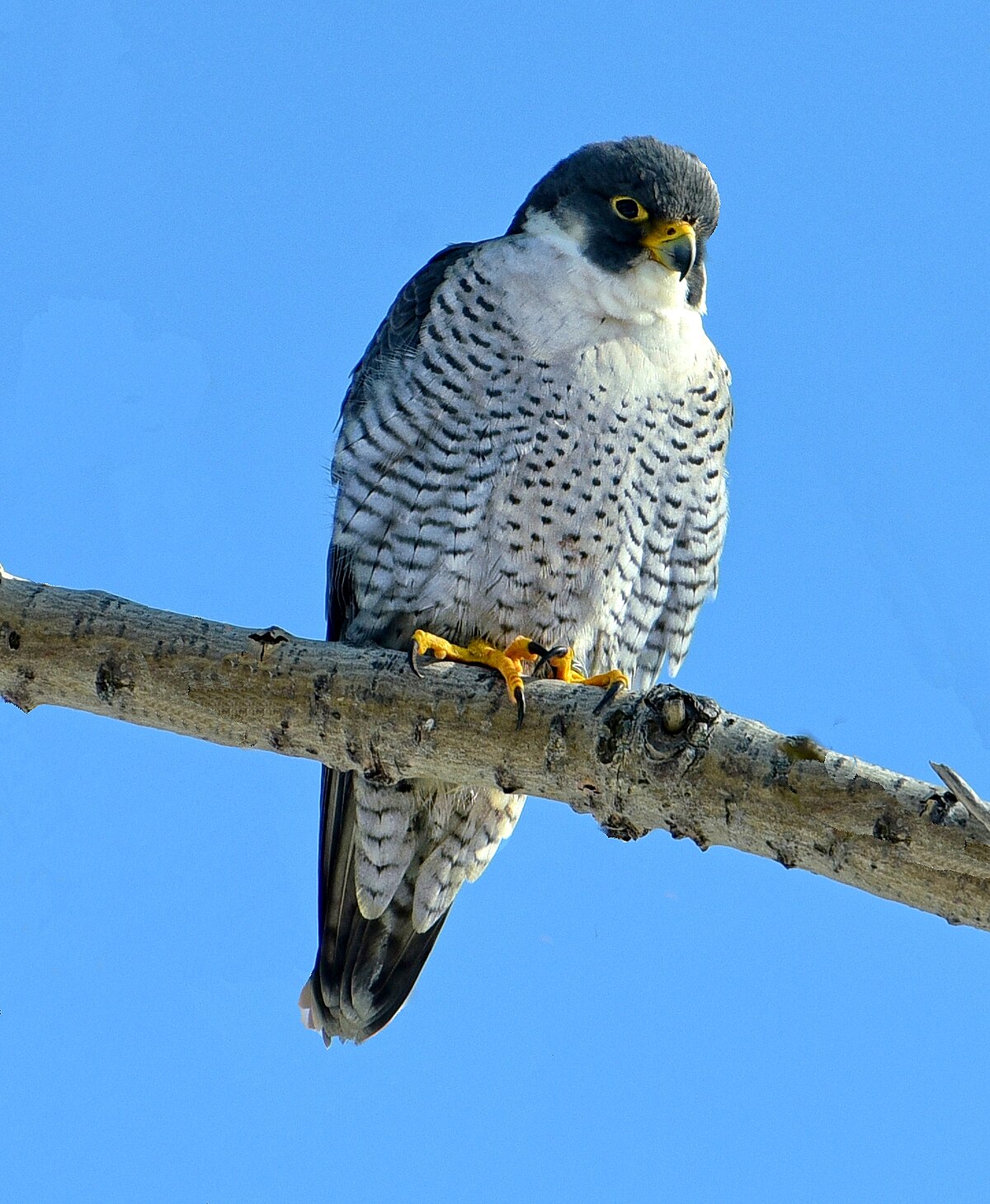
—observations
—countries
—peak records
Least ConcernConservation statusIUCN Red List categoriesLCNTVUENCREWEXLeast ConcernRed List categories, explained →
Diet & prey
- Pigeons
- Ducks
- Shorebirds
Predators
- Great Horned Owl
- Golden Eagle
- Gyrfalcon
ThreatsWindow strikes, nest disturbance, secondary poisoning
HabitatsCliffs, coastal bluffs, river valleys, tundra, and urban centers
Life span10–15 years in the wild
Size / weightNot available
Classification
- FamilyFalconidae
- SpeciesFalco peregrinus
Range data is not available yet.
Interaction riskLow
- Low
- Moderate
- High
- Very high
- Why interaction risk is low
- Nesting birds defensively dive-bomb intruders; maintain a safe distance from active nest ledges.
- What to notice
- Look for adults maintaining persistent aerial watch near prominent cliff faces or city ledges.
- Support conservation
- Keep at least 200 meters away from active nests and avoid making loud noises near breeding sites.
Responsible observation
- Spotting Ledges: Look along high cliff faces, radio towers, and tall building ledges where they roost.
- Binocular Distance: Use optics to observe nest sites without causing stress or nest defense.
- Watch for Stoops: Listen for alarm calls of pigeons or shorebirds signaling an incoming dive.
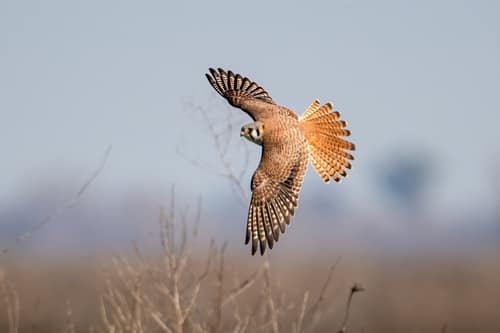
Close Relative (c) Jonathan Eisen, some rights reserved (CC BY), uploaded by Jonathan Eisen · cc-by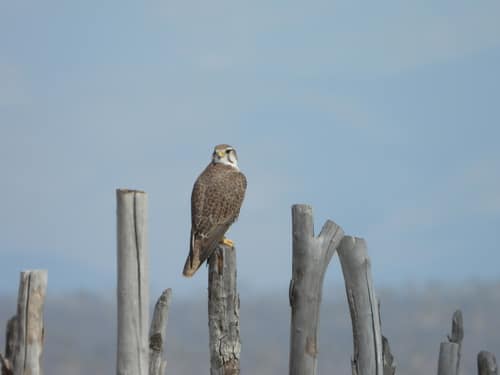
Close Relative (c) Aarón Sandoval, some rights reserved (CC BY-SA) · cc-by-sa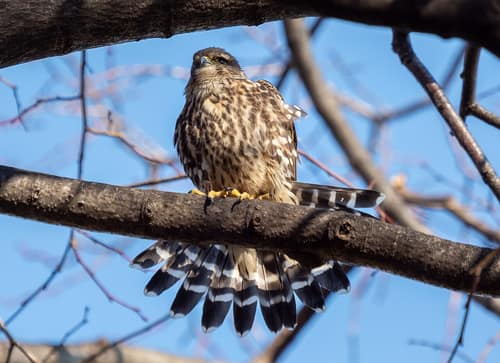
Close Relative Rhododendrites / CC BY-SA 4.0 · cc-by-sa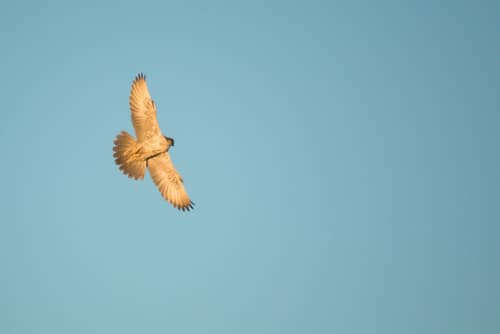
Close Relative (c) psweet, some rights reserved (CC BY-SA), uploaded by psweet · cc-by-sa
Help improve the field guideSomething wrong?
Checking your Fauna account…Report a name, category, or profile issue for review.