
Bird · GBIF taxon 2480927
Goliath Heron
Ardea goliathAlso known as Giant Heron
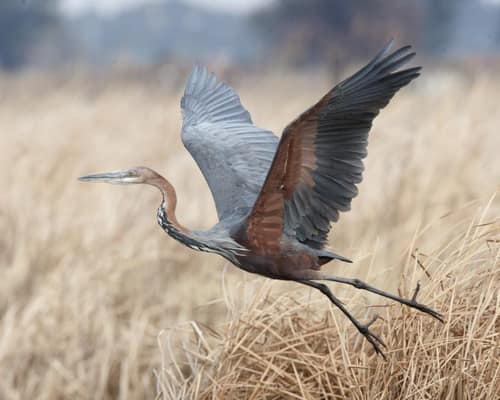
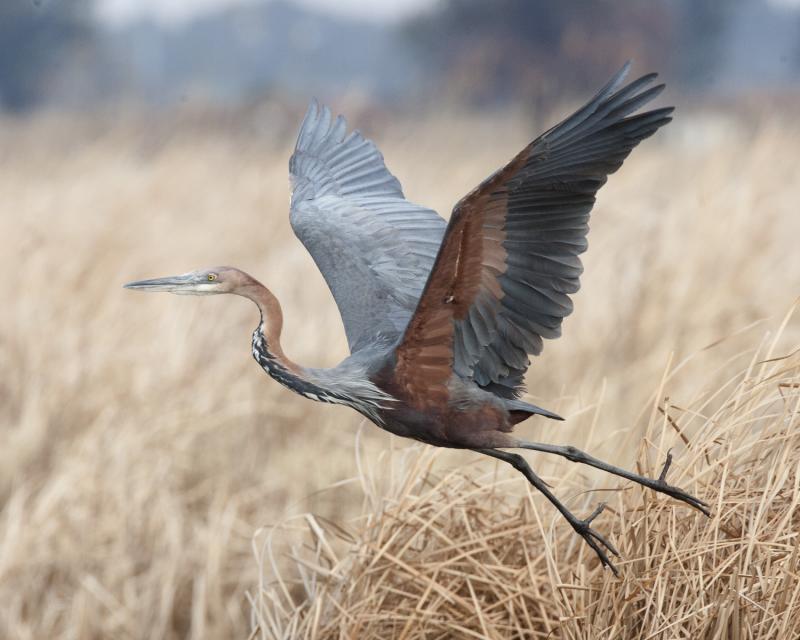
Standing as the world's tallest heron, the Goliath Heron stalks shallow lakes, riverbanks, and coastal estuaries with deliberate, slow steps. It impales large fish using a heavy, dagger-like bill, often standing motionless for hours until prey surfaces. Despite its impressive size, this solitary wader maintains low population densities and defends vast feeding territories from rivals.
Wading BirdSolitaryWetland Specialist
—observations
—countries
—peak records
Least ConcernConservation statusIUCN Red List categoriesLCNTVUENCREWEXLeast ConcernRed List categories, explained →
Diet & prey
- Tilapia
- African Catfish
- Frogs
Predators
- Nile Crocodile
- African Fish Eagle
ThreatsWetland degradation, dam construction, human disturbance
HabitatsLakes, rivers, swamps, mangroves, estuaries
Life span15–22 years
Size / weightNot available
Classification
- OrderPelecaniformes
- FamilyArdeidae
- GenusArdea
- SpeciesArdea goliath
Range data is not available yet.
Interaction riskLow
- Low
- Moderate
- High
- Very high
- Why interaction risk is low
- Possesses a powerful, dagger-like bill; observe from a distance and avoid cornering the bird.
- Why it is dangerous
- Features a massive, razor-sharp bill capable of delivering deep puncture wounds if the bird feels trapped or threatened.
- How to recognize a risky encounter
- Recognizable by its immense stature exceeding 1.4 meters, chestnut neck, and slate-grey wings.
- What to do
- Observe from a safe distance using a scope or telephoto lens; never attempt to corner or restrain this bird.
Responsible observation
- Patience at Shorelines: Scan open shallow waters, reed beds, and river edges where this giant wader stands motionless for long periods while hunting.
- Keep Distance: Maintain a respectful distance of at least 50 meters to prevent flushing the bird or disturbing its energy-intensive foraging.
- Listen for Calls: Watch for low, booming bark-like calls during territorial displays along river banks.
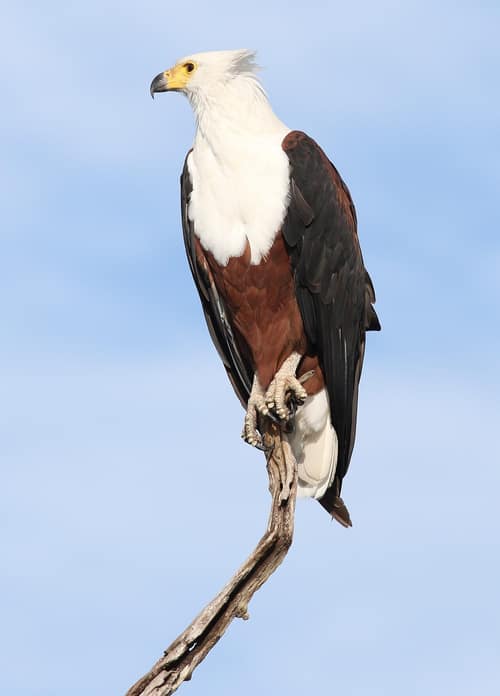
Competitor Derek Keats from Johannesburg, South Africa / CC BY 2.0 · cc-by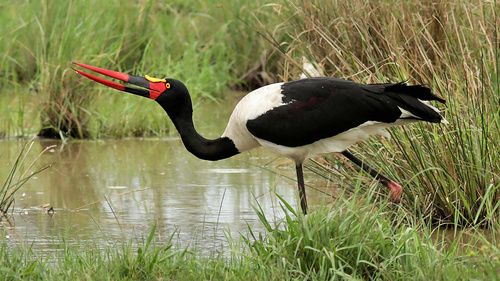
Frequent Companion (c) Wynand Uys, some rights reserved (CC BY), uploaded by Wynand Uys · cc-by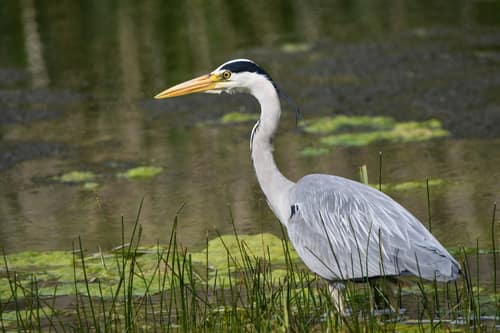
Close Relative (c) Frank Sengpiel, some rights reserved (CC BY), uploaded by Frank Sengpiel · cc-by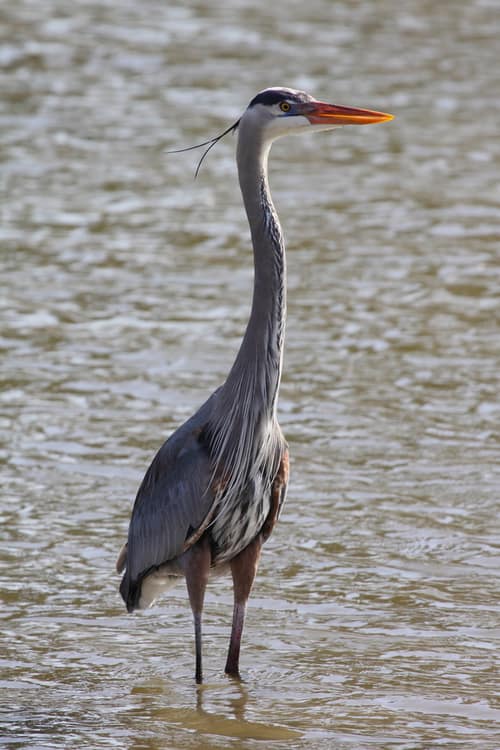
Close Relative (c) Basar, some rights reserved (CC BY-SA) · cc-by-sa
Keep collecting in Fauna
Found in Collections
Ecosystem chain
Wetland Territory
Goliath Heron is found in this collection. Identify it in Fauna to fill this slot and continue your progress.
—/12
Help improve the field guideSomething wrong?
Checking your Fauna account…Report a name, category, or profile issue for review.