
Bird · GBIF taxon 2480910
Great Bittern
Botaurus stellarisAlso known as Eurasian Bittern, Northern Bittern
Great bitterns are masters of camouflage, pointing their long bills skyward and swaying gently to mimic windblown reed stalks when threatened. Their far-reaching, foghorn-like booming calls echo across freshwater marshes during spring courtship, revealing birds that otherwise remain completely hidden. Highly specialized hunters, they stalk along shallow water channels using cryptically streaked golden-brown plumage to surprise prey.
CrypticSolitaryWetland
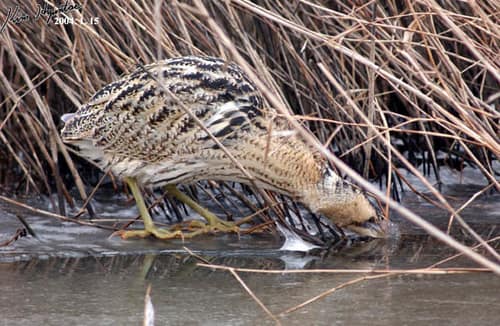
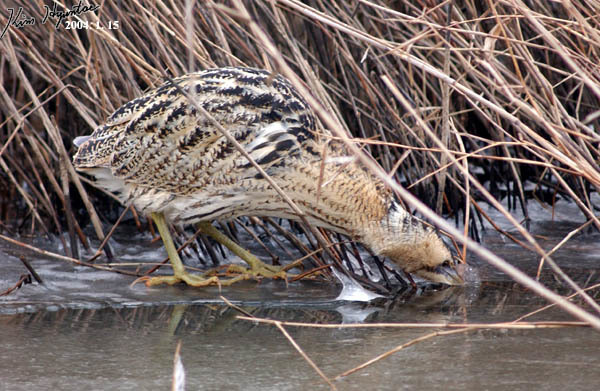 1 / 7
1 / 7—observations
—countries
—peak records
Least ConcernConservation statusIUCN Red List categoriesLCNTVUENCREWEXLeast ConcernRed List categories, explained →
Diet & prey
- Eels and small fish
- Frogs and newts
- Voles and water mice
Predators
- Red Fox
- Eurasian Marsh Harrier
- Eurasian Otter
ThreatsWetland drainage, habitat degradation, water pollution, nest disturbance
HabitatsReedbeds, marshes, wet meadows, freshwater wetlands
Life span10–15 years
Size / weightNot available
Classification
- FamilyArdeidae
- SpeciesBotaurus stellaris
Range data is not available yet.
Interaction riskLow
- Low
- Moderate
- High
- Very high
- Why interaction risk is low
- Capable of sharp bill jabs if cornered or handled; observe quietly from boardwalks or hides.
- What to notice
- Mottled golden-brown plumage with heavy dark streaking and a thick yellowish bill.
- Support conservation
- Remain on designated paths and viewing hides, avoiding loud noises or entering reedbeds during breeding season.
Responsible observation
- Listen in Spring: Male booming calls carry over two kilometers during early morning spring courtship.
- Scan Reed Edges: Watch quiet water channels at dawn or dusk when birds step into view to hunt.
- Look for Posturing: Search for a pointed skyward posture when the bird attempts to blend into dry vegetation.
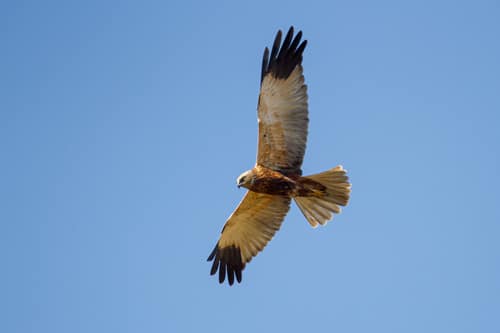
Predator (c) Artem Kuznetsov, some rights reserved (CC BY), uploaded by Artem Kuznetsov · cc-by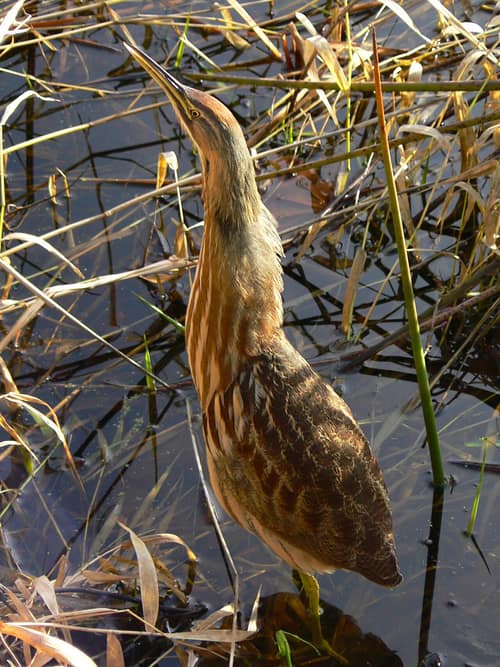
Close Relative Walter Siegmund / CC BY 2.5 · cc-by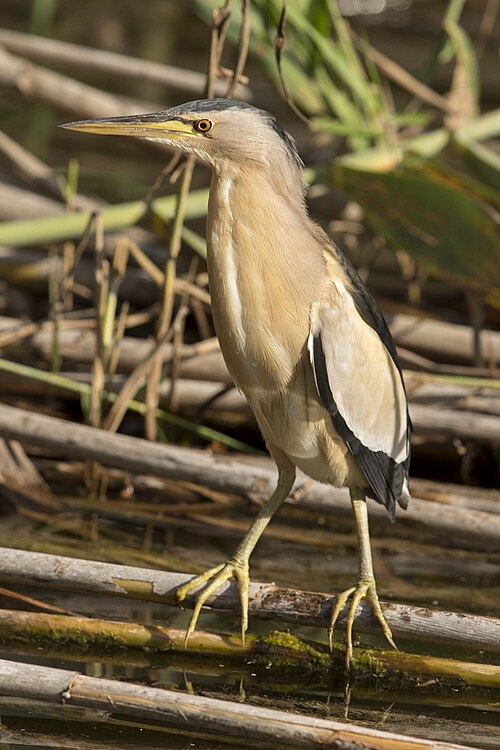
Close Relative Andreas Trepte / CC BY-SA 4.0 · cc-by-sa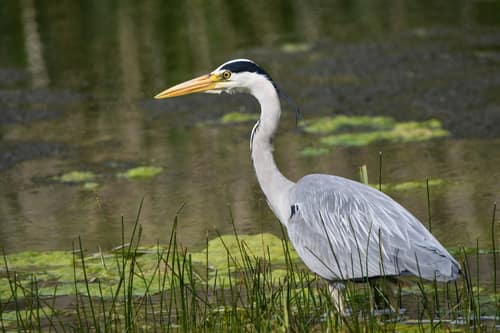
Family Member (c) Frank Sengpiel, some rights reserved (CC BY), uploaded by Frank Sengpiel · cc-by
Help improve the field guideSomething wrong?
Checking your Fauna account…Report a name, category, or profile issue for review.