
Bird · GBIF taxon 2480871
Black Bittern
Dupetor flavicollisAlso known as Yellow-necked Bittern
Black bitterns are secretive, slaty-black herons distinguished by bold yellow stripes running down the sides of their throat and neck. Active primarily at dawn, dusk, and during cloudy days, they creep silently through dense mangroves, reed beds, and marshy riverbanks searching for aquatic prey. When startled, they instantly freeze with their bill pointed vertically to blend into surrounding reeds.
NocturnalWetlandSecretive
—observations
—countries
—peak records
Least ConcernConservation statusIUCN Red List categoriesLCNTVUENCREWEXLeast ConcernRed List categories, explained →
Diet & prey
- Small fish
- Frogs
- Aquatic insects
Predators
- Raptors
- Large snakes
- Monitor lizards
ThreatsWetland drainage, habitat destruction, water pollution
HabitatsFreshwater marshes, reed beds, mangroves, swamp forests
Life span10–15 years
Size / weightNot available
Classification
- FamilyArdeidae
- SpeciesDupetor flavicollis
Range data is not available yet.
Interaction riskLow
- Low
- Moderate
- High
- Very high
- Why interaction risk is low
- Safe to observe at a normal distance.
- What to notice
- Look for slaty-black upperparts combined with vibrant yellow neck stripes.
- Support conservation
- Observe from established trails or hides without disturbing marshland vegetation.
Responsible observation
- Timing matters: Scan water margins during dusk or dawn when birds emerge to feed.
- Listen closely: Listen for deep, resonant booming calls coming from dense marsh vegetation.
- Maintain distance: Avoid penetrating thick reed beds to prevent flushing nesting birds.
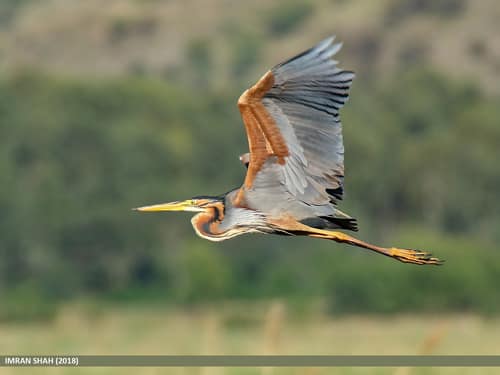
Frequent Companion (c) Imran Shah, some rights reserved (CC BY-SA) · cc-by-sa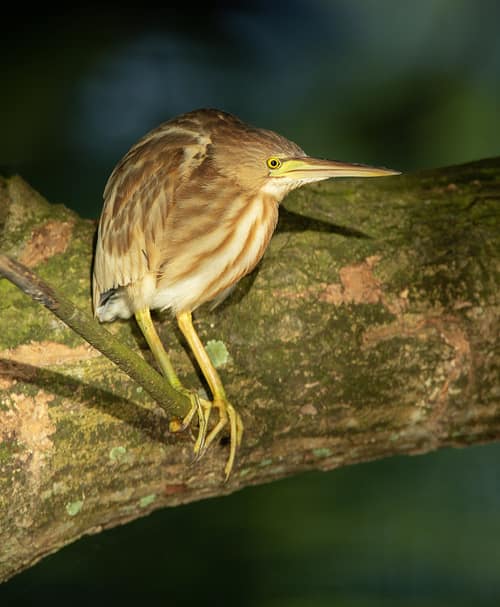
Close Relative JJ Harrison (https://tiny.jjharrison.com.au/t/N3r5ijIDM5bq4WWU) / CC BY-SA 4.0 · cc-by-sa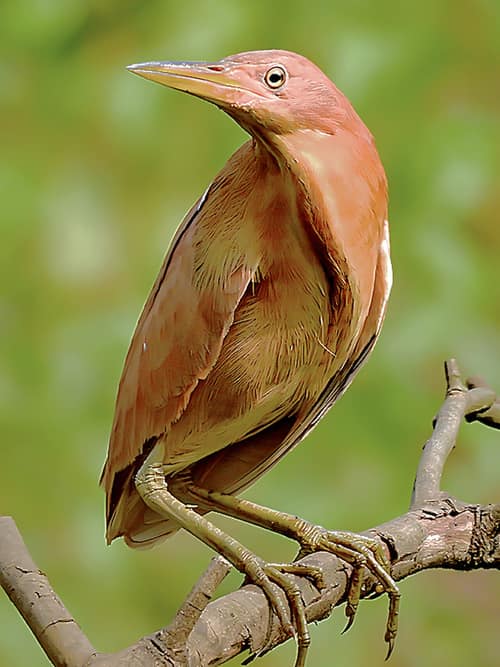
Close Relative Shantanu Kuveskar / CC BY-SA 4.0 · cc-by-sa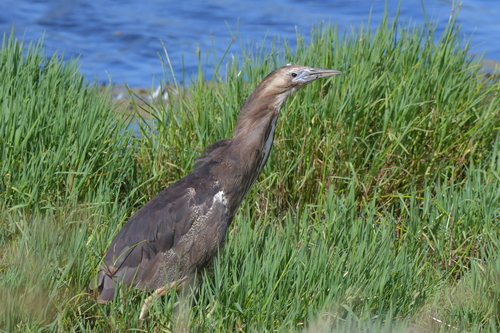
Regional Relative (c) Christopher Stephens, some rights reserved (CC BY-SA), uploaded by Christopher Stephens · cc-by-sa
Help improve the field guideSomething wrong?
Checking your Fauna account…Report a name, category, or profile issue for review.