
Bird
Crested Ibis
Nipponia nipponAlso known as Japanese Crested Ibis, Asian Crested Ibis, Toki
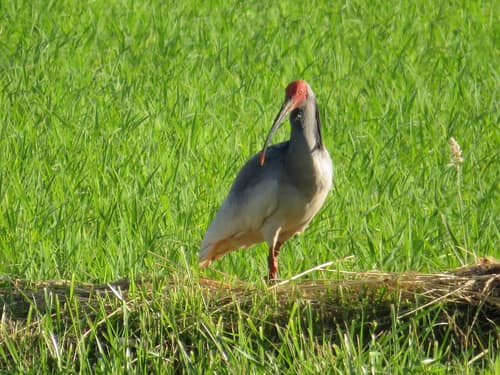
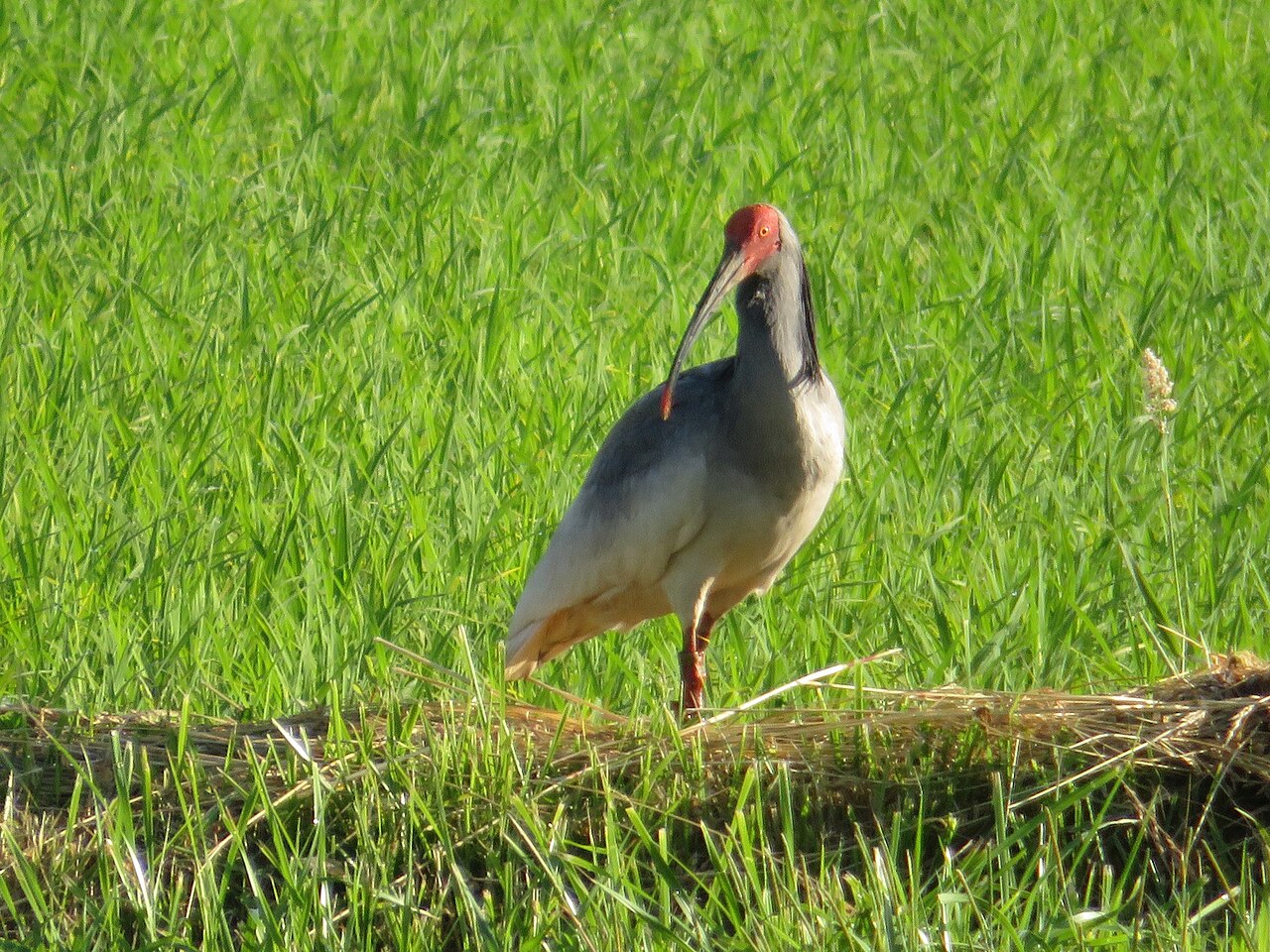
Crested ibises display brilliant salmon-pink underwings in flight, contrasting with their white plumage and bare red facial skin. During the spring breeding season, adults daub a dark gray skin secretion across their neck and back to blend seamlessly into forest canopy nests. Intensive conservation and reintroduction programs in China and Japan saved this wetland bird from the brink of extinction.
Wading BirdRare
—observations
—countries
—peak records
EndangeredConservation statusIUCN Red List categoriesLCNTVUENCREWEXEndangeredRed List categories, explained →
Diet & preyLoaches, Frogs, Aquatic Insects
Predators
- Snakes
- Raptors
- Mustelids
ThreatsHabitat loss, agricultural chemical use, low genetic diversity, nesting disturbance
HabitatsFreshwater wetlands, flooded rice paddies, river valleys, temperate mountain forests
Life span15–25 years
Classification
- FamilyThreskiornithidae
- SpeciesNipponia nippon
Range data is not available yet.
Interaction riskLow
- Low
- Moderate
- High
- Very high
- Why interaction risk is low
- Capable of pecking defensively if cornered or handled; observe from a safe distance.
- What to notice
- Look for a long decurved bill, bare red face skin, long nape crest feathers, and pink wing flashes.
- Support conservation
- Observe quietly from established viewing blinds and never approach nesting sites or roosts.
Responsible observation
- Observation Distance: Maintain a distance of at least 100 meters, especially near nesting trees during spring.
- Habitat Courtesy: Stick to marked paths along rice paddies to avoid disturbing foraging birds.
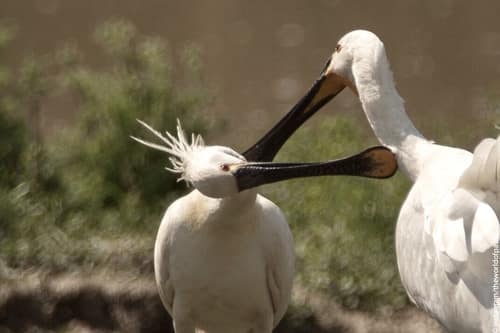
Family Member (c) Paolo, some rights reserved (CC BY), uploaded by Paolo · cc-by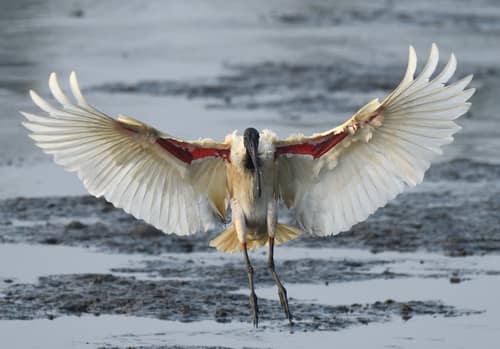
Regional Relative (c) sunnyjosef, some rights reserved (CC BY), uploaded by sunnyjosef · cc-by Image unavailable
Regional Relative
Help improve the field guideSomething wrong?
Checking your Fauna account…Report a name, category, or profile issue for review.