
Bird · GBIF taxon 2480801
Eurasian Spoonbill
Platalea leucorodiaAlso known as Common Spoonbill
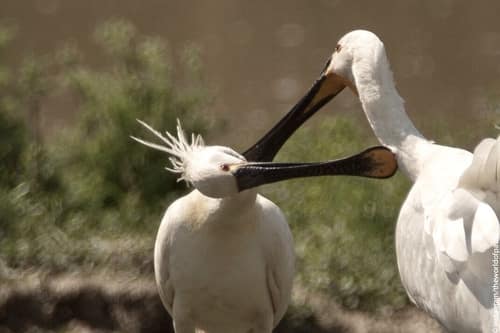
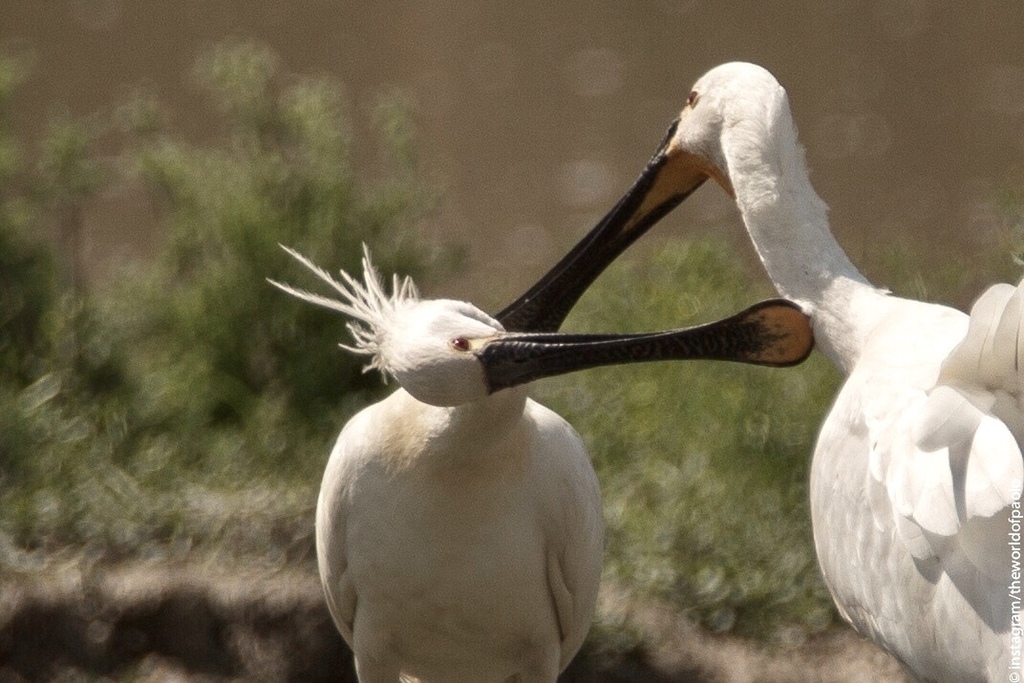
Eurasian spoonbills wade through shallow mudflats with their distinctive spatulate bills submerged, sweeping them side to side to catch small aquatic prey by touch. During the breeding season, adults grow a long shaggy crest at the back of the head and a delicate yellowish patch across the chest. Nesting in dense reedbeds or trees near coastal lagoons, these social birds raise their chicks in noisy communal colonies before migrating south for winter.
Wading BirdMigratoryWetland Species
—observations
—countries
—peak records
Least ConcernConservation statusIUCN Red List categoriesLCNTVUENCREWEXLeast ConcernRed List categories, explained →
Diet & prey
- Small Fish
- Aquatic Insects
- Crustaceans
Predators
- White-tailed Sea Eagle
- Red Fox
- Marsh Harrier
ThreatsHabitat loss, wetland drainage, pollution, human disturbance
HabitatsShallow wetlands, coastal lagoons, estuaries, marshes, flooded fields
Life span15–25 years
Size / weightNot available
Classification
- FamilyThreskiornithidae
- SpeciesPlatalea leucorodia
Range data is not available yet.
Interaction riskLow
- Low
- Moderate
- High
- Very high
- Why interaction risk is low
- Safe to observe at a normal distance.
- What to notice
- Recognized by bright white plumage, spatulate black bill with a yellow tip, and a shaggy yellow crest during the breeding season.
- Support conservation
- Avoid approaching nesting sites or roosting flocks; use binoculars or spotting scopes to observe from established hides or trails.
Responsible observation
- Observation: Scan shallow mudflats and reedbed margins during low tide or early morning hours.
- Disturbance: Keep a respectful distance near breeding colonies, as nesting birds spook easily.
- Identification: Look for their unique side to side bill sweeping motion while wading through water.
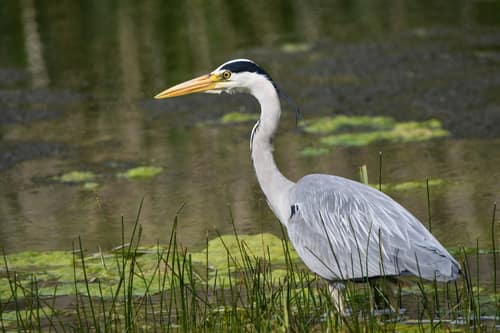
Wetland Neighbor (c) Frank Sengpiel, some rights reserved (CC BY), uploaded by Frank Sengpiel · cc-by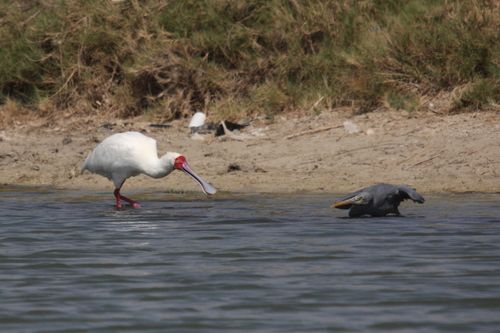
Close Relative (c) Christoph Moning, some rights reserved (CC BY) · cc-by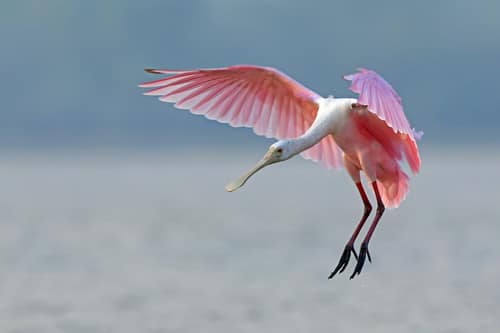
Close Relative (c) Nigel Voaden, some rights reserved (CC BY) · cc-by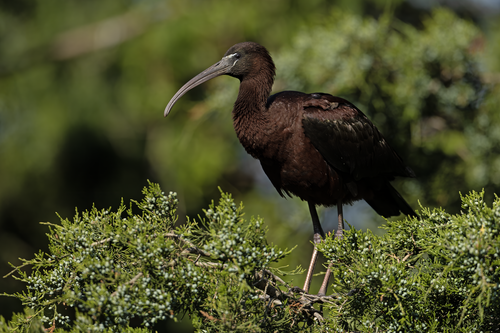
Family Kin Chuck Homler, Focus On Wildlife / CC BY-SA 4.0 · cc-by-sa
Help improve the field guideSomething wrong?
Checking your Fauna account…Report a name, category, or profile issue for review.