
Bird · GBIF taxon 2480799
Royal Spoonbill
Platalea regiaAlso known as Black-billed Spoonbill
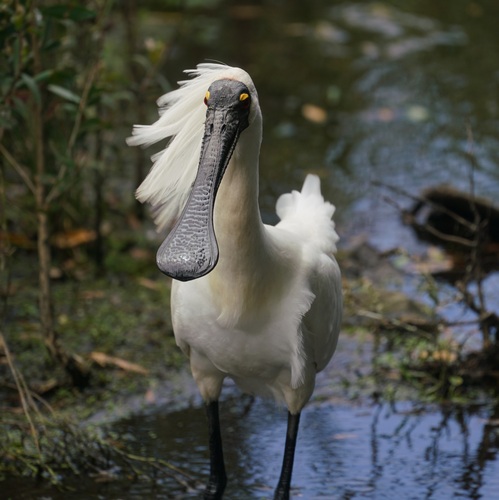
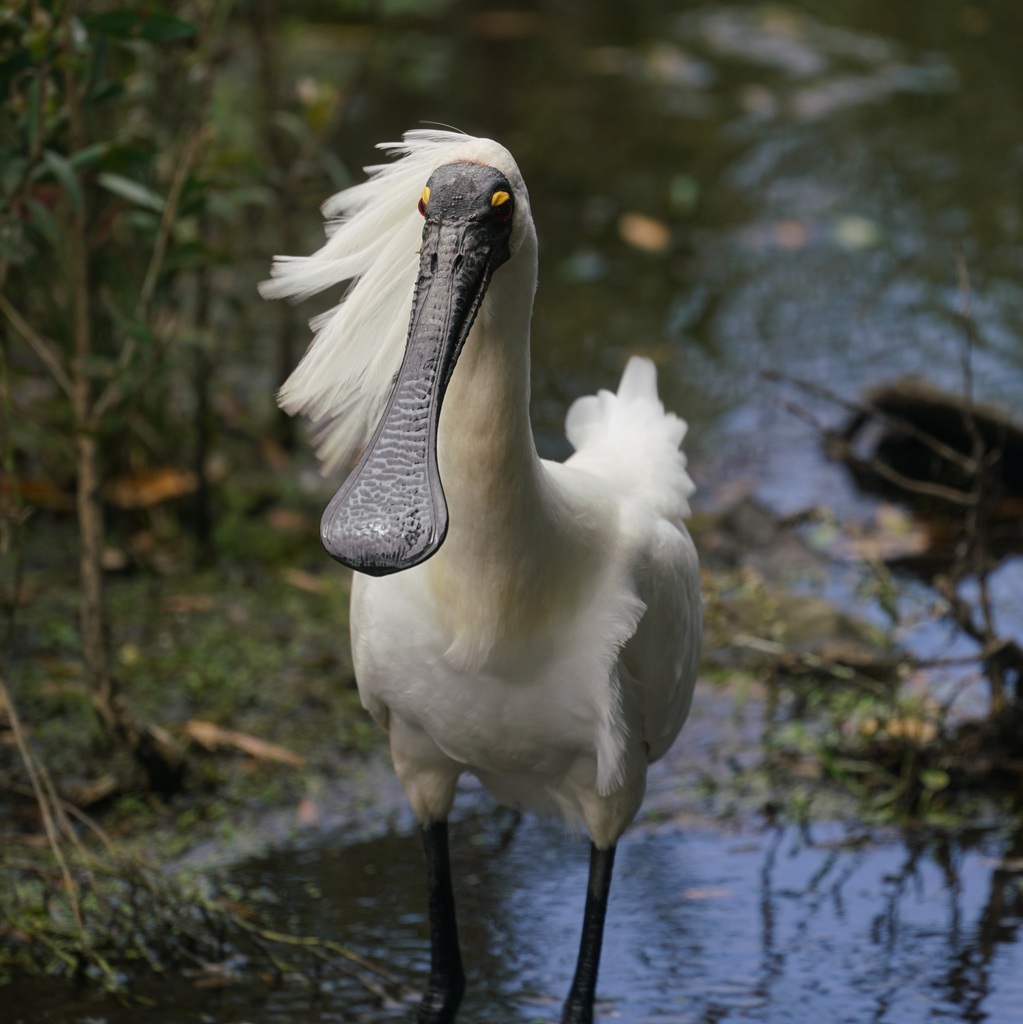
Royal spoonbills wade gracefully through shallow wetlands, sweeping their broad, spoon-shaped black bills from side to side to snap up hidden prey. During the breeding season, adults grow long white plumes on the back of their heads and develop bright yellow patches of bare skin above each eye. They nest high in trees or reedbeds near water, often forming mixed breeding colonies with ibises and egrets.
Wading BirdWetlandDistinctive Bill
—observations
—countries
—peak records
Least ConcernConservation statusIUCN Red List categoriesLCNTVUENCREWEXLeast ConcernRed List categories, explained →
Diet & prey
- Shrimp
- Small fish
- Aquatic insects
Predators
- Foxes
- Feral cats
- Sea eagles
ThreatsWetland degradation, water diversion, urban development
HabitatsIntertidal flats, estuaries, freshwater marshes, coastal lagoons
Life span10–15 years
Size / weightNot available
Classification
- FamilyThreskiornithidae
- SpeciesPlatalea regia
Range data is not available yet.
Interaction riskLow
- Low
- Moderate
- High
- Very high
- Why interaction risk is low
- Safe to observe at a normal distance.
Responsible observation
- Observing Feeding: Look along shallow water margins where birds sweep their bills side to side.
- Breeding Plumes: Watch for long facial plumes and yellow eye patches during the spring breeding season.
- Keep Distance: Maintain a respectful distance around nesting colonies to avoid flushing the birds.
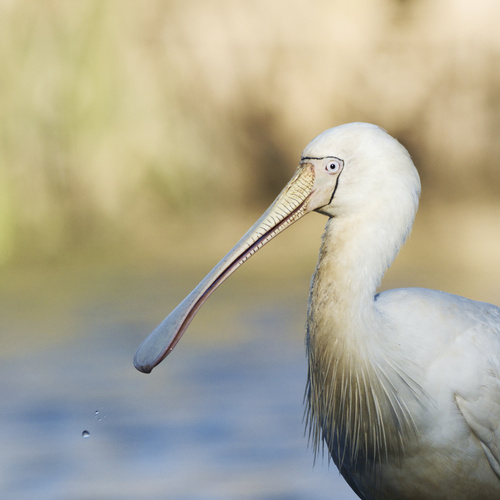
Close Relative (c) Thomas Jaeger, some rights reserved (CC BY) · cc-by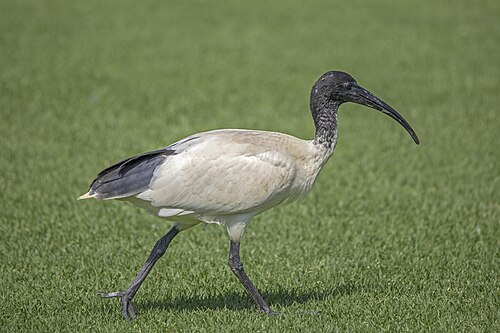
Family Member Charles J. Sharp / CC BY-SA 4.0 · cc-by-sa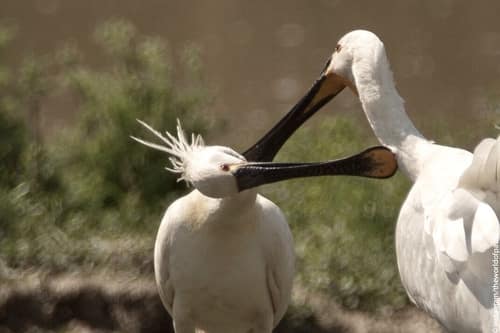
Close Relative (c) Paolo, some rights reserved (CC BY), uploaded by Paolo · cc-by
Help improve the field guideSomething wrong?
Checking your Fauna account…Report a name, category, or profile issue for review.