
Bird · GBIF taxon 2480770
Northern Bald Ibis
Geronticus eremitaAlso known as Hermit Ibis, Waldrapp
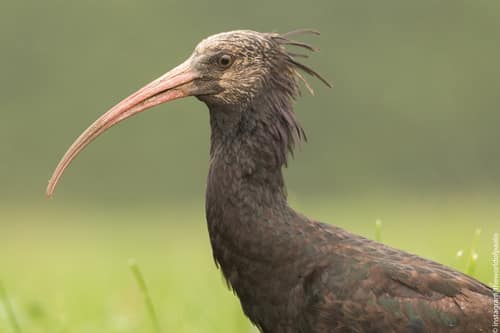
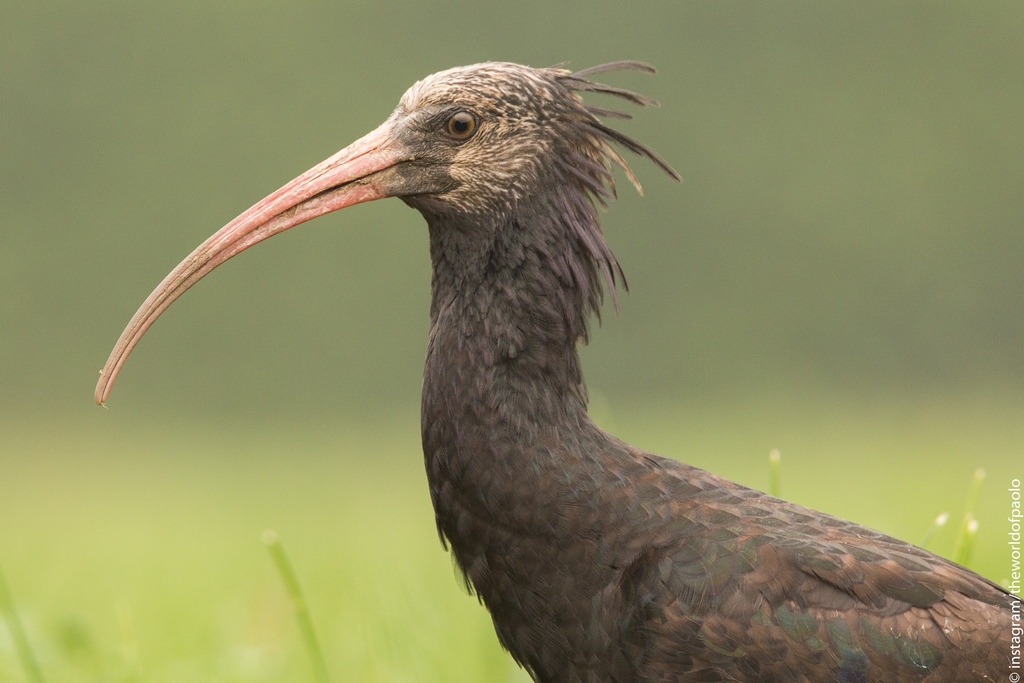
Northern bald ibises inhabit arid grasslands and cliff ledges, foraging on foot for beetles, lizards, and small prey rather than wading in water. Once widespread across Europe, North Africa, and the Middle East, wild populations suffered severe historic declines and now depend heavily on intensive protection and reintroduction programs. Breeding pairs form tight colonial communities, performing expressive greeting displays that involve head-bowing and throat-rumbling calls.
MigratoryCliff-Nesting
 1 / 7
1 / 7—observations
—countries
—peak records
EndangeredConservation statusIUCN Red List categoriesLCNTVUENCREWEXEndangeredRed List categories, explained →
Diet & prey
- Beetles
- Lizards
- Snails
Predators
- Eagles
- Ravens
- Ground predators
ThreatsHabitat loss, hunting, pesticide poisoning, power line collisions
HabitatsArid grasslands, semi-deserts, rocky mountain cliffs, coastal cliffs
Life span20–25 years
Size / weightNot available
Classification
- FamilyThreskiornithidae
- SpeciesGeronticus eremita
Range data is not available yet.
Interaction riskLow
- Low
- Moderate
- High
- Very high
- Why interaction risk is low
- Capable of delivering a sharp peck if cornered; keep a respectful distance.
- What to notice
- Identified by dark glossy plumage, a bare red face, a long curved red bill, and neck plumes.
- Support conservation
- Maintain distance from cliff breeding colonies and report sightings to conservation groups.
Responsible observation
- Cliff Scanning: Search steep cliff faces near dry foraging pastures using binoculars.
- Respect Nesting Sites: Keep a significant distance from breeding colonies to prevent dangerous nest abandonments.
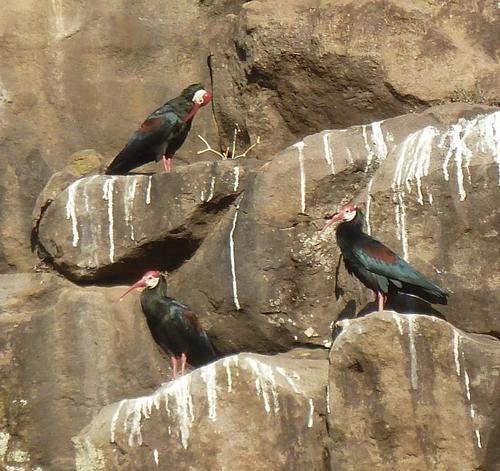
Close Relative (c) M Kriek, some rights reserved (CC BY-SA), uploaded by M Kriek · cc-by-sa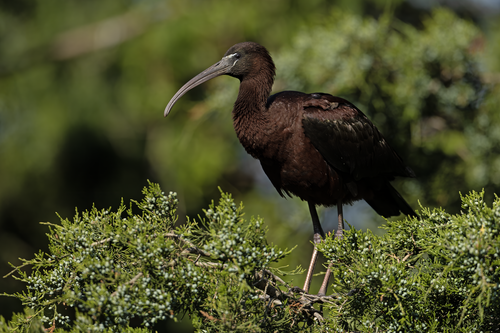
Family Kin Chuck Homler, Focus On Wildlife / CC BY-SA 4.0 · cc-by-sa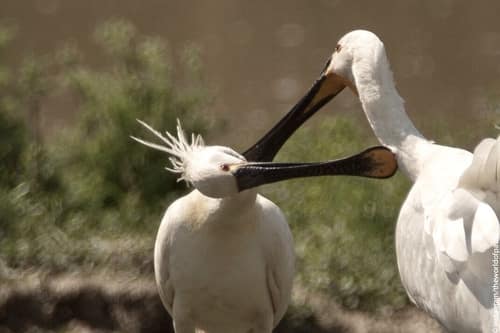
Family Kin (c) Paolo, some rights reserved (CC BY), uploaded by Paolo · cc-by
Help improve the field guideSomething wrong?
Checking your Fauna account…Report a name, category, or profile issue for review.