
Bird
Black-headed Ibis
Threskiornis melanocephalusAlso known as Oriental White Ibis, Indian White Ibis, Black-necked Ibis
Black-headed ibises sweep their slender, down-curved bills through murky shallows to detect prey by touch, often walking methodically alongside storks and egrets. Breeding adults develop delicate gray ornamental plumes on their backs and patches of bare skin beneath the wings that flush vivid blood-red during courtship displays. They congregate communally during seasonal monsoon rains, crowding high tree canopies over standing water to construct bulky platform nests.
Wading BirdColonial BreederWetland
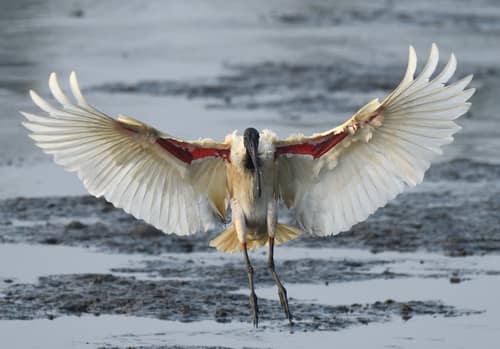
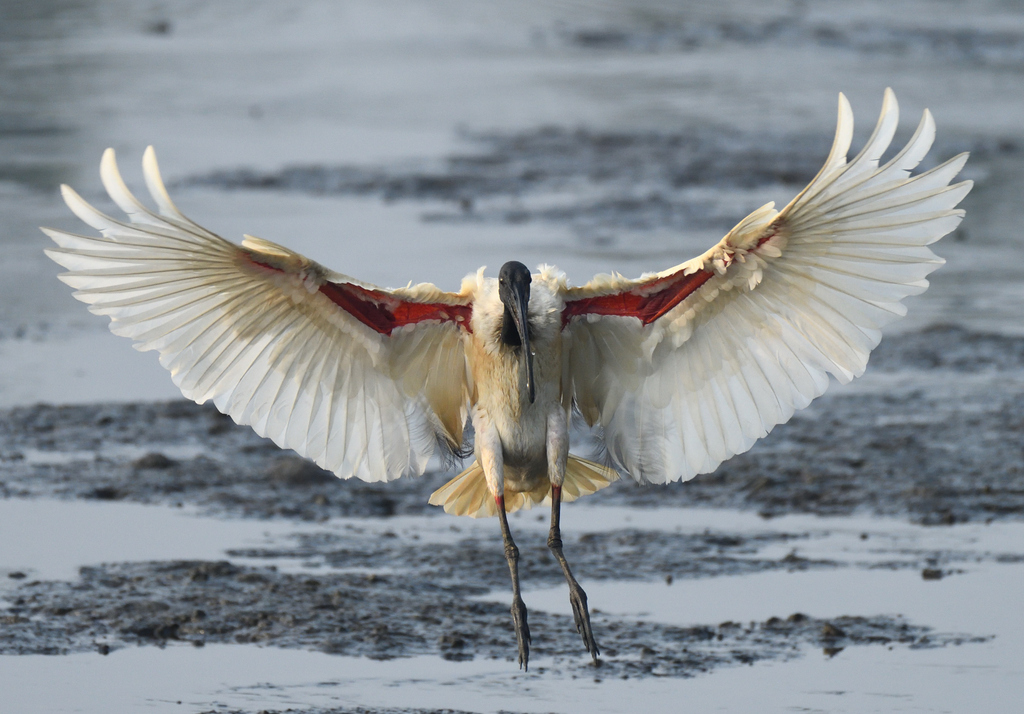
—observations
—countries
—peak records
Near ThreatenedConservation statusIUCN Red List categoriesLCNTVUENCREWEXNear ThreatenedRed List categories, explained →
Diet & preySmall fish, Frogs, Aquatic insects
Predators
- House Crow
- Bengal Monitor
- Birds of prey
ThreatsWetland degradation, drainage, hunting pressure, and breeding tree removal
HabitatsFreshwater marshes, lakes, flooded paddy fields, and coastal lagoons
Life span15–20 years
Classification
- OrderPelecaniformes
- FamilyThreskiornithidae
- GenusThreskiornis
- SpeciesThreskiornis melanocephalus
Range data is not available yet.
Interaction riskLow
- Low
- Moderate
- High
- Very high
- Why interaction risk is low
- Safe to observe at a normal distance.
- What to notice
- Look for a stark white body, naked black head and neck, and an arched black bill probing muddy shorelines.
- Support conservation
- Maintain a generous viewing distance from heronries during breeding season, as human intrusion can lead to nest desertion.
Responsible observation
- Optics: Use binoculars or spotting scopes to view communal roosts without alarming breeding birds.
- Timing: Visit wetland edges early in the morning when flocks probe shallow waters actively.
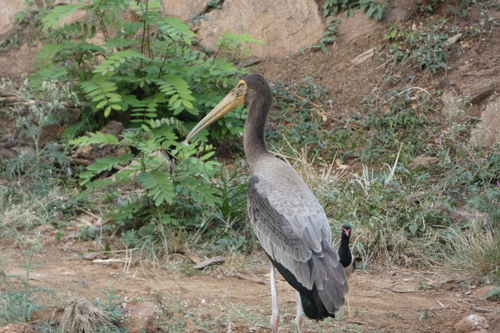
Frequent Companion (c) Livson Thomas, some rights reserved (CC BY), uploaded by Livson Thomas · cc-by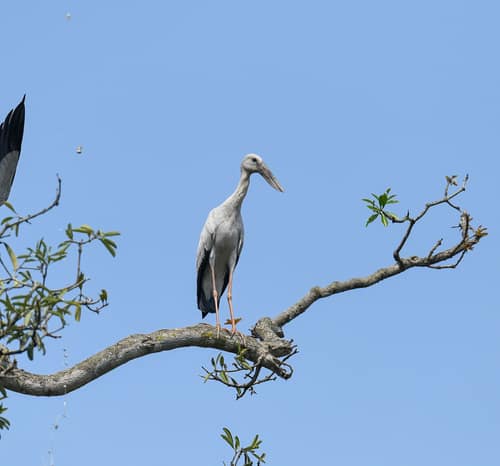
Frequent Companion (c) Rejoice Gassah, some rights reserved (CC BY) · cc-by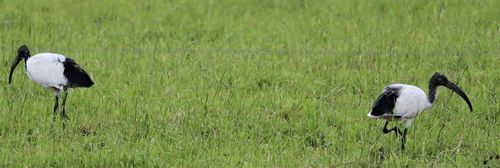
Close Relative no rights reserved · cc0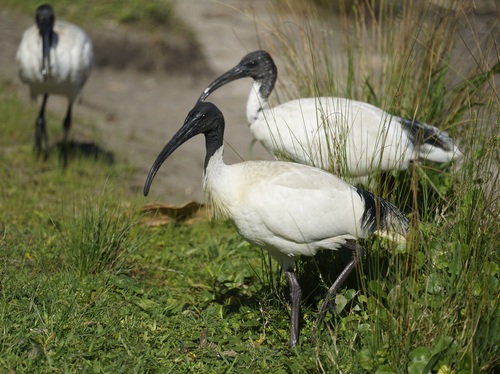
Close Relative (c) Tim, some rights reserved (CC BY), uploaded by Tim · cc-by
Same Family (c) Mitul and Vijul Singh, some rights reserved (CC BY) · cc-by
Help improve the field guideSomething wrong?
Checking your Fauna account…Report a name, category, or profile issue for review.