
Bird · GBIF taxon 2480743
Indian Courser
Cursorius coromandelicusAlso known as Coromandel Courser
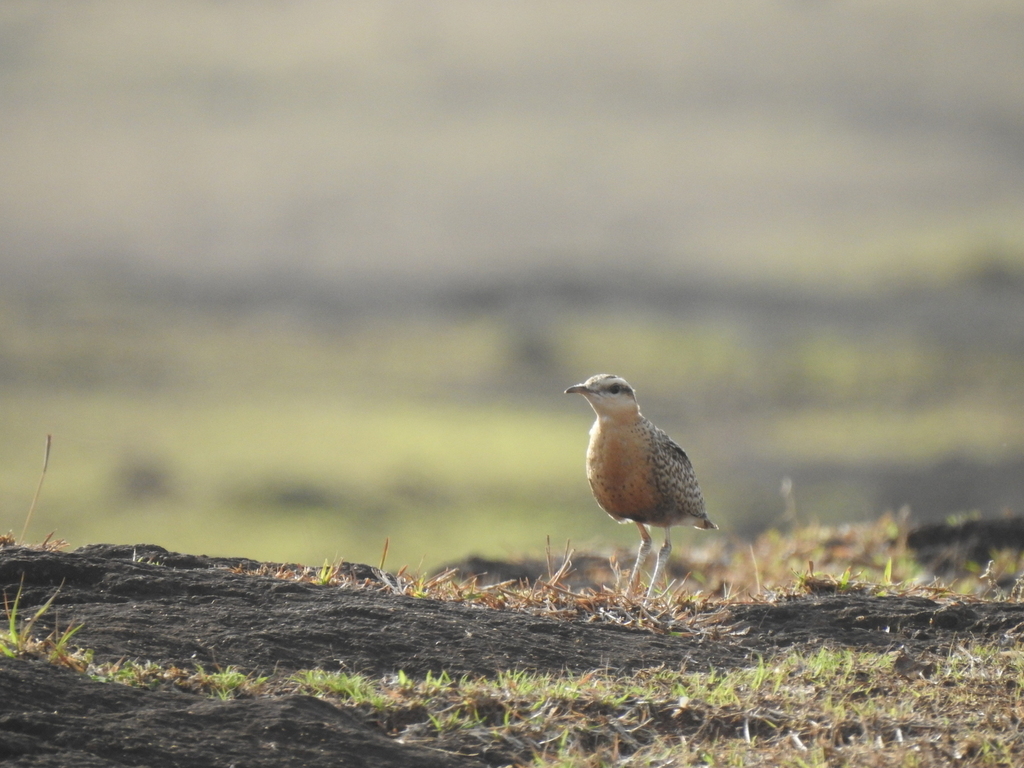
Indian coursers are striking terrestrial birds of dry, stony plains and arid fields across South Asia, easily recognized by their rich rufous crown, bold white supercilium, and dark eye stripe. They move in rapid, jerky bursts to capture ground invertebrates, stopping suddenly to stand upright and scan their surroundings. Nesting occurs on bare ground in shallow scrapes, where cryptically colored eggs camouflage against the surrounding gravel and soil.
TerrestrialInsectivoreArid Habitat

—observations
—countries
—peak records
Near ThreatenedConservation statusIUCN Red List categoriesLCNTVUENCREWEXNear ThreatenedRed List categories, explained →
Diet & prey
- Ground beetles
- Grasshoppers
- Crickets
Predators
- Falcons
- Foxes
- Feral dogs
ThreatsAgricultural intensification, habitat conversion, pesticide exposure, livestock trampling
HabitatsDry open plains, stony fields, semi-desert country, fallow farmland
Life span5–8 years
Size / weightNot available
Classification
- FamilyGlareolidae
- SpeciesCursorius coromandelicus
Range data is not available yet.
Interaction riskLow
- Low
- Moderate
- High
- Very high
- Why interaction risk is low
- Safe to observe at a normal distance.
- What to notice
- Look for a bright chestnut crown, bold white eye stripe, and chestnut lower breast on bare dry ground.
- Support conservation
- Observe from a distance using binoculars or telephoto lenses to avoid disturbing foraging groups or camouflaged nests.
Responsible observation
- Observation: Scan open dry fields carefully, as their earthy tones blend seamlessly into bare soil when stationary.
- Etiquette: Keep a respectful distance during breeding season to avoid flushing adults from ground nests.
 Image unavailable
Kinship 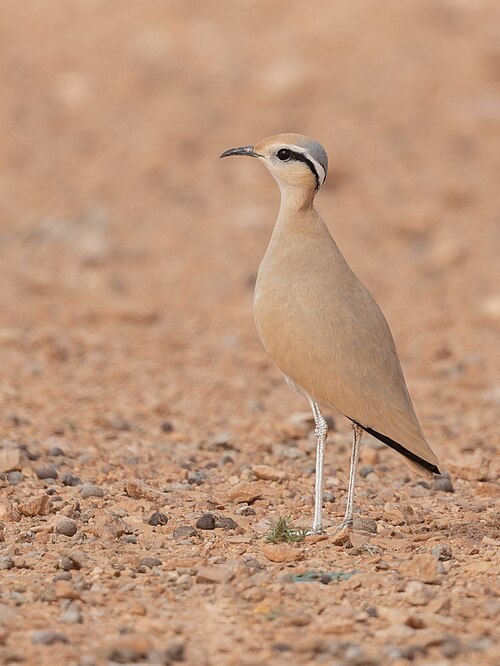
Close Relative El Golli Mohamed / CC BY-SA 4.0 · cc-by-saFamily Relative
Help improve the field guideSomething wrong?
Checking your Fauna account…Report a name, category, or profile issue for review.