
Bird
Mississippi Kite
Ictinia mississippiensisMississippi kites perform effortless aerial acrobatics, buoyant on thermal currents as they hunt swarms of flying insects mid-air. Breeding in woodland groves and urban parks across the southern and central United States, these social raptors often nest in loose colonies and migrate in large flocks to South America for the winter. Pairs work together to build stick nests high in deciduous trees and aggressively defend their chicks from passing intruders.
MigratoryRaptorInsectivore
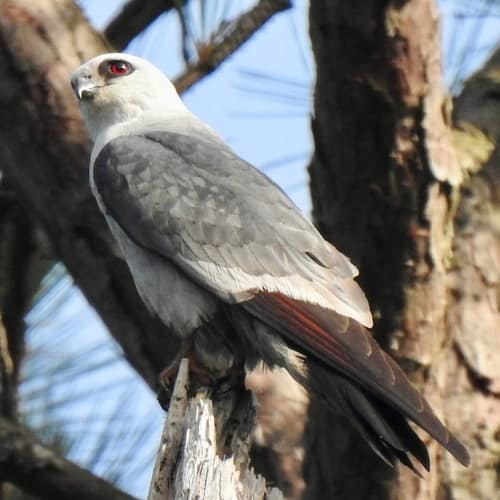
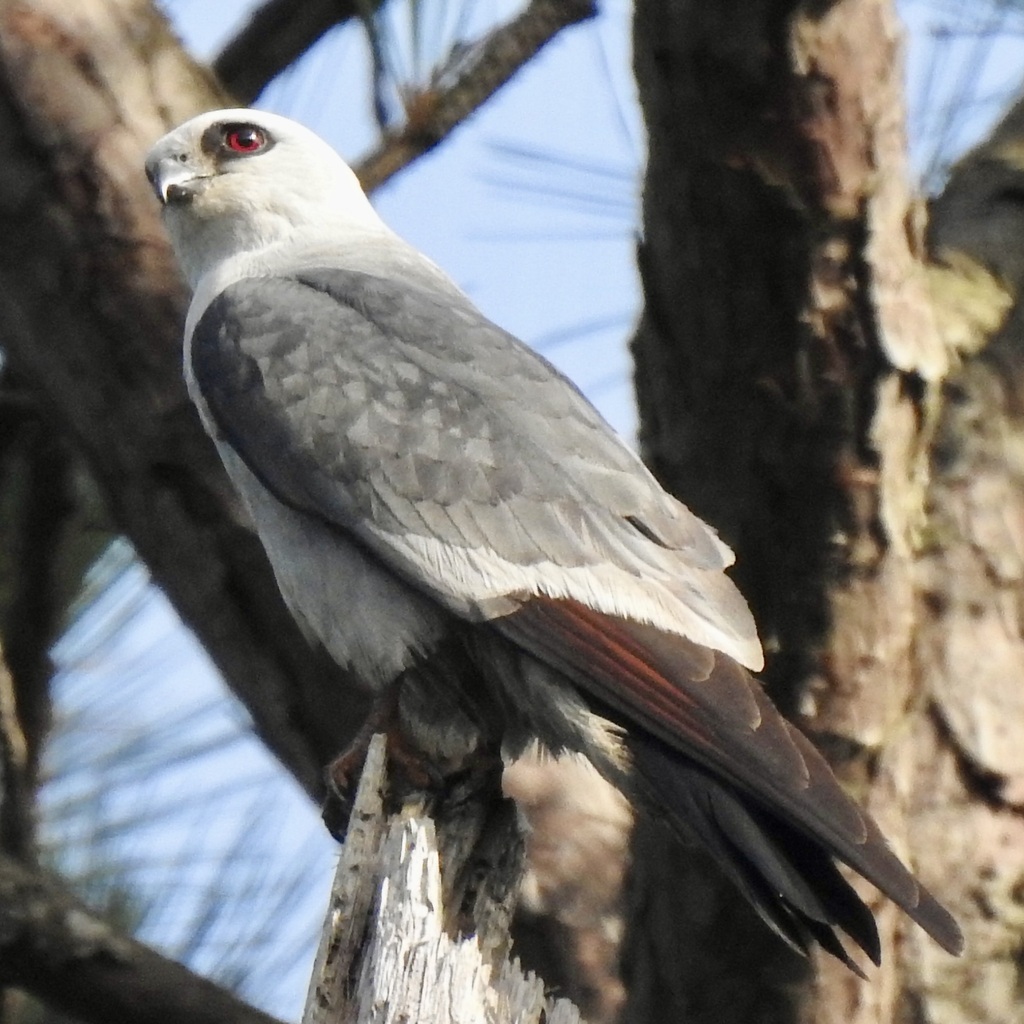
—observations
—countries
—peak records
Least ConcernConservation statusIUCN Red List categoriesLCNTVUENCREWEXLeast ConcernRed List categories, explained →
Diet & preyCicadas, Grasshoppers, Dragonflies
Predators
- Great Horned Owl
- Red-tailed Hawk
- Raccoon
ThreatsPesticide application reducing prey availability, tree clearing, nest destruction
HabitatsDeciduous woodlands, river valleys, shelterbelts, and suburban parks
Life span7–11 years
Classification
- OrderAccipitriformes
- FamilyAccipitridae
- GenusIctinia
- SpeciesIctinia mississippiensis
Range data is not available yet.
Interaction riskLow
- Low
- Moderate
- High
- Very high
- Why interaction risk is low
- Nesting adults dive-bomb humans approaching their nest trees; observe from a polite distance during spring and summer.
Responsible observation
- Look to the Skies: Scan high above open fields and golf courses during warm afternoons to spot them snatching insects mid-flight.
- Respect Nesting Trees: Give active nest sites a wide berth in late spring to avoid defensive swooping by protective parents.
- Watch for Flocks: Look for gathered groups during late summer preparation for migration south.
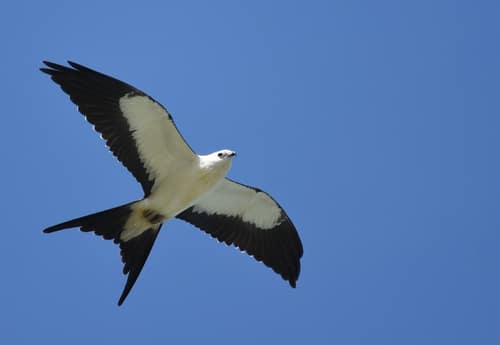
Co-occurring Raptor (c) Andy Reago & Chrissy McClarren, some rights reserved (CC BY) · cc-by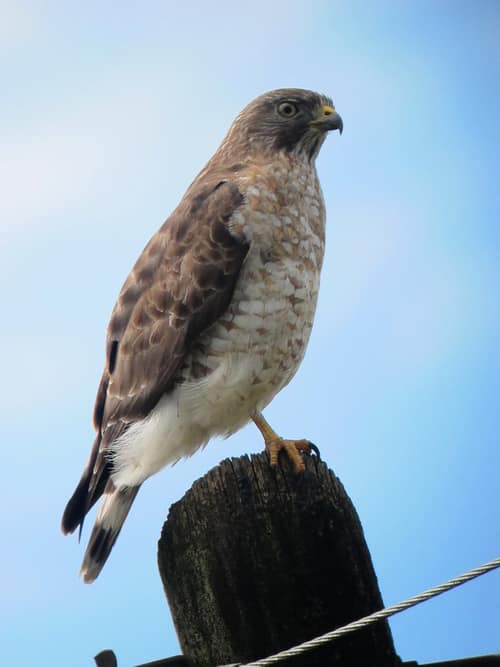
Migratory Neighbor "Buteo platypterus / Gavilán aliancho / Broad-winged Hawk" by felixú is licensed under CC BY-SA 2.0. To view a copy of this license, visit https://creativecommons.org/licenses/by-sa/2.0/. · cc-by-sa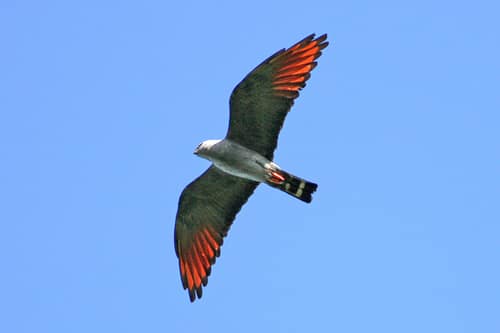
Close Relative (c) Ron Knight, some rights reserved (CC BY) · cc-by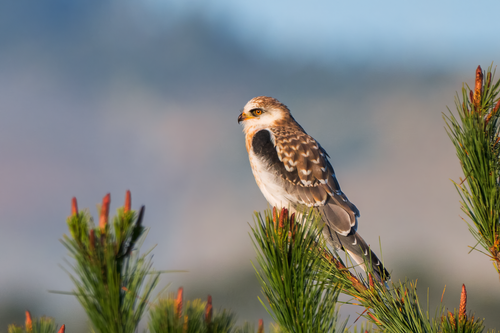
Family Member (c) cello caruso-turiello, some rights reserved (CC BY), uploaded by cello caruso-turiello · cc-by
Keep collecting in Fauna
Found in Collections
Ecosystem chain Pro
Mystic Meadows
Mississippi Kite is found in this collection. Identify it in Fauna to fill this slot and continue your progress.
Unlock to track progress
Help improve the field guideSomething wrong?
Checking your Fauna account…Report a name, category, or profile issue for review.