
Bird · GBIF taxon 2480715
Hooded Vulture
Necrosyrtes monachusAlso known as African Hooded Vulture
Hooded vultures act as vital ecosystem sanitizers across sub-Saharan villages, open savannas, and abattoirs, often arriving first at small carcasses. Their delicate, slender bills allow them to pick off soft scraps, insects, and offal that bulkier scavengers cannot reach. Pairs build bulky stick nests high in tree canopies, where they raise a single chick each breeding season.
RaptorScavenger
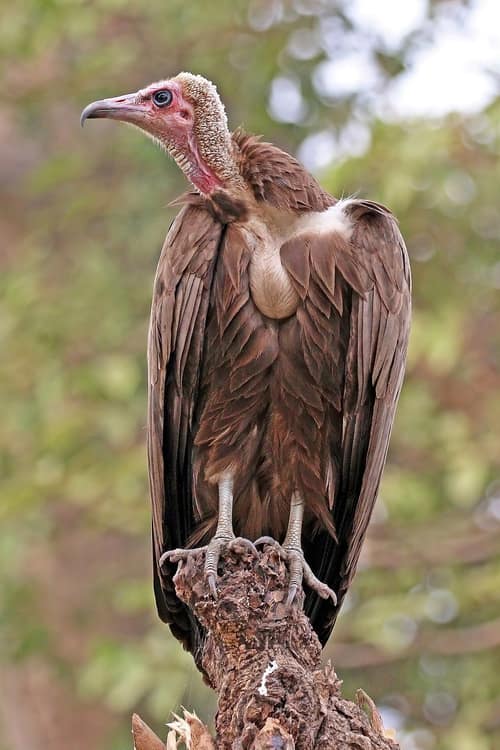
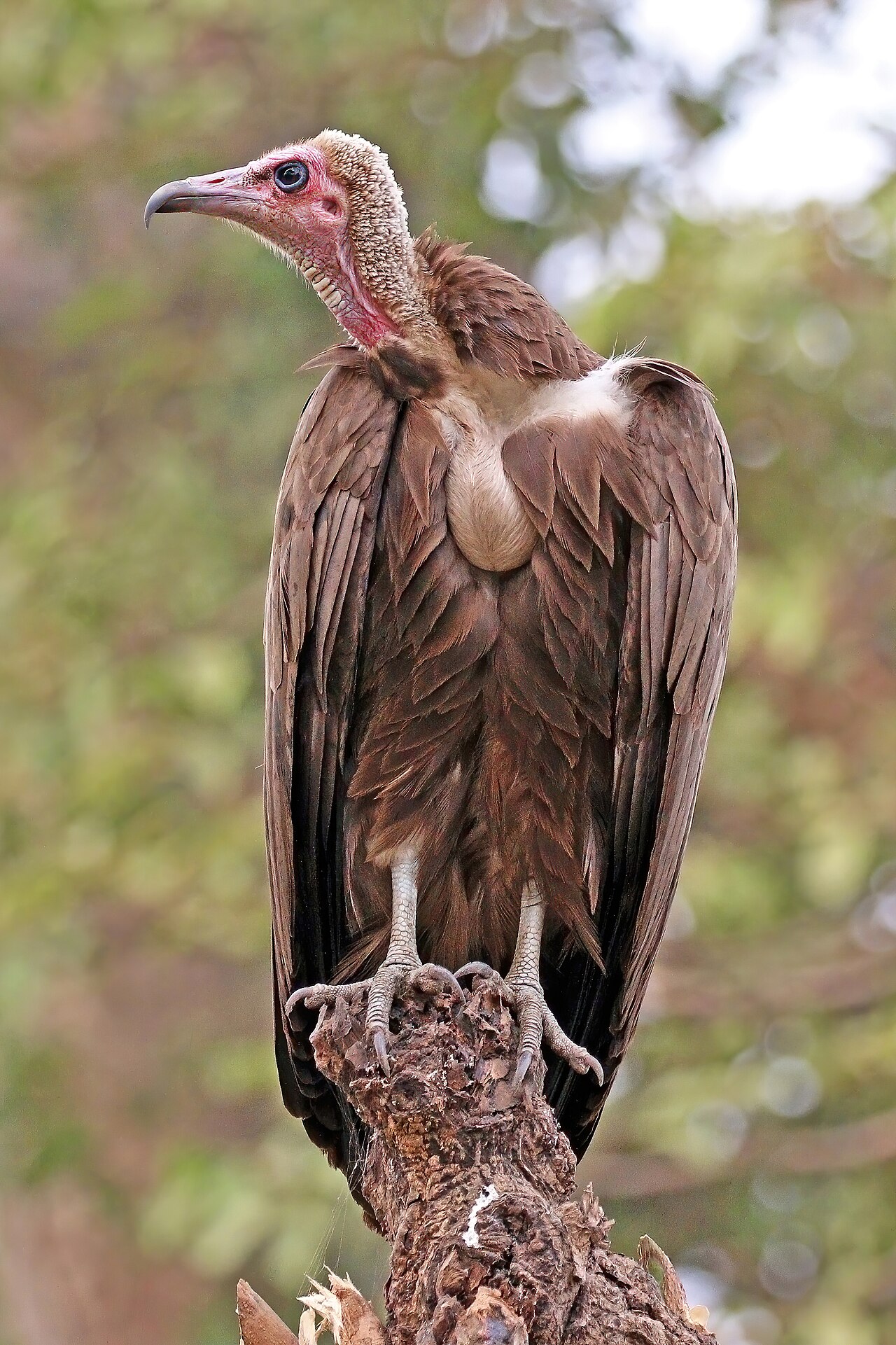
Licensed referenceCharles J. Sharp / CC BY-SA 4.0 · cc-by-sa
—observations
—countries
—peak records
Critically EndangeredConservation statusIUCN Red List categoriesLCNTVUENCREWEXCritically EndangeredRed List categories, explained →
Diet & prey
- Carrion
- Refuse
- Insects
Predators
- Martial Eagle
- Baboons
- Large Snakes
ThreatsPoisoning, persecution, illegal trade for traditional medicine, and power line collisions
HabitatsSavannas, open woodlands, forest edges, towns, and abattoirs
Life span20–30 years
Size / weightNot available
Classification
- FamilyAccipitridae
- SpeciesNecrosyrtes monachus
Range data is not available yet.
Interaction riskLow
- Low
- Moderate
- High
- Very high
- Why interaction risk is low
- Safe to observe at a normal distance.
- What to notice
- Recognizable by its small body size, overall dark brown plumage, pinkish bare face, and soft downy hood on the hind-neck.
- Support conservation
- Keep a respectful distance during observation and avoid approaching known nesting trees to prevent nest abandonment.
Responsible observation
- Observe at Markets: Look near open-air livestock markets or abattoirs where these birds frequently forage.
- Watch Facial Flushing: Note how the bare facial skin shifts to bright red during excitement or social interactions.
- Keep Nest Distance: Give nesting trees ample space to prevent disturbing breeding pairs.
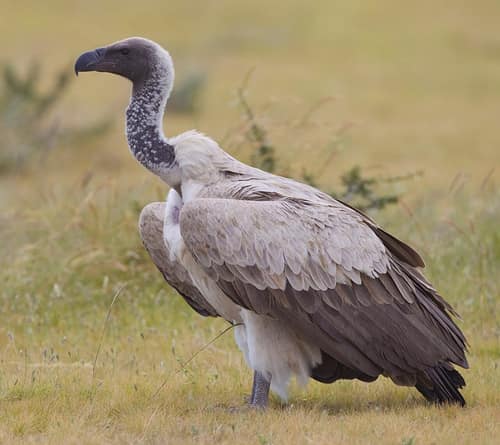
Co-scavenger Yathin sk / CC BY-SA 3.0 · cc-by-sa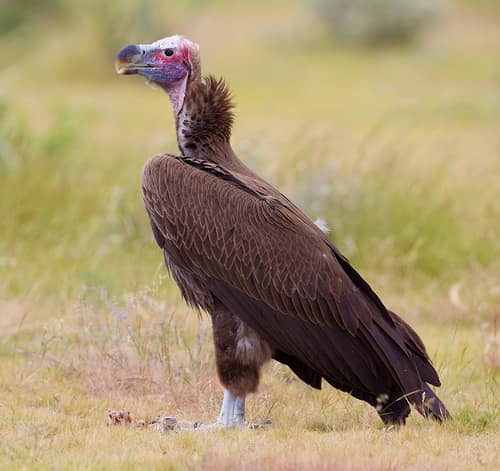
Co-scavenger (c) Yathin sk, some rights reserved (CC BY-SA) · cc-by-sa
Co-scavenger (c) Mario Garofano, some rights reserved (CC BY) · cc-by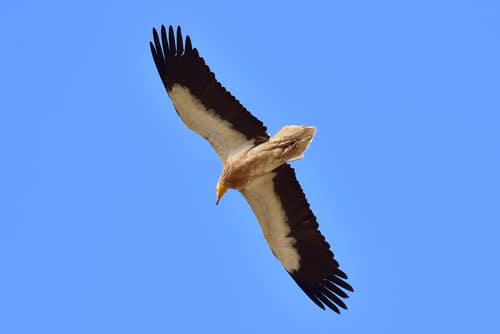
Close Relative (c) Kudaibergen Amirekul, some rights reserved (CC BY-SA), uploaded by Kudaibergen Amirekul · cc-by-sa
Help improve the field guideSomething wrong?
Checking your Fauna account…Report a name, category, or profile issue for review.