
Bird · GBIF taxon 2480666
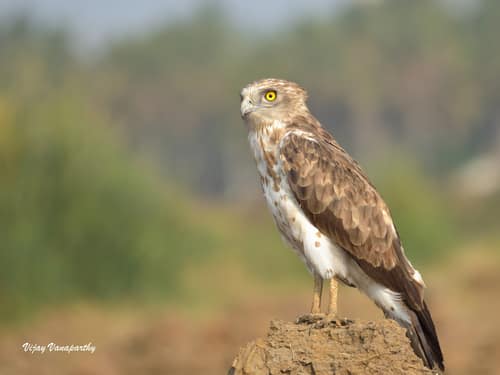
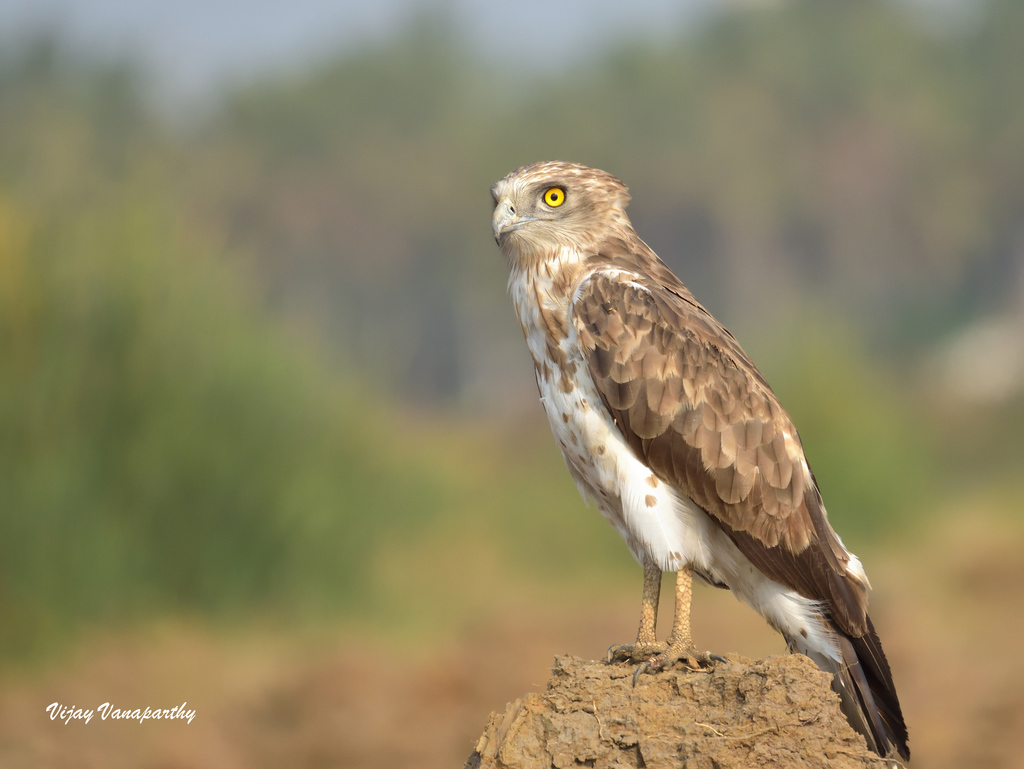
Short-toed Snake Eagle
Circaetus gallicusAlso known as Short-toed Eagle, European Snake Eagle
Short-toed snake eagles master the art of hovering in mid-air over sunny open terrain, searching intently for reptiles below. Upon spotting a snake, they plunge downward to snatch it with thick, scaled feet that protect against venomous bites. Pairs perform loud, soaring aerial displays in early spring before constructing an undersized stick nest high in a solitary tree.
RaptorMigratoryReptile Hunter
 1 / 7
1 / 7—observations
—countries
—peak records
Least ConcernConservation statusIUCN Red List categoriesLCNTVUENCREWEXLeast ConcernRed List categories, explained →
Diet & prey
- Grass Snakes
- Vipers
- Ophisaurus Lizards
Predators
- Eurasian Eagle-Owl
ThreatsHabitat loss, wind turbine collisions, powerline electrocution, and illegal shooting
HabitatsOpen plains, dry garrigue, shrublands, agricultural edges, and stony hillsides
Life span15–20 years
Size / weightNot available
Classification
- FamilyAccipitridae
- SpeciesCircaetus gallicus
Range data is not available yet.
Interaction riskLow
- Low
- Moderate
- High
- Very high
- Why interaction risk is low
- Safe to observe at a normal distance.
- What to notice
- Recognizable by its owl-like broad head, bright yellow eyes, light underwing pattern, and hovering flight.
- Support conservation
- Maintain a distance of several hundred meters from active nest trees and use binoculars for viewing.
Responsible observation
- Sky Watching: Look up over sunny dry ridges where these raptors frequently hover into the wind while scanning the ground.
- Distinction Cues: Note the pale underparts, dark throat bib, and broad head when viewing birds in flight.
- Nest Distance: Keep a wide berth around nesting trees in late spring, as pairs easily abandon nests if disturbed.
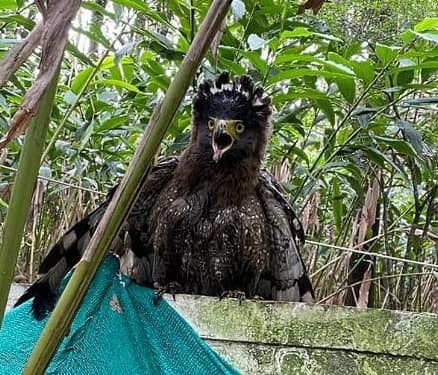
Ecological Counterpart (c) Seema Merchant, some rights reserved (CC BY) · cc-by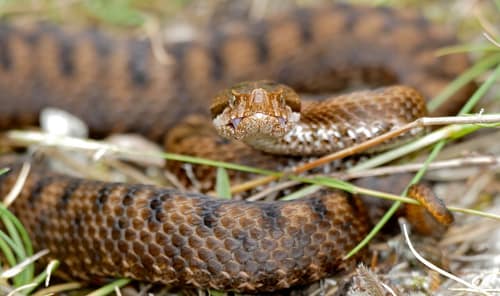
Prey Bernard DUPONT from FRANCE / CC BY-SA 2.0 · cc-by-sa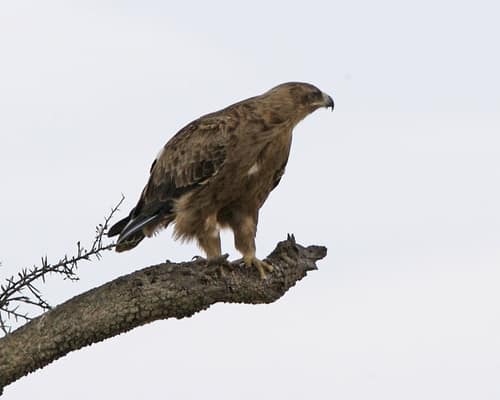
Habitat Competitor Lip Kee Yap from Singapore, Republic of Singapore / CC BY-SA 2.0 · cc-by-sa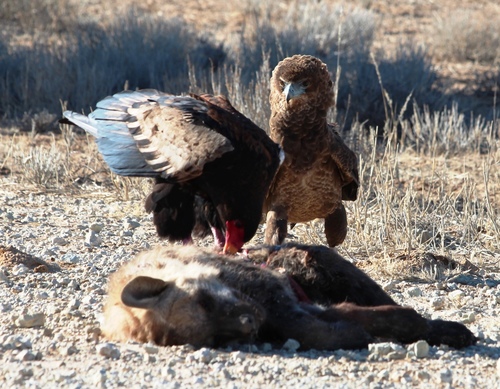
Close Relative (c) Tony Rebelo, some rights reserved (CC BY-SA) · cc-by-sa
Help improve the field guideSomething wrong?
Checking your Fauna account…Report a name, category, or profile issue for review.