
Bird · GBIF taxon 2480589
Northern Goshawk
Accipiter gentilisAlso known as Eurasian Goshawk, Goshawk
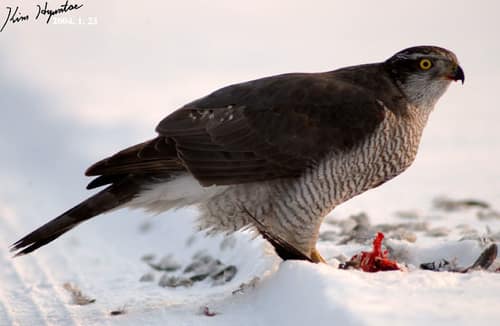
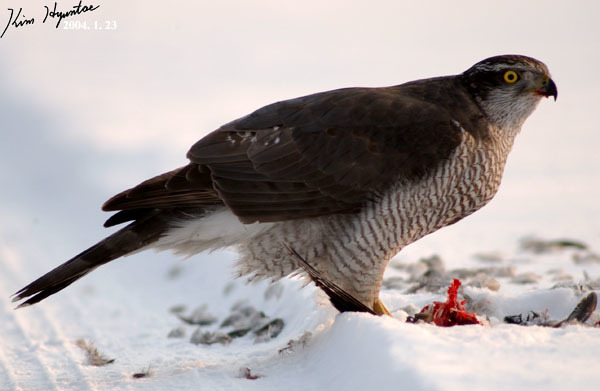
Northern goshawks are apex forest predators engineered for agile high-speed hunts through dense timber. Powerful rounded wings and long rudder-like tails allow these formidable accipiters to weave effortlessly between branches to surprise prey. Breeding pairs build massive stick nests high in mature canopy trees and defend their territory with terrifying intensity.
RaptorApex PredatorForest Bird
—observations
—countries
—peak records
Least ConcernConservation statusIUCN Red List categoriesLCNTVUENCREWEXLeast ConcernRed List categories, explained →
Diet & prey
- Wood Pigeon
- European Hare
- Black Grouse
Predators
- Eurasian Eagle-Owl
- Golden Eagle
ThreatsHabitat fragmentation, illegal persecution, powerline collisions
HabitatsConiferous and mixed forests, woodland edges
Life span10–19 years
Size / weightNot available
Classification
- FamilyAccipitridae
- SpeciesAccipiter gentilis
Range data is not available yet.
Interaction riskLow
- Low
- Moderate
- High
- Very high
- Why interaction risk is low
- Vigorously defends nest trees against intruders; maintain a wide berth during spring and summer nesting seasons.
- Why it is dangerous
- Nesting adults fiercely defend their territory and can cause head injuries with sharp talons when dive-bombing intruders.
- How to recognize a risky encounter
- Recognized by a dark crown, prominent white eye-stripe, grey barred breast, and loud ki-ki-ki alarm call.
- What to do
- Immediately leave the area if a goshawk vocalizes overhead or swoops near you during spring.
Responsible observation
- Nesting Distance: Avoid approaching active nest trees during spring and early summer to prevent protective attacks.
- Identification Cues: Look for the broad white stripe over the eye and grey finely barred underparts in adults.
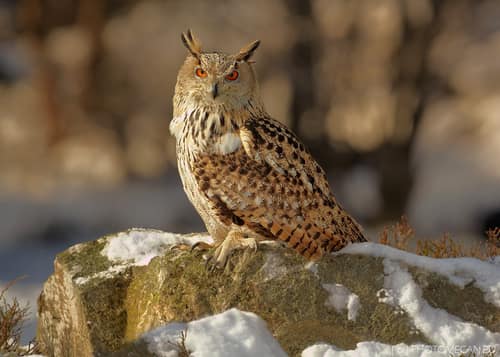
Competitor Martin Mecnarowski (http://www.photomecan.eu/) / CC BY-SA 3.0 · cc-by-sa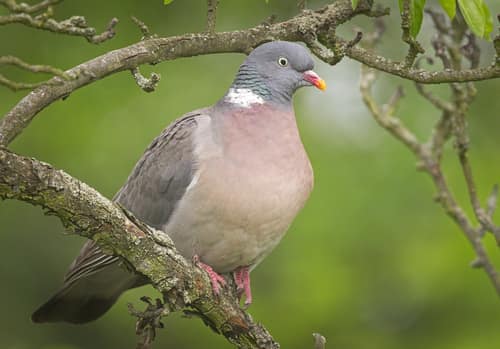
Prey (c) hedera.baltica, some rights reserved (CC BY-SA) · cc-by-sa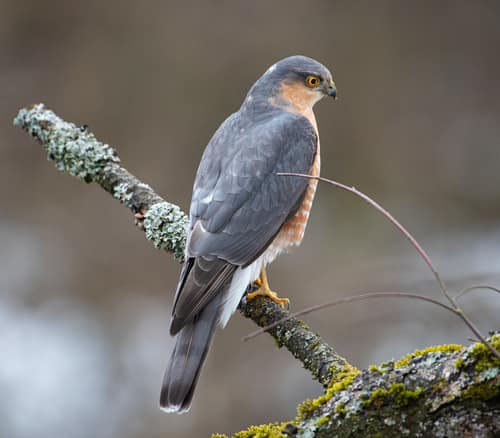
Close Relative (c) Stanislav Murashkin, some rights reserved (CC BY), uploaded by Stanislav Murashkin · cc-by
Help improve the field guideSomething wrong?
Checking your Fauna account…Report a name, category, or profile issue for review.