
Bird · GBIF taxon 2480569
Galápagos Hawk
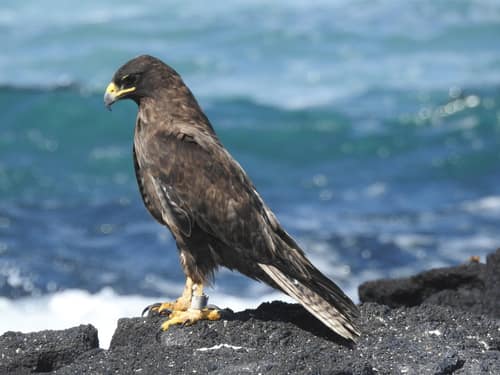
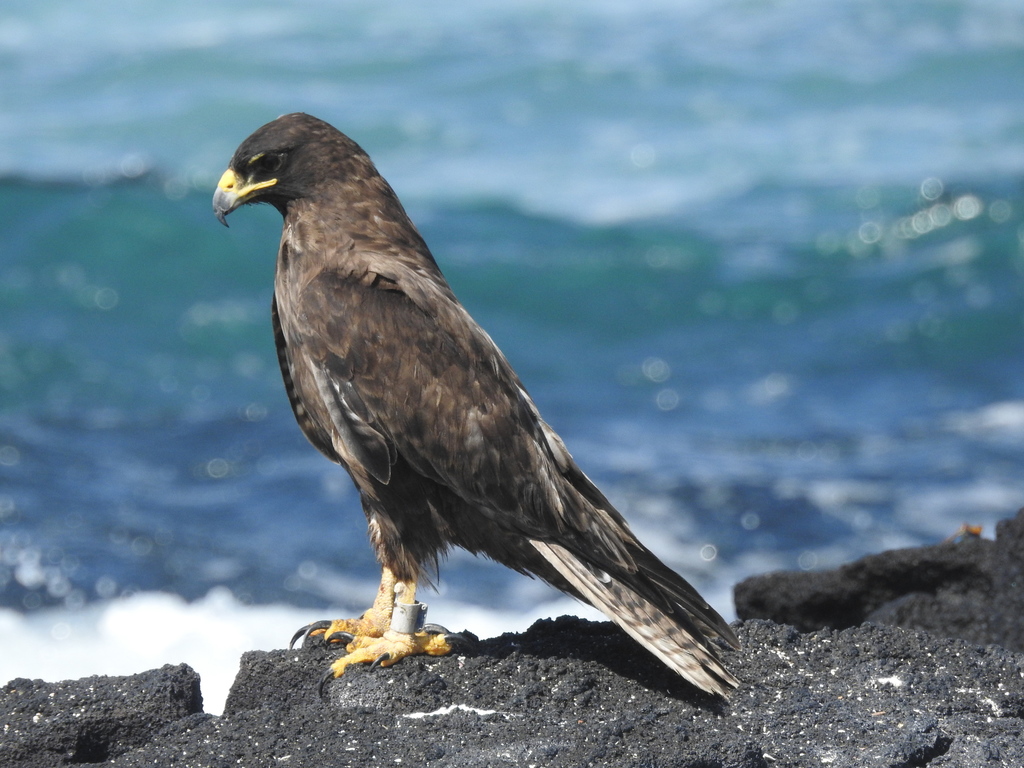
Buteo galapagoensisGalápagos hawks reign as the apex terrestrial predators across the volcanic archipelago, hunting everything from lava lizards to hatchling giant tortoises with keen aerial coordination. They practice cooperative polyandry, where a single female mates with multiple males who jointly defend the nesting territory and provision the chicks. Having evolved with virtually no mammalian competition, they display an extraordinary curiosity toward human visitors, often perching unbothered just a few paces away.
EndemicApex PredatorIsland Bird
 1 / 7
1 / 7—observations
—countries
—peak records
VulnerableConservation statusIUCN Red List categoriesLCNTVUENCREWEXVulnerableRed List categories, explained →
Diet & prey
- Marine Iguana
- Galápagos Lava Lizard
- Galápagos Giant Tortoise (hatchlings)
Predators
- Feral cats (eggs and nestlings)
- Feral dogs (nestlings)
ThreatsIntroduced mammalian predators, disease, past human persecution, and small island population sizes
HabitatsVolcanic lava fields, arid scrublands, coastal lowlands, and humid uplands
Life span15–20 years
Classification
- FamilyAccipitridae
- SpeciesButeo galapagoensis
Range data is not available yet.
Interaction riskLow
- Low
- Moderate
- High
- Very high
- Why interaction risk is low
- Possesses sharp talons and a hooked beak; admire calmly from the required park viewing distance.
- Why it is dangerous
- Equipped with powerful talons and a raptorial beak capable of inflicting deep lacerations if threatened or grabbed.
- How to recognize a risky encounter
- Look for a large dark sooty-brown raptor with broad wings, yellow legs, and a greyish-yellow cere.
- What to do
- Never touch or corner a hawk; remain on official park trails and step back if one approaches.
- What to notice
- Recognizable by its dark plumage, inquisitive behavior, and steady soaring flight over open volcanic terrain.
- Support conservation
- Give active nests a wide berth, pack out all waste, and report any illegal human disturbance to park rangers.
Responsible observation
- Distance: Maintain the mandatory two-meter national park rule, as hawks are unusually fearless.
- Nesting areas: Keep to marked trails to avoid disturbing ground-nesting or rock-nesting birds.
- Photography: Use natural light without flash, as sudden flashes can startle resting raptors.
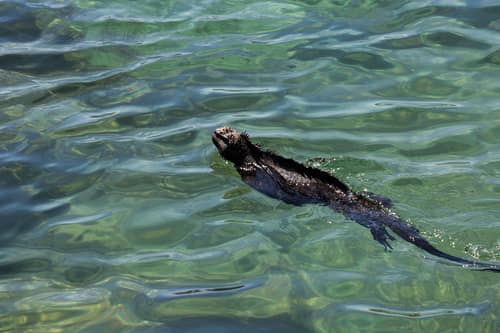
Prey (c) patrickc, some rights reserved (CC BY), uploaded by patrickc · cc-by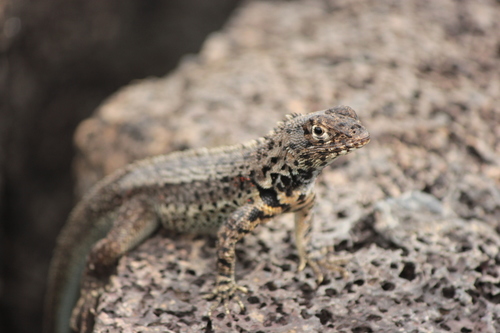
Prey (c) Frank Dietze, some rights reserved (CC BY) · cc-by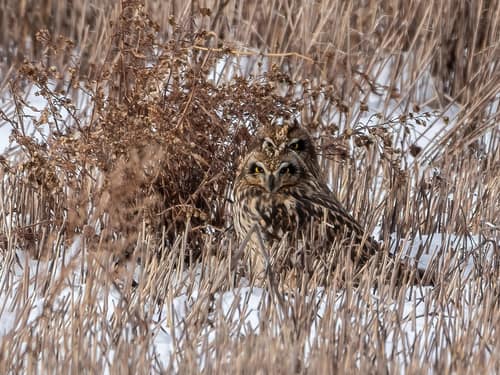
Competitor (c) Derek Spencer, some rights reserved (CC BY) · cc-by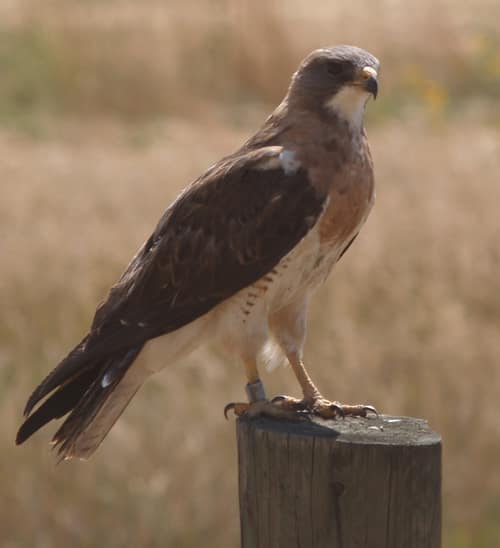
Close Relative Flickr user lostinfog . Photo edited and uploaded to commons by user ltshears / CC BY-SA 2.0 · cc-by-sa
Help improve the field guideSomething wrong?
Checking your Fauna account…Report a name, category, or profile issue for review.