
Bird
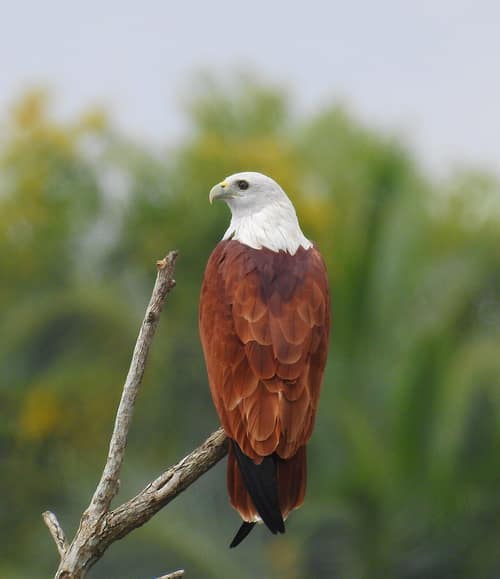
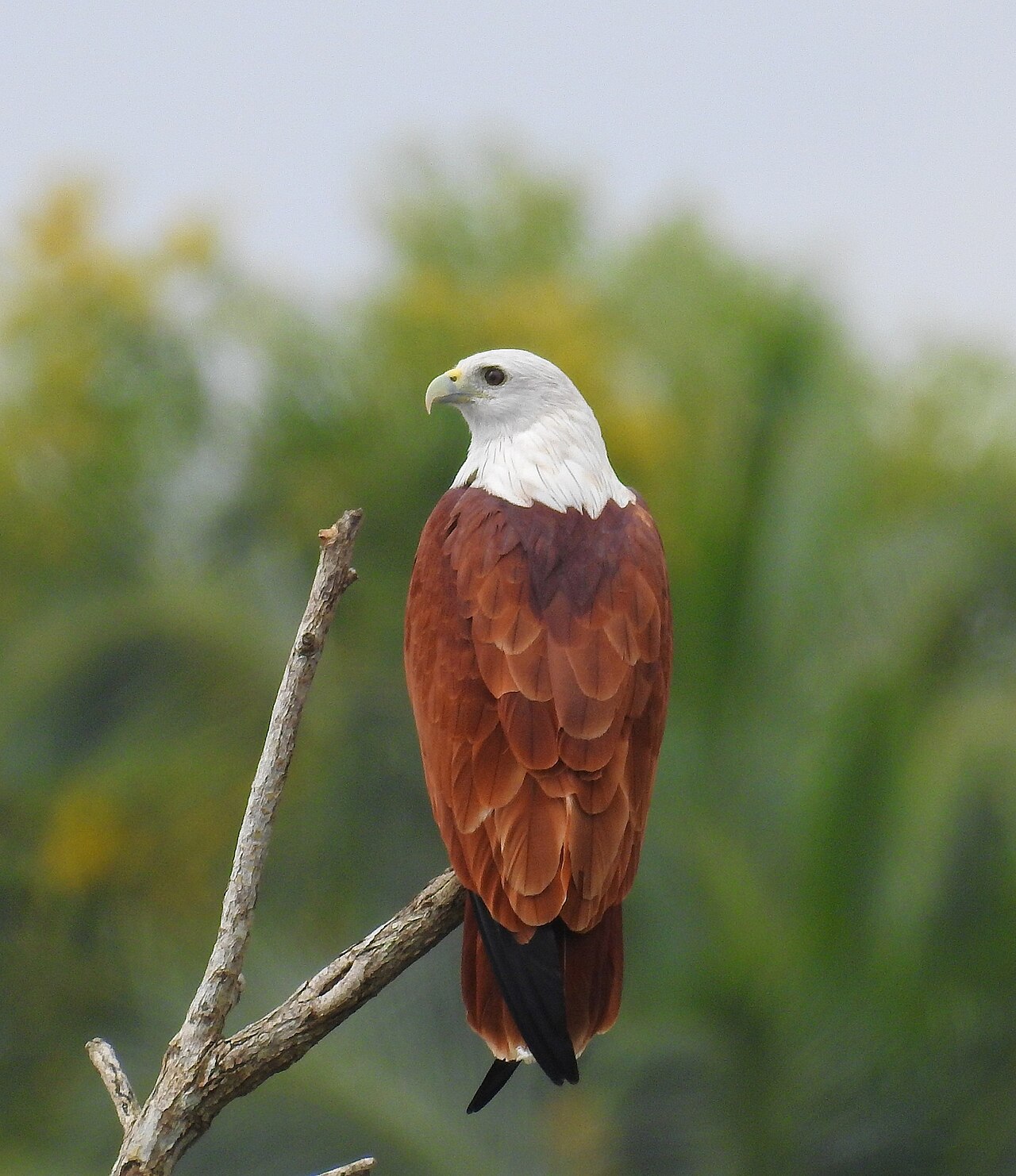
Brahminy Kite
Haliastur indusAlso known as Red-backed Sea-eagle, White-headed Sea Eagle
Brahminy kites patrol coastlines and estuaries with effortless soaring glides, tilting their wings to catch sea breezes as they scan the water for floating carrion and surface fish. They often congregate near fishing harbors and mangrove swamps, snatching refuse directly from the water's surface without submerging their bodies. Breeding pairs construct large stick nests high in mangrove canopies or tall coastal trees, returning to refurbish the same platform across consecutive seasons.
RaptorCoastalScavenger
—observations
—countries
—peak records
Least ConcernConservation statusIUCN Red List categoriesLCNTVUENCREWEXLeast ConcernRed List categories, explained →
Diet & preyDead fish, Mud crabs, Small rodents
Predators
- White-bellied Sea Eagle
- Lace Monitor
- Large owl species
ThreatsHabitat degradation of coastal wetlands, pesticide runoff, and loss of nesting trees
HabitatsCoastlines, mangrove swamps, estuaries, tidal creeks, rivers, and coastal wetlands
Life span15–25 years
Classification
- FamilyAccipitridae
- SpeciesHaliastur indus
Range data is not available yet.
Interaction riskLow
- Low
- Moderate
- High
- Very high
- Why interaction risk is low
- Safe to observe at a normal distance.
Responsible observation
- Observation Spotting: Look for them perching on mangrove snags or port pilings overlooking tidal waters.
- Nesting Etiquette: Avoid lingering beneath active nest trees during the breeding season to prevent nest abandonment.
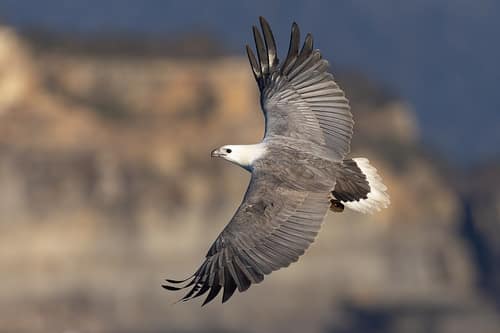
Competitor JJ Harrison / CC BY-SA 3.0 · cc-by-sa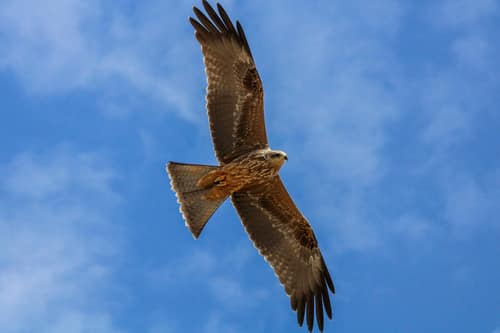
Ecological Neighbor no rights reserved, uploaded by Joshua S. Martin · cc0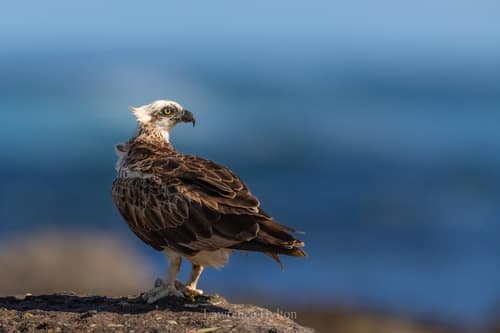
Competitor (c) Lawrence Hylton, some rights reserved (CC BY), uploaded by Lawrence Hylton · cc-by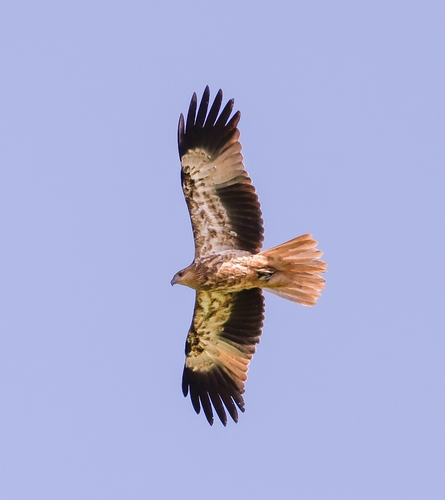
Close Relative (c) pittafisher, some rights reserved (CC BY), uploaded by pittafisher · cc-by
Help improve the field guideSomething wrong?
Checking your Fauna account…Report a name, category, or profile issue for review.