
Bird
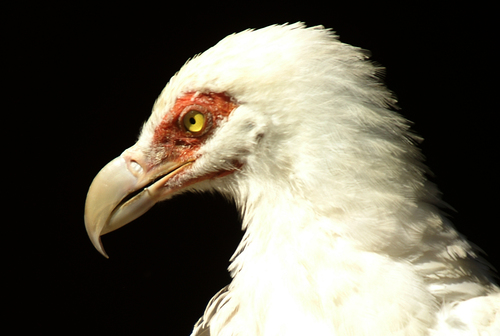
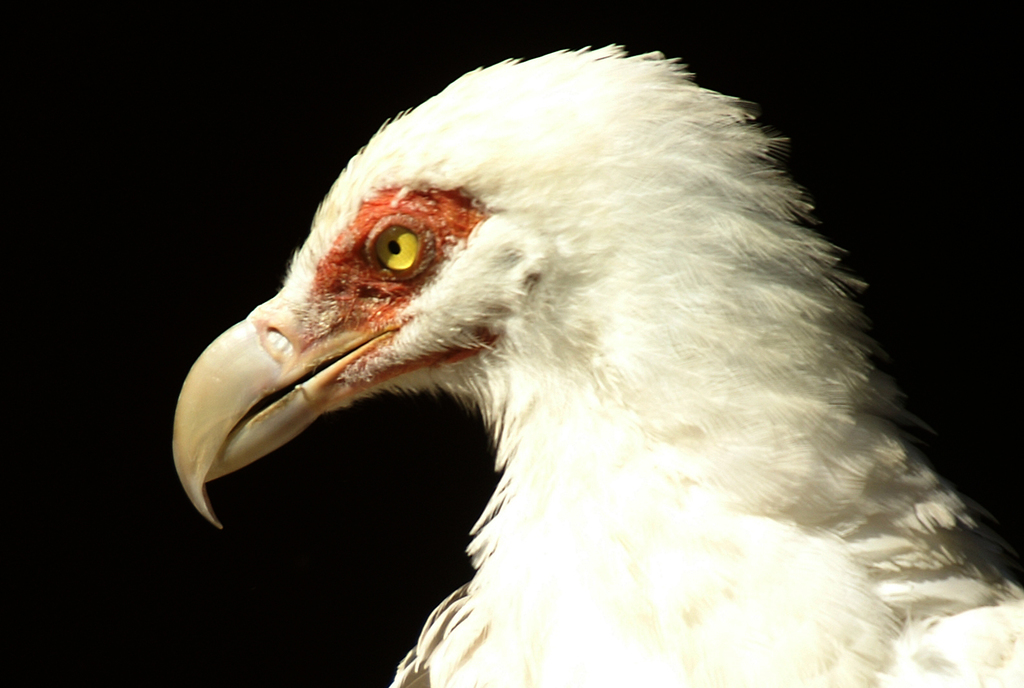
Palm-nut Vulture
Gypohierax angolensisAlso known as Vulturine Fish Eagle, Palm-nut Eagle
Unusually for a bird of prey, the palm-nut vulture feeds predominantly on the fleshy husk of oil palm and raffia palm fruits. Adult birds display striking white plumage with contrasting black wings and vivid orange-red bare skin around the eyes. They inhabit wetlands, forests, and palm groves across sub-Saharan Africa, often staying tied to areas where wild or cultivated oil palms thrive.
RaptorFrugivorousTropical
—observations
—countries
—peak records
Least ConcernConservation statusIUCN Red List categoriesLCNTVUENCREWEXLeast ConcernRed List categories, explained →
Diet & preyOil palm fruit, Raffia palm fruit, Fish
Predators
- Large eagles
- Monkeys
ThreatsHabitat clearance, coastal development, and human persecution
HabitatsForests, swamps, mangroves, riverbanks, and oil palm plantations
Life span20–25 years
Classification
- OrderAccipitriformes
- FamilyAccipitridae
- GenusGypohierax
- SpeciesGypohierax angolensis
Range data is not available yet.
Interaction riskLow
- Low
- Moderate
- High
- Very high
- Why interaction risk is low
- Capable of delivering strong bites or scratches if cornered; observe from a respectful distance.
Responsible observation
- Spotting: Look high in the crowns of oil palms or coastal mangroves near river mouths.
- Observation: Use binoculars to watch them peel palm husks with their specialized beak.
- Disturbance: Keep a clear distance from bulky stick nests positioned in tall trees.
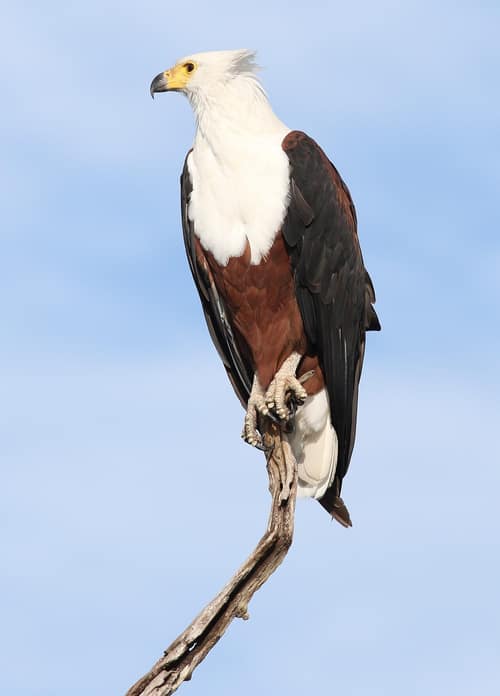
Co-occurring Raptor Derek Keats from Johannesburg, South Africa / CC BY 2.0 · cc-by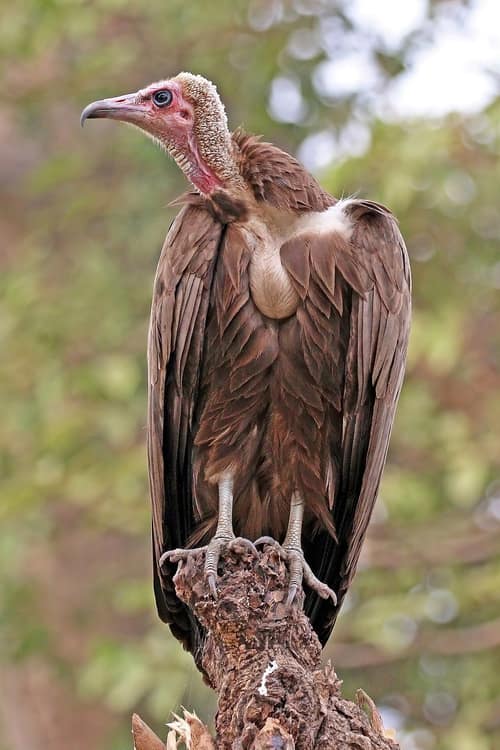
Kinship Charles J. Sharp / CC BY-SA 4.0 · cc-by-sa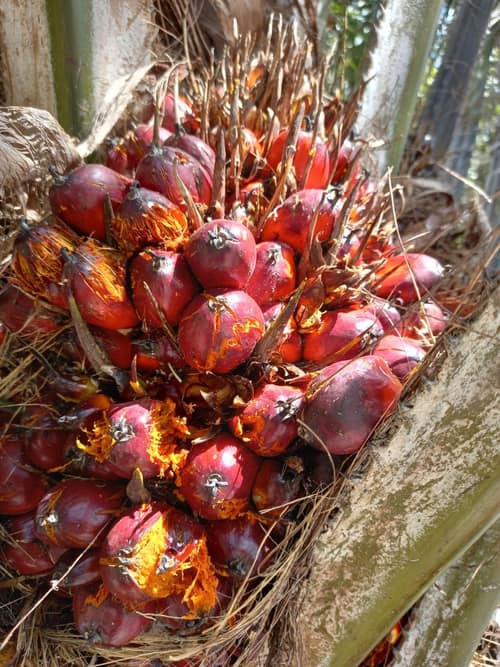
Primary Food Source (c) Fabrício Mil Homens Riella, some rights reserved (CC BY), uploaded by Fabrício Mil Homens Riella · cc-by
Keep collecting in Fauna
Found in Collections
Ecosystem chain Pro
Mystic Meadows
Palm-nut Vulture is found in this collection. Identify it in Fauna to fill this slot and continue your progress.
Unlock to track progress
Help improve the field guideSomething wrong?
Checking your Fauna account…Report a name, category, or profile issue for review.