
Bird
Philippine Eagle
Pithecophaga jefferyiAlso known as Monkey-eating Eagle, Great Philippine Eagle, Haribon
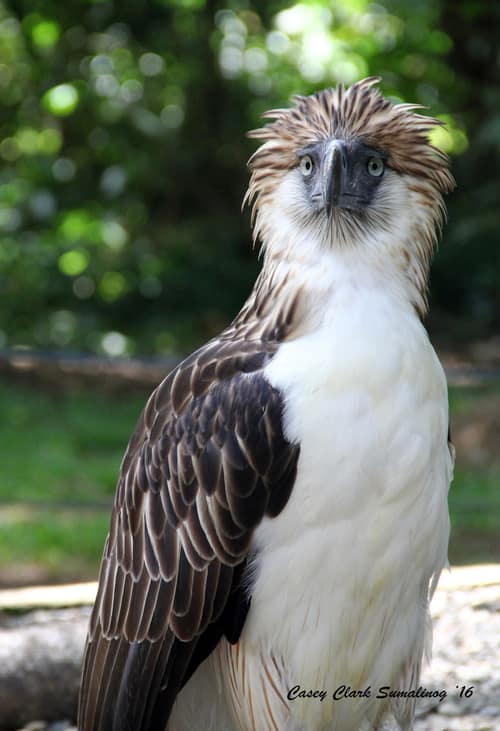
Philippine eagles reign as apex aerial predators in old-growth tropical dipterocarp forests, navigating dense canopies with remarkable agility despite their massive wingspans. Monogamous pairs establish vast breeding territories spanning dozens of square kilometers and rear a single chick every two years in immense nest bowls high in emergent trees. Forest fragmentation and illegal trapping have driven populations dangerously low, making every surviving pair critical to the future of the species.
Apex PredatorCanopy DwellerEndemic
—observations
—countries
—peak records
Critically EndangeredConservation statusIUCN Red List categoriesLCNTVUENCREWEXCritically EndangeredRed List categories, explained →
Diet & preyPhilippine Flying Lemur, Asian Palm Civet, Philippine Long-tailed Macaque
ThreatsDeforestation, forest fragmentation, shooting, and accidental trapping
HabitatsPrimary lowland and montane tropical rainforests
Life span30–60 years
Classification
- FamilyAccipitridae
- SpeciesPithecophaga jefferyi
Range data is not available yet.
Interaction riskLow
- Low
- Moderate
- High
- Very high
- Why interaction risk is low
- Powerful talons and beak can cause severe injury if handled; observe from a safe distance.
- Why it is dangerous
- Possesses exceptionally powerful feet and talons designed to crush mammalian prey, along with a massive tearing bill.
- How to recognize a risky encounter
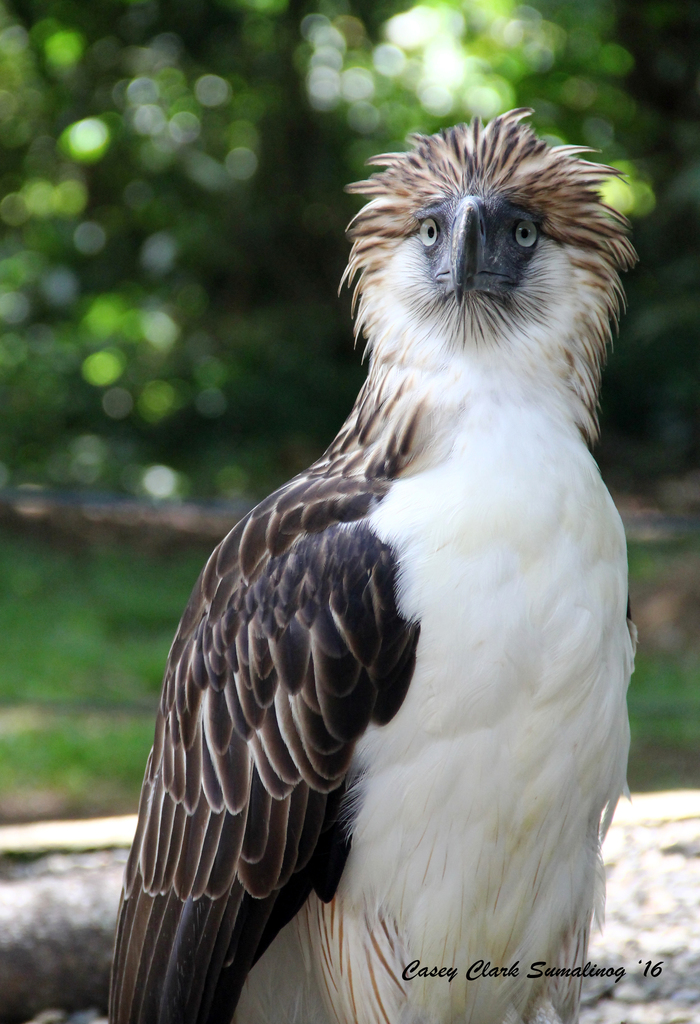
- Look for a prominent shaggy crest of elongated crown feathers, bluish-grey bill, and white underparts.
- What to do
- Never attempt to approach or rescue an injured bird yourself; contact licensed wildlife authorities immediately.
- What to notice
- Enormous size, pale iris, dark cream-and-brown mane-like crest, and vocalization consisting of high-pitched whistles.
- Support conservation
- Keep observation noise to a minimum and never disclose specific nest coordinates on public forums.
Responsible observation
- Viewing Etiquette: Maintain substantial distance using spotting scopes or long lenses to avoid alerting nesting birds.
- Nesting Seasons: Never approach known nesting trees, as disturbance can prompt parents to abandon their single chick.
- Guided Treks: Only visit verified habitats with certified indigenous forest rangers and conservation guides.
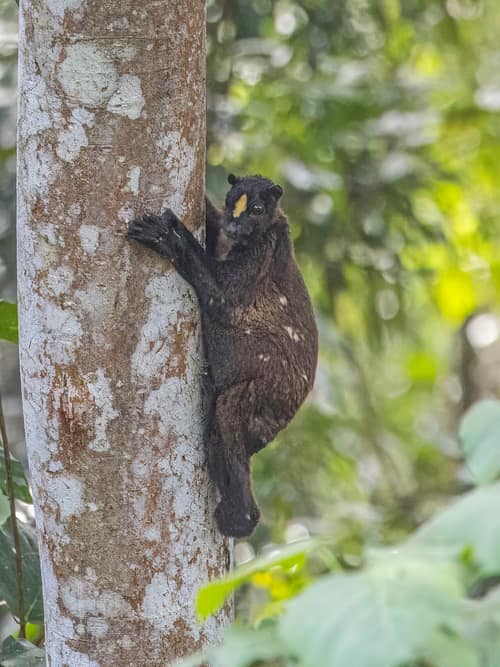
Prey Charles J. Sharp / CC BY-SA 4.0 · cc-by-sa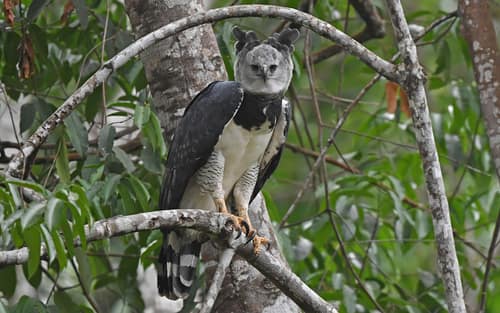
Ecological Counterpart (c) Christoph Moning, some rights reserved (CC BY), uploaded by Christoph Moning · cc-by Image unavailable
Same Family Same Family
Help improve the field guideSomething wrong?
Checking your Fauna account…Report a name, category, or profile issue for review.