
Bird · GBIF taxon 2480352
Pink-backed Pelican
Pelecanus rufescensPink-backed pelicans are relatively small among pelicans, featuring a subtle grayish-white body and a wash of soft pink across their lower back during breeding season. Unlike many larger pelican species that nest on open ground, these birds construct messy stick nests high in trees, palms, or mangroves. They forage in quiet, shallow African waters, using their expansible gular pouches to scoop up fish and small amphibians.
WaterbirdColonial NestingPiscivore


—observations
—countries
—peak records
Least ConcernConservation statusIUCN Red List categoriesLCNTVUENCREWEXLeast ConcernRed List categories, explained →
Diet & prey
- Tilapia
- Cichlids
- Frogs
Predators
- Crocodiles
- Lions
- African Fish Eagles
ThreatsHabitat degradation, pollution, tree removal at colony sites
HabitatsSwamps, shallow lakes, flooded plains, coastal lagoons
Life span15–25 years
Classification
- OrderPelecaniformes
- FamilyPelecanidae
- GenusPelecanus
- SpeciesPelecanus rufescens
Range data is not available yet.
Interaction riskLow
- Low
- Moderate
- High
- Very high
- Why interaction risk is low
- Capable of delivering a sharp pinch with its hooked bill if cornered; keep a respectful distance.
Responsible observation
- Observe Near Water: Look for them along shallow freshwater margins, rivers, and mangrove swamps.
- Spot Tree Nests: Scan tall trees and palms near water bodies where they often nest in groups.
- Keep Distance: Avoid approaching nesting colonies to prevent disturbing breeding birds.
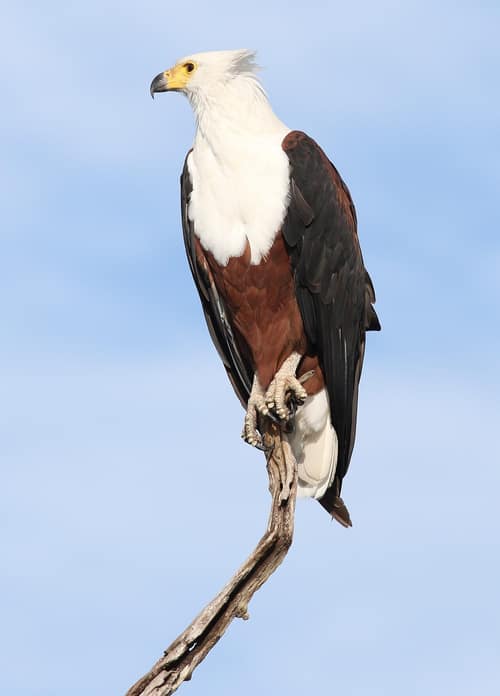
Competitor Derek Keats from Johannesburg, South Africa / CC BY 2.0 · cc-by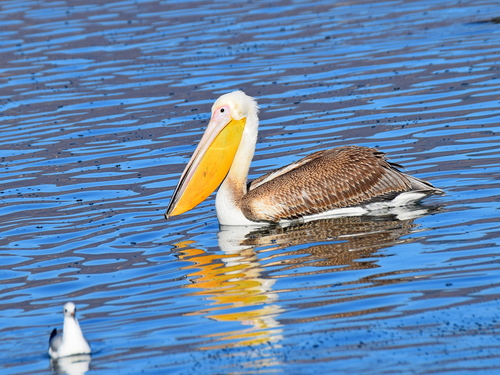
Close Relative (c) Kostas Zontanos, some rights reserved (CC BY), uploaded by Kostas Zontanos · cc-by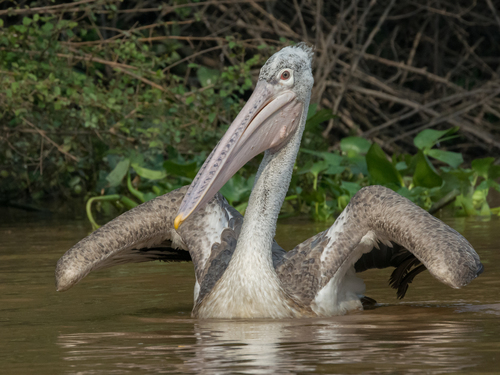
Close Relative (c) William Stephens, some rights reserved (CC BY), uploaded by William Stephens · cc-by
Help improve the field guideSomething wrong?
Checking your Fauna account…Report a name, category, or profile issue for review.