
Bird · GBIF taxon 2480347
Shoebill
Balaeniceps rexAlso known as Whalehead, Whale-headed Stork, Shoebill Stork
Shoebills inhabit expansive freshwater swamps across east-central Africa, remaining motionless for hours as they stalk fish in dense papyrus beds. When prey comes within range, they strike with explosive speed, using a massive, shoe-shaped bill with a sharp hooked tip to decapitate lungfish and tilapia. Solitary and quiet by nature, adults communicate near the nest using a loud bill-clattering display that sounds remarkably like a machine gun.
SolitaryWaderSwamp Dweller
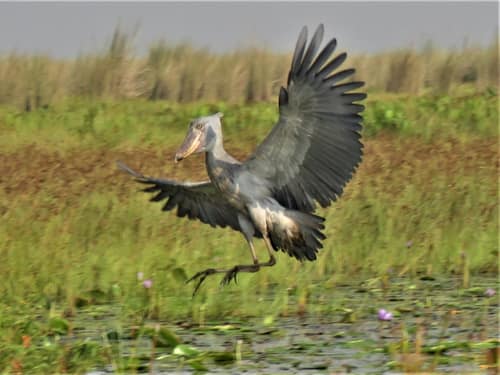
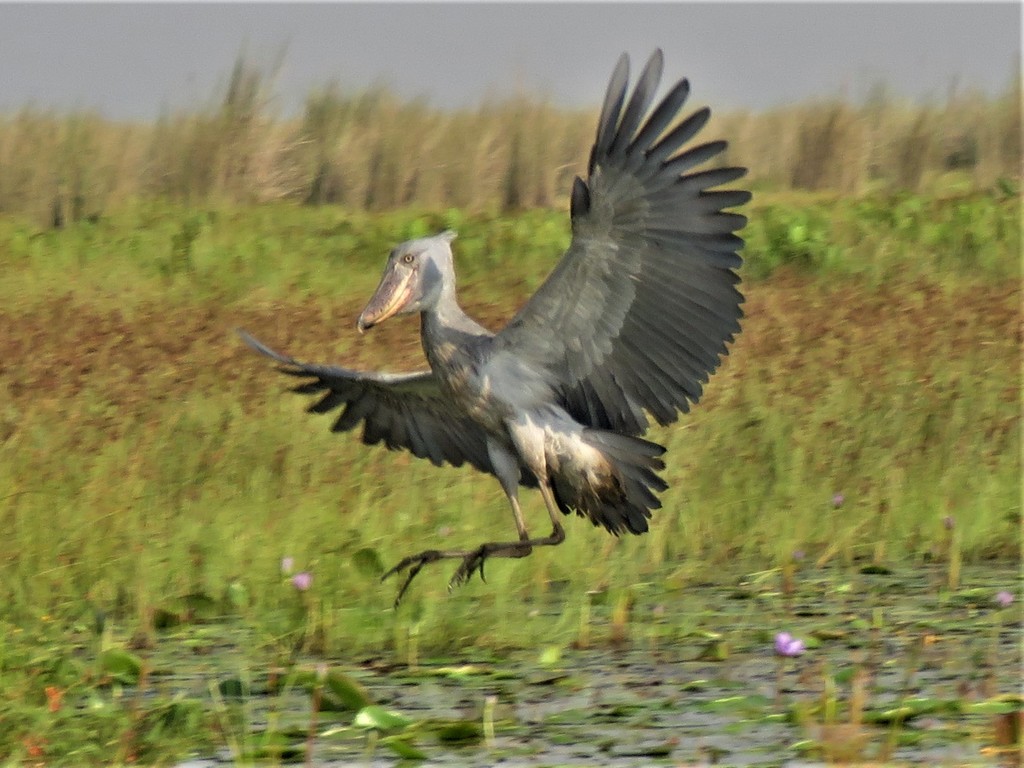 1 / 7
1 / 7—observations
—countries
—peak records
VulnerableConservation statusIUCN Red List categoriesLCNTVUENCREWEXVulnerableRed List categories, explained →
Diet & prey
- Marbled Lungfish
- Bichir
- Tilapia
Predators
- Nile Crocodile
ThreatsHabitat destruction, swamp drainage, fire, hunting, and live bird trade
HabitatsPermanent freshwater swamps, papyrus marshes, and flooded reed beds
Life span35–50 years
Size / weightNot available
Classification
- OrderPelecaniformes
- FamilyBalaenicipitidae
- GenusBalaeniceps
- SpeciesBalaeniceps rex
Range data is not available yet.
Interaction riskLow
- Low
- Moderate
- High
- Very high
- Why interaction risk is low
- Possesses an enormous hooked beak capable of severe bites; maintain a respectful distance.
- Why it is dangerous
- Possesses a powerful, sharp-edged bill with a heavy terminal hook capable of delivering serious lacerations.
- How to recognize a risky encounter
- Distinctive tall, grey, stork-like bird featuring yellow eyes and a massive clog-shaped beak.
- What to do
- Do not attempt to approach or corner a wild bird; observe safely from boats or established boardwalks.
- What to notice
- Look for a huge grey wader standing over a meter tall along the papyrus edges of central African swamps.
- Support conservation
- Maintain a distance of at least 100 meters and use binoculars to avoid flushing adults from nests.
Responsible observation
- Observation: Scan dense papyrus margins slowly, as grey plumage blends seamlessly into deep marsh shadows.
- Ethical distance: Keep a wide berth around nesting sites to prevent adult birds from deserting their eggs.
- Vocalizations: Listen for machine-gun-like bill clattering during the breeding season in remote swamps.
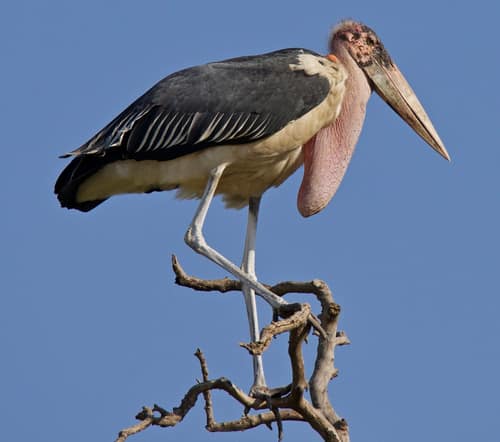
Competitor (c) Donald Hampton, some rights reserved (CC BY-SA), uploaded by Donald Hampton · cc-by-sa
Close Relative (c) Kostas Zontanos, some rights reserved (CC BY), uploaded by Kostas Zontanos · cc-by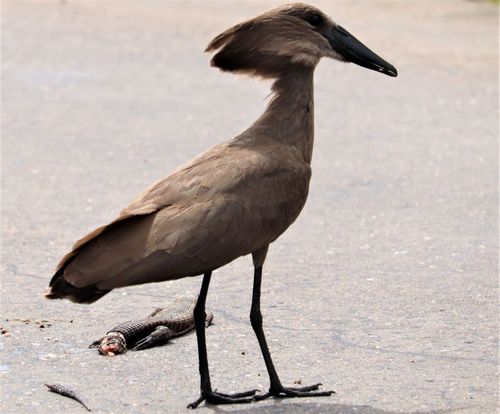
Close Relative no rights reserved · cc0
Help improve the field guideSomething wrong?
Checking your Fauna account…Report a name, category, or profile issue for review.