
Bird · GBIF taxon 2480295
Semipalmated Plover
Charadrius semipalmatusAlso known as Semipalmated Ringed Plover
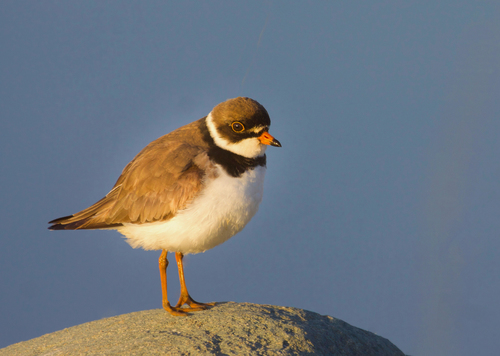
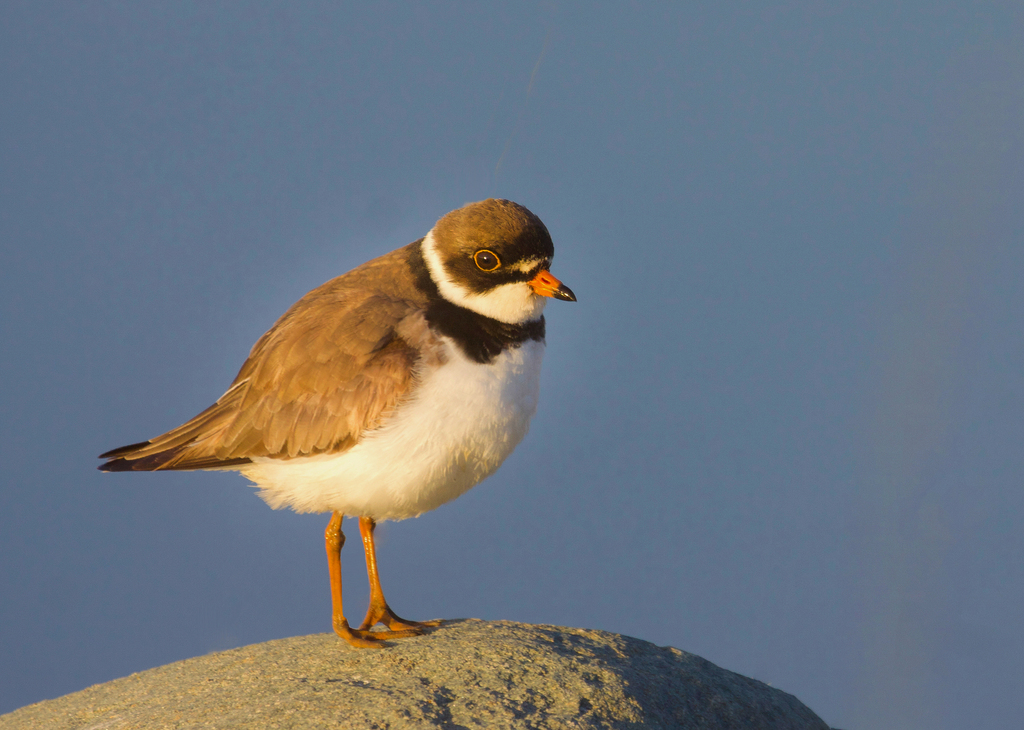
Semipalmated plovers are energetic shorebirds that run in quick bursts across mudflats, pausing abruptly to peck at hidden invertebrates. They nest across the high Arctic tundra before embarking on long-distance autumn migrations to southern coastal beaches. During the breeding season, adults show a distinct single dark breast band, bright orange legs, and a stubby orange bill tipped with black.
ShorebirdMigratoryWader
—observations
—countries
—peak records
Least ConcernConservation statusIUCN Red List categoriesLCNTVUENCREWEXLeast ConcernRed List categories, explained →
Diet & prey
- Polychaete Worms
- Amphipods
- Fly Larvae
Predators
- Peregrine Falcons
- Merlins
- Arctic Foxes
ThreatsCoastal habitat loss, climate change affecting Arctic tundra, and human disturbance
HabitatsArctic tundra, mudflats, sandy beaches, and rocky shores
Life span8–12 years
Classification
- OrderCharadriiformes
- FamilyCharadriidae
- GenusCharadrius
- SpeciesCharadrius semipalmatus
Range data is not available yet.
Interaction riskLow
- Low
- Moderate
- High
- Very high
- Why interaction risk is low
- Safe to observe at a normal distance.
- What to notice
- Look for a small shorebird with a single dark neck ring, orange legs, and a short orange-and-black bill on mudflats.
- Support conservation
- Keep dogs leashed on beaches and give flocking shorebirds a wide berth to allow uninterrupted feeding.
Responsible observation
- Give Space on Beaches: Maintain a respectful distance so foraging birds can feed without burning energy on flight.
- Watch for Foraging Behavior: Look for their characteristic run-and-stop hunting style along the tide line.
- Use Optics: A spotting scope or telephoto lens provides detailed views without causing disturbance.
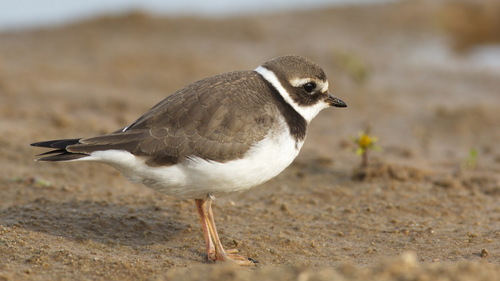
Look-alike (c) Вячеслав Юсупов, some rights reserved (CC BY), uploaded by Вячеслав Юсупов · cc-by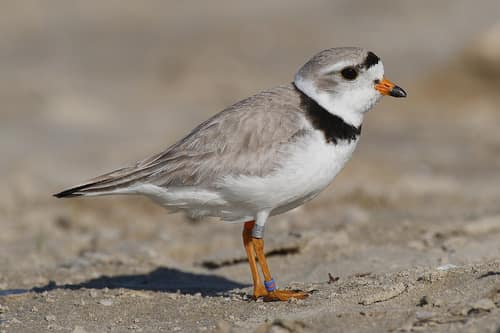
Close Relative Mdf derivative work: User:Tmv23 (talk) / CC BY-SA 3.0 · cc-by-sa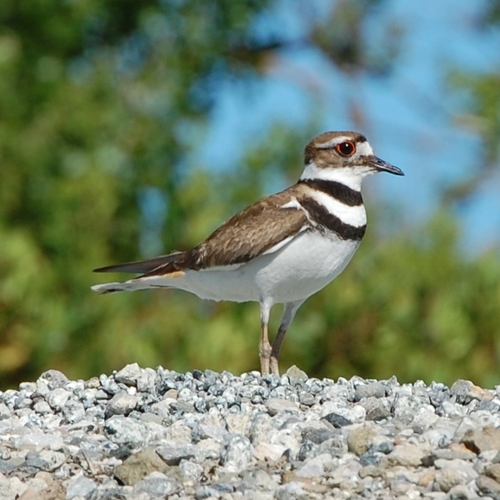
Close Relative (c) Eugene Zelenko, some rights reserved (CC BY-SA) · cc-by-sa
Help improve the field guideSomething wrong?
Checking your Fauna account…Report a name, category, or profile issue for review.