
Bird · GBIF taxon 2480266
Variable Oystercatcher
Haematopus unicolorAlso known as Tōrea-pango, Red Bill
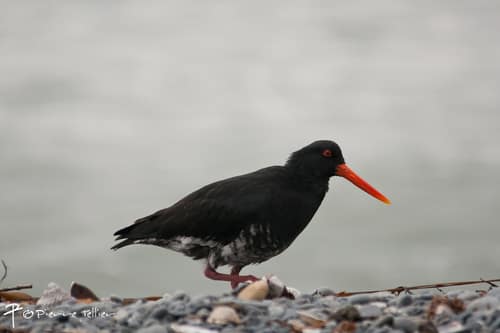
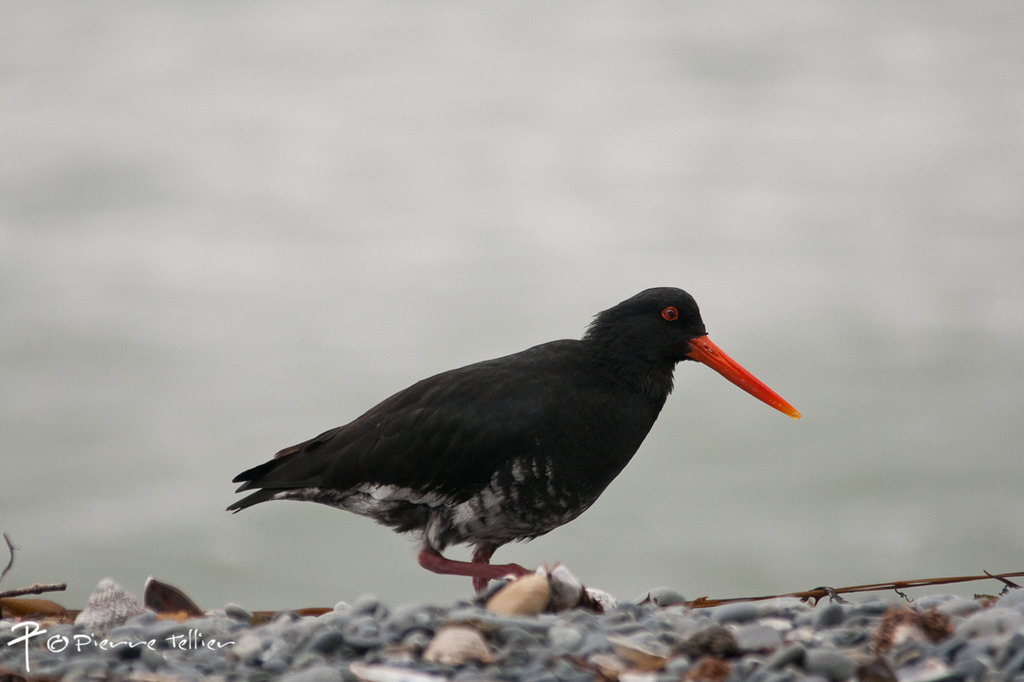
Variable oystercatchers are heavy-set coastal waders endemic to New Zealand, easily spotted by their vivid coral-red bills, matching eye rings, and stout pink legs. True to their name, their plumage varies dramatically across individuals from completely jet-black to pied patterns with bright white underbellies. Paired mates defend beach territories year-round, using their specialized chisel-tipped bills to pry open heavy shellfish on rocky shores and estuaries.
CoastalWaderEndemic
 1 / 7
1 / 7—observations
—countries
—peak records
Least ConcernConservation statusIUCN Red List categoriesLCNTVUENCREWEXLeast ConcernRed List categories, explained →
Diet & prey
- Mussels
- Limpets
- Crabs
Predators
- Stoats
- Feral cats
- Kelp gulls
ThreatsIntroduced predators, coastal development, beach disturbance
HabitatsSandy beaches, rocky shorelines, estuaries, coastal lagoons
Life span15–30 years
Size / weightNot available
Classification
- FamilyHaematopodidae
- SpeciesHaematopus unicolor
Range data is not available yet.
Interaction riskLow
- Low
- Moderate
- High
- Very high
- Why interaction risk is low
- Safe to observe from a respectful distance.
- What to notice
- Look for stocky black or pied birds with long coral-red bills patrolling shoreline territories.
- Support conservation
- Maintain a wide berth near beach dunes in spring and summer, keeping dogs on leashes at all times.
Responsible observation
- Watch Foraging Behavior: Observe how birds pry open mussels on rocks or probe sand for worms.
- Give Nesting Birds Space: Avoid stepping on open beach dunes between September and March where nests are camouflaged.
- Listen for Calls: Listen for high-pitched piping chatter used during territorial displays.
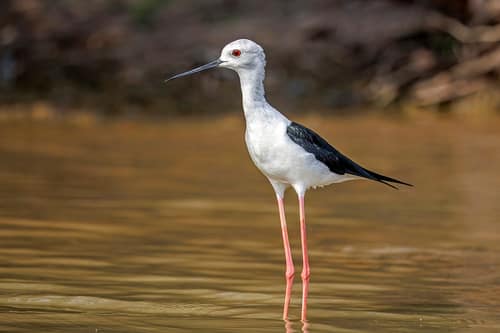
Frequent Companion Charles J. Sharp / CC BY-SA 4.0 · cc-by-sa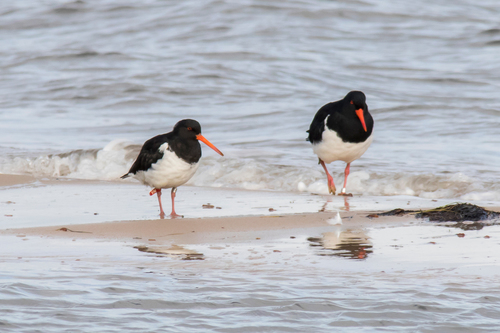
Close Relative (c) Andrew Allen, some rights reserved (CC BY), uploaded by Andrew Allen · cc-by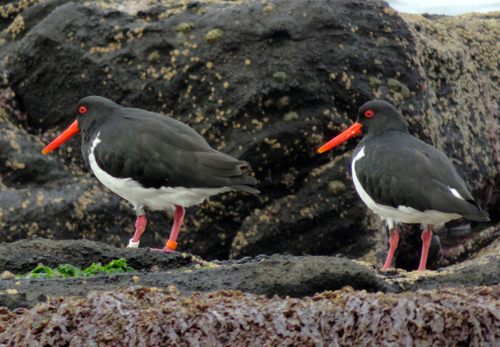
Close Relative no rights reserved, uploaded by Peter de Lange · cc0
Help improve the field guideSomething wrong?
Checking your Fauna account…Report a name, category, or profile issue for review.