
Bird · GBIF taxon 2480181
Gray Parrot
Psittacus erithacusAlso known as African Gray Parrot, Congo Gray Parrot
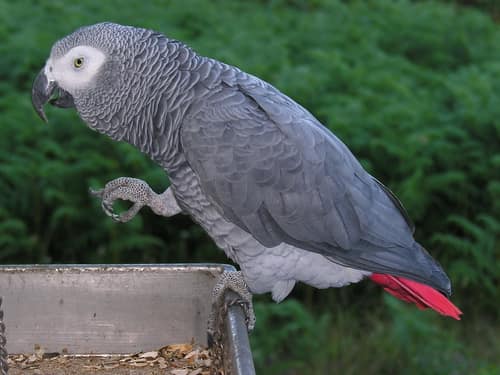
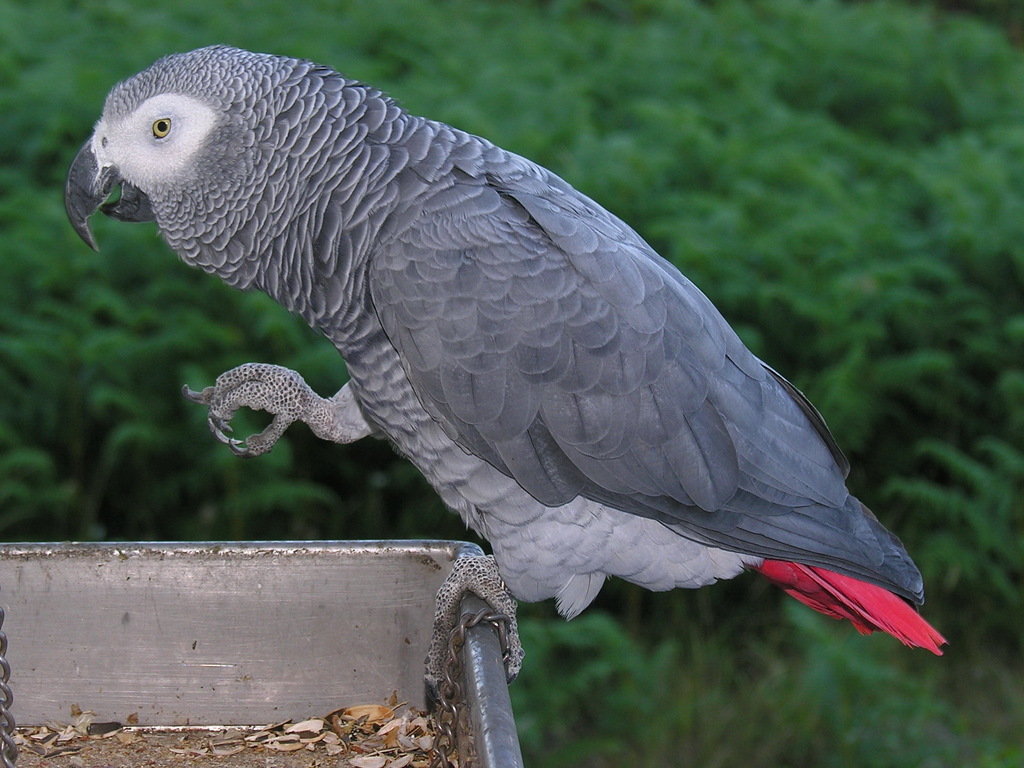
The Gray Parrot is a medium-sized African parrot with scalloped silver-gray plumage, bare white skin around the eye, a black bill, and a short brilliant red tail. Vocal flocks commute between forest roosts, canopy feeding trees, and mineral-rich ground.
Canopy ParrotRed TailHighly Vocal
 1 / 7
1 / 7—observations
—countries
—peak records
EndangeredConservation statusIUCN Red List categoriesLCNTVUENCREWEXEndangeredRed List categories, explained →
Diet & prey
- Palm nuts, seeds, fleshy plant foods, flowers, bark, and occasional cultivated crops
Predators
- Crowned Eagles
- Forest hawks
- Large snakes
ThreatsIllegal trapping for the pet trade, forest clearing, loss of large nest trees, hunting, and weak trade enforcement
HabitatsLowland rainforest, forest edge, mangroves, gallery forest, wooded savanna, farmland, and tall roost trees
Life spanA long-lived parrot capable of surviving for several decades
Size / weightNot available
Classification
- OrderPsittaciformes
- FamilyPsittacidae
- GenusPsittacus
- SpeciesPsittacus erithacus
Range data is not available yet.
Interaction riskLow
- Low
- Moderate
- High
- Very high
- Why interaction risk is low
- A frightened Gray Parrot can inflict a deep bill bite; keep distance and never handle wild birds.
- Why it is dangerous
- The large hooked bill can crush tissue and cause deep puncture wounds when a parrot is trapped, restrained, or defending itself.
- How to recognize a risky encounter
- Gray plumage, bare white facial skin, a black bill, and a short red tail identify adults at a safe distance.
- What to do
- Do not touch, capture, corner, or hand-feed a wild parrot; contact trained wildlife responders for an injured bird.
- What to notice
- Scalloped gray plumage, bare white facial skin, a black bill, and a short red tail distinguish adults.
- Support conservation
- Do not approach nests or roosts, disclose exact locations, engage trappers, or buy birds without verified legal captive-bred origin.
Responsible observation
- Tail: Confirm a short bright red tail against an otherwise gray bird.
- Flight: Watch commuting flocks from established clearings without following them to roosts.
- Privacy: Remove precise coordinates from nesting, roosting, and mineral-lick observations.
Help improve the field guideSomething wrong?
Checking your Fauna account…Report a name, category, or profile issue for review.