
Bird
Glossy Black Cockatoo
Calyptorhynchus lathamiAlso known as Glossy Black-Cockatoo, Casuarina Cockatoo
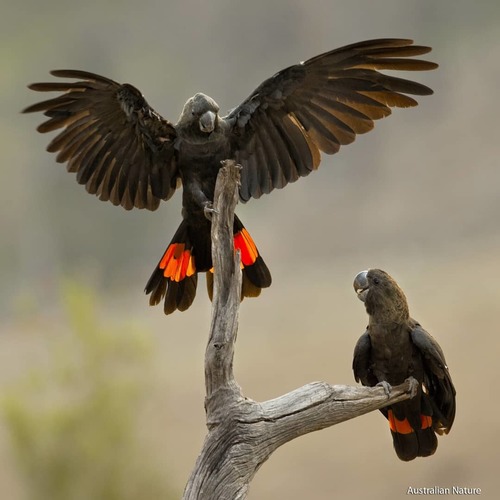
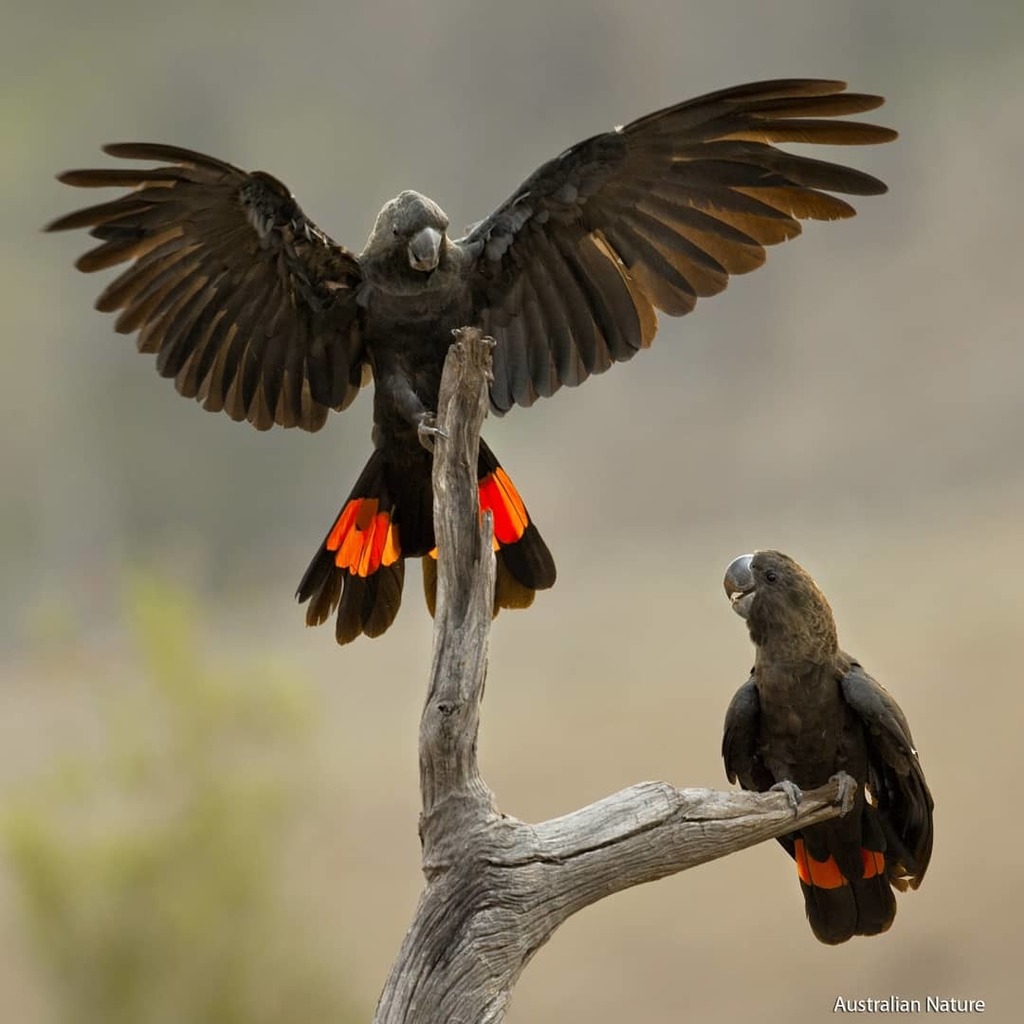
Glossy black cockatoos are dietary specialists that spend nearly their entire day methodically cracking open woody cones of sheoaks to extract individual seeds. Highly quiet and unobtrusive compared to other cockatoos, feeding pairs often go unnoticed until the continuous soft clicking of bills and falling debris betray their canopy perches. Monogamous pairs mate for life and rely on deep hollows in ancient eucalypts, producing just a single egg every two years.
ArborealSpecialist
—observations
—countries
—peak records
VulnerableConservation statusIUCN Red List categoriesLCNTVUENCREWEXVulnerableRed List categories, explained →
Diet & preyBlack Sheoak Seeds, Drooping Sheoak Seeds, Forest Sheoak Seeds
Predators
- Lace Monitor
- Powerful Owl
- Carpet Python
ThreatsBushfires, habitat clearing, loss of old-growth nesting hollows, and climate extremes
HabitatsEucalypt woodlands, coastal forests, and inland sheoak stands
Life span30–50 years
Classification
- FamilyPsittacidae
- SpeciesCalyptorhynchus lathami
Range data is not available yet.
Interaction riskLow
- Low
- Moderate
- High
- Very high
- Why interaction risk is low
- Safe to observe at a normal distance.
- What to notice
- Look for a dull black-brown plumage with bright red tail panels in males or yellow head patches in females.
- Support conservation
- Keep at least 30 meters away from feeding and nesting trees, keeping voices quiet to avoid causing them to flush.
Responsible observation
- Listen for clicks: Locate feeding birds by the steady sound of cracking cones and falling debris.
- Maintain distance: Avoid lingering near active tree hollows during the autumn and winter nesting season.
- Scan sheoaks: Check mature stands of Allocasuarina, where quiet pairs often feed unnoticed for hours.
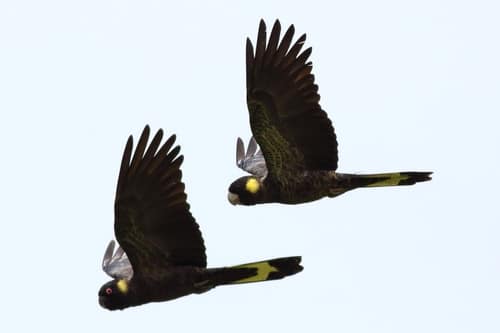
Ecological Neighbor (c) Frankzed, some rights reserved (CC BY) · cc-by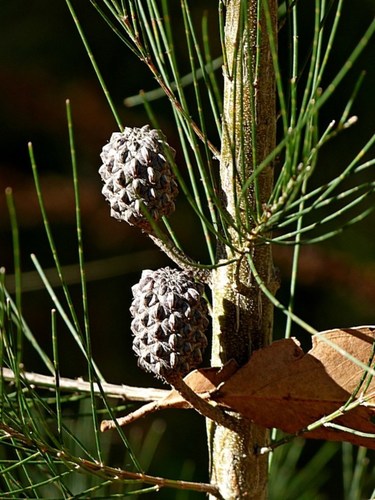
Host Plant (c) Max Campbell, some rights reserved (CC BY), uploaded by Max Campbell · cc-by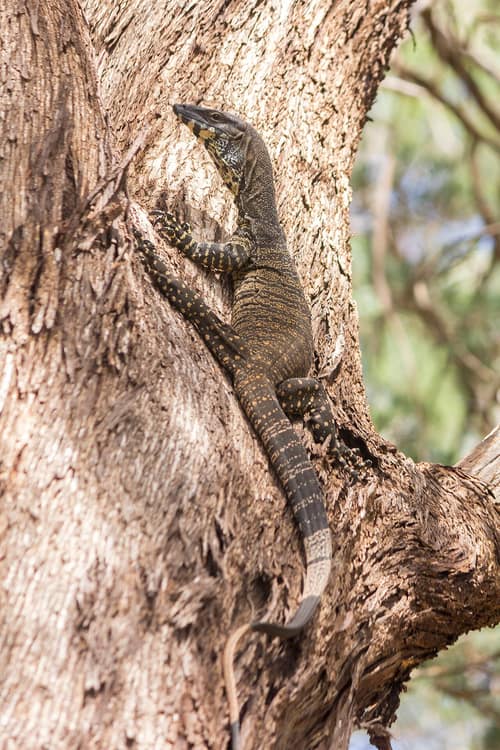
Predator Bidgee / CC BY-SA 3.0 au · cc-by-sa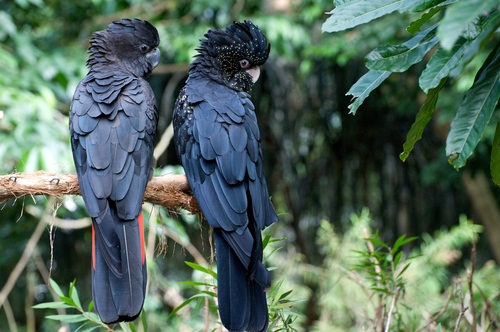
Close Relative (c) Michael Schmid, some rights reserved (CC BY) · cc-by
Help improve the field guideSomething wrong?
Checking your Fauna account…Report a name, category, or profile issue for review.