
Bird
Cockatiel
Nymphicus hollandicusAlso known as Weero, Quarrion, Cockatoo Parrot
Cockatiels roam the dry inland regions of Australia in vocal flocks, constantly on the move in search of fresh water and grass seeds. Their prominent erectile crests signal emotional state, rising when excited or alarmed and laying flat when relaxed or defensive. Highly social and nomadic, these small birds form lifelong monogamous pairs that nest in hollow trees near water sources.
NomadicVocalSocial


—observations
—countries
—peak records
Least ConcernConservation statusIUCN Red List categoriesLCNTVUENCREWEXLeast ConcernRed List categories, explained →
Diet & preyGrass seeds, Acacia seeds, Grains
Predators
- Falcons
- Hawks
- Feral Cats
ThreatsHabitat loss, prolonged drought, clearing of nesting trees
HabitatsArid and semi-arid inland Australia, open woodlands, scrublands, agricultural fields
Life span10–15 years in the wild; up to 20–25 years in captivity
Classification
- OrderPsittaciformes
- FamilyPsittacidae
- GenusNymphicus
- SpeciesNymphicus hollandicus
Range data is not available yet.
Interaction riskLow
- Low
- Moderate
- High
- Very high
- Why interaction risk is low
- Safe to observe at a normal distance.
Responsible observation
- Observe Vocalizations: Listen for distinct whistles and calls that signal flock communication.
- Look for Crest Movement: Watch the head crest to read mood, as raised feathers signal heightened alertness.
- Give Flocks Space: Maintain a respectful distance around foraging groups near water holes.

Co-occurring Species (c) http://www.comebirdwatching.blogspot.com/, some rights reserved (CC BY-SA) · cc-by-sa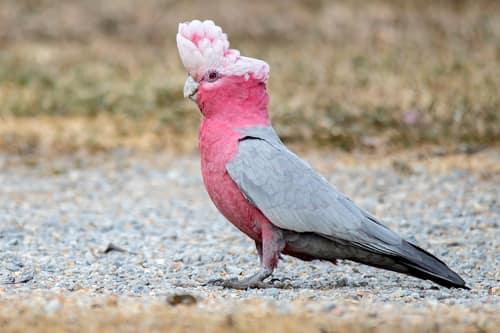
Close Relative (c) Andrew Allen, some rights reserved (CC BY), uploaded by Andrew Allen · cc-by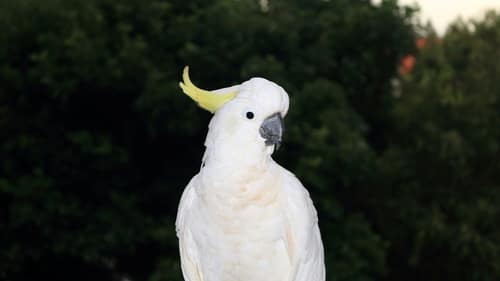
Family Relative (c) Hyme852052, some rights reserved (CC BY-SA) · cc-by-sa
Help improve the field guideSomething wrong?
Checking your Fauna account…Report a name, category, or profile issue for review.