
Bird
Meyer's Parrot
Poicephalus meyeriAlso known as Brown Parrot, Meyer's Brown Parrot
Meyer's parrots travel in pairs or small family groups across sub-Saharan African savannas, quietly searching tree canopies for seeds, pods, and native fruits. Breeding pairs select natural tree hollows or abandoned woodpecker nests, returning to the same roosts year after year. Subdued vocalizations and cryptic brownish body feathers make them easy to overlook despite their vibrant yellow shoulder patches.
Sub-SaharanCavity NesterSeed Eater
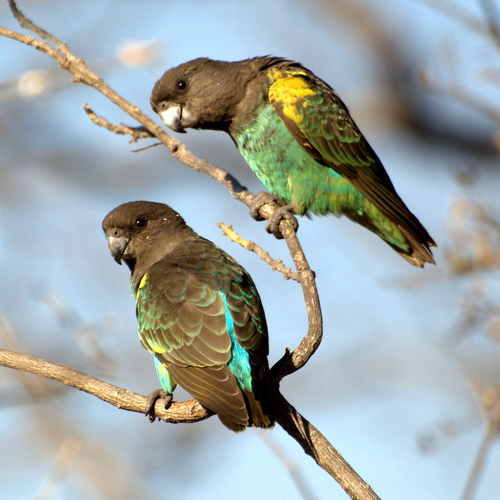
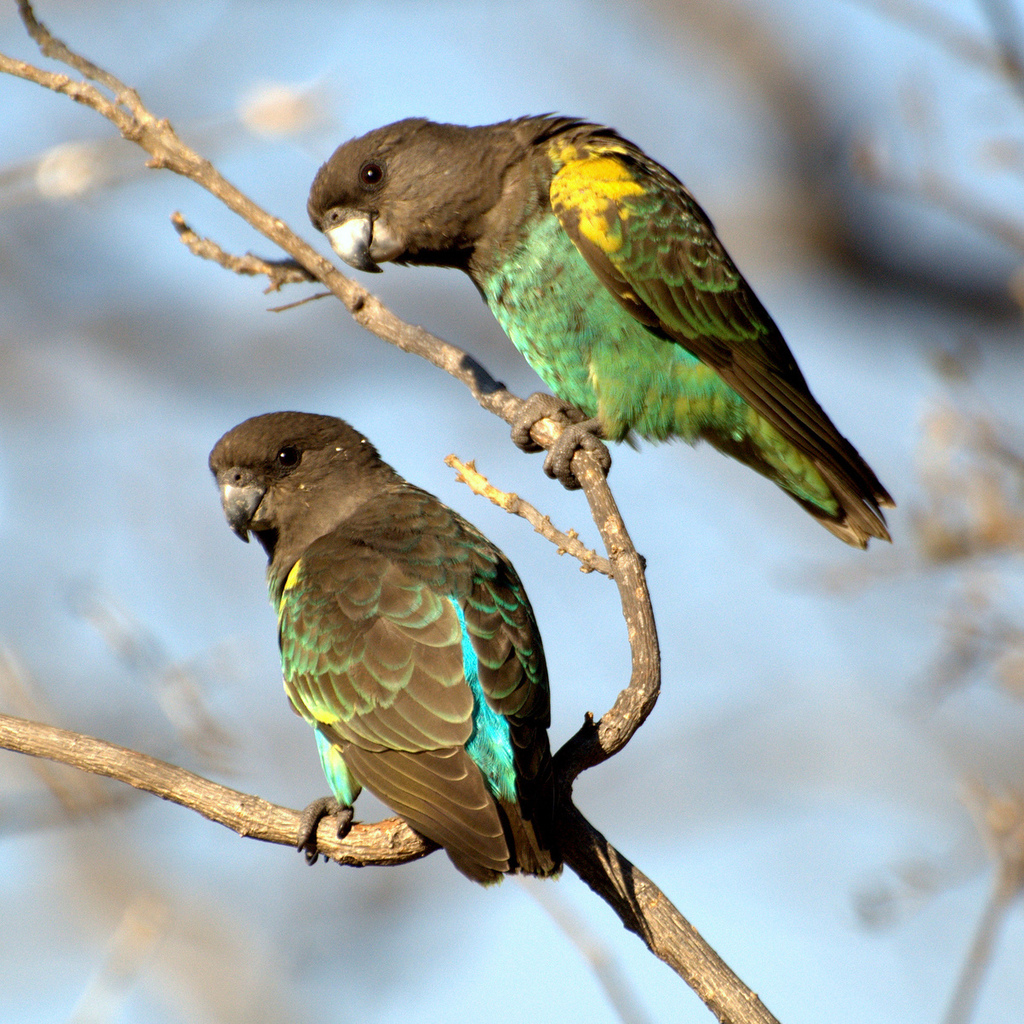
—observations
—countries
—peak records
Least ConcernConservation statusIUCN Red List categoriesLCNTVUENCREWEXLeast ConcernRed List categories, explained →
Diet & preySeeds, Tree Pods, Native Fruits
Predators
- Raptors
- Snakes
- Genets
ThreatsLocal habitat destruction, trapping for the pet trade
HabitatsSavanna woodlands, riverine forests, bushveld
Life span20–30 years
Classification
- OrderPsittaciformes
- FamilyPsittacidae
- GenusPoicephalus
- SpeciesPoicephalus meyeri
Range data is not available yet.
Interaction riskLow
- Low
- Moderate
- High
- Very high
- Why interaction risk is low
- Presents a bite risk if handled; observe wild birds from a respectful distance.
Responsible observation
- Locating Canopy Foragers: Scan the branches of fig and acacia trees where pairs often feed early in the morning.
- Recognizing Flight Patterns: Watch for fast, direct flight with rapid wingbeats low over open savanna landscapes.
- Maintaining Distance: Use binoculars or a telephoto lens to avoid startling pairs resting near nesting cavities.
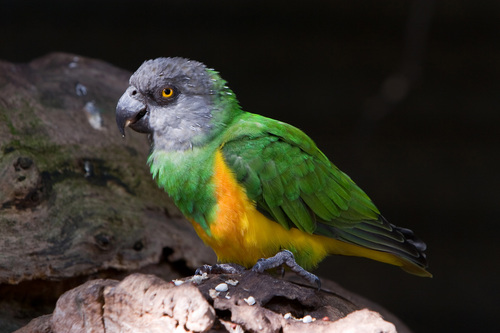
Close Relative (c) Arjan Haverkamp, some rights reserved (CC BY) · cc-by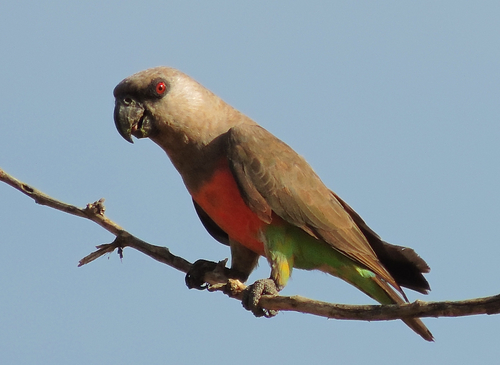
Close Relative (c) Donald Hampton, some rights reserved (CC BY-SA), uploaded by Donald Hampton · cc-by-sa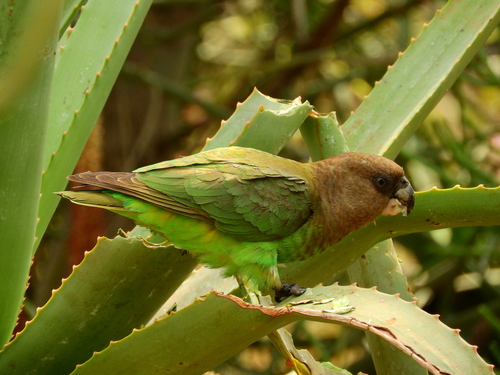
Close Relative (c) Noeleen du Toit, some rights reserved (CC BY-SA), uploaded by Noeleen du Toit · cc-by-sa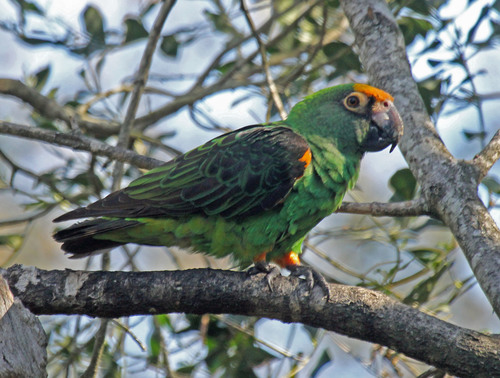
Close Relative (c) Dick Daniels, some rights reserved (CC BY-SA) · cc-by-sa
Help improve the field guideSomething wrong?
Checking your Fauna account…Report a name, category, or profile issue for review.