
Bird · GBIF taxon 2479898
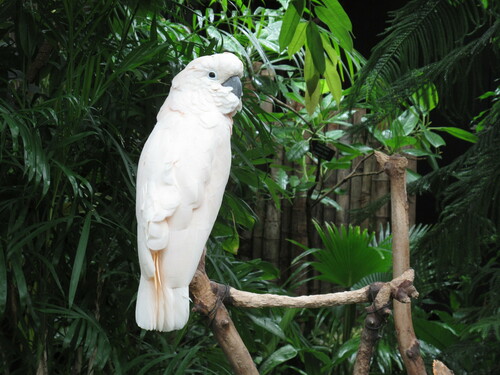
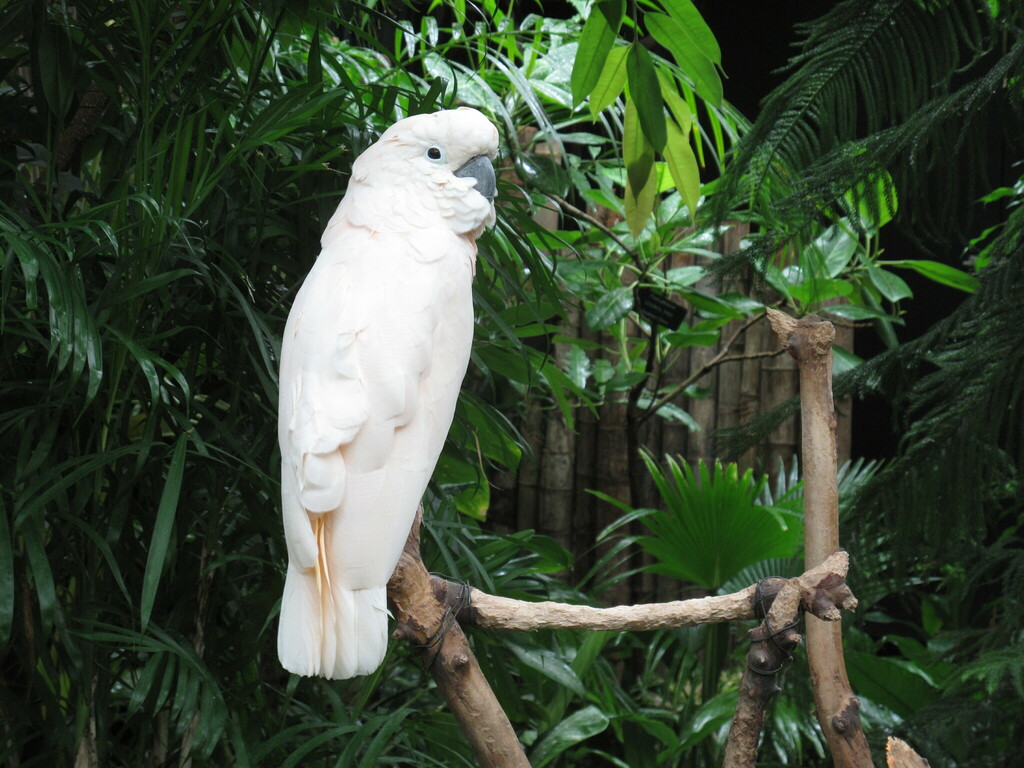
Salmon-crested Cockatoo
Cacatua moluccensisAlso known as Moluccan Cockatoo, Pink-Crested Cockatoo, Moluccan Crested Cockatoo
Salmon-crested cockatoos inhabit the dense tropical canopy of the Seram archipelago, where they form lifelong pair bonds and roost in high tree hollows. When alarmed or displaying, these social birds raise a spectacular flamingo-orange crest that contrasts brilliantly against their peach-blushed white feathers. Ear-splitting contact calls echo across the forest as pairs forage together for hard-shelled nuts, seeds, and fruits.
VocalRainforest
—observations
—countries
—peak records
EndangeredConservation statusIUCN Red List categoriesLCNTVUENCREWEXEndangeredRed List categories, explained →
Diet & prey
- Nuts
- Seeds
- Fruit
Predators
- Raptors
- Large tree pythons
ThreatsIllegal wildlife trade and habitat loss
HabitatsLowland tropical rainforests
Life span30–60 years
Size / weightNot available
Classification
- OrderPsittaciformes
- FamilyPsittacidae
- GenusCacatua
- SpeciesCacatua moluccensis
Range data is not available yet.
Interaction riskLow
- Low
- Moderate
- High
- Very high
- Why interaction risk is low
- Equipped with a powerful beak that can inflict severe bites; maintain a safe observation distance.
- Why it is dangerous
- Possesses an extraordinarily strong, hinged bill capable of crushing hard palm nuts, which can inflict severe crush wounds if cornered.
- How to recognize a risky encounter
- Recognizable by soft peach-tinted white body feathers paired with a black hooked bill and broad orange crest.
- What to do
- Never attempt to approach or handle wild birds; stay well clear to allow unhindered escape routes.
- What to notice
- Identified by large size, peach-tinged plumage, and a loud multi-tonal screaming call echoing from high canopy.
- Support conservation
- Keep nest locations private and maintain a distance that avoids flushing birds from critical tree cavities.
Responsible observation
- Canopy Observation: Scan high emerging rainforest trees early in the morning when pairs are most active.
- Auditory Spotting: Listen for ear-splitting screeching calls that reveal hidden foraging flocks.
- Ethical Distance: Use binoculars or long lenses to avoid disrupting sensitive nesting hollows.
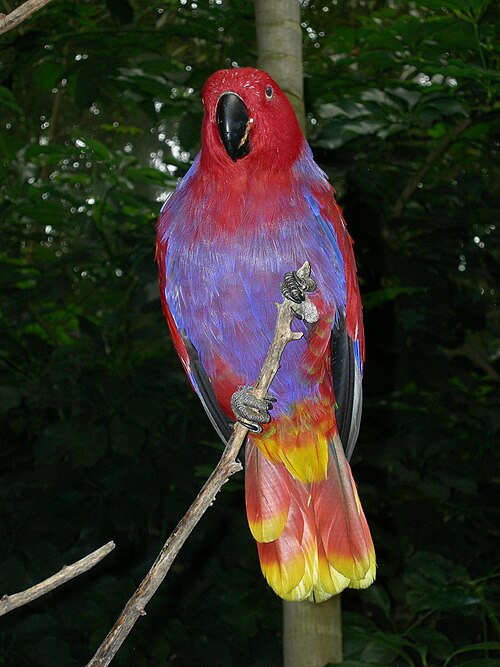
Frequent Companion Selena N. B. H. from Carrboro, USA / CC BY 2.0 · cc-by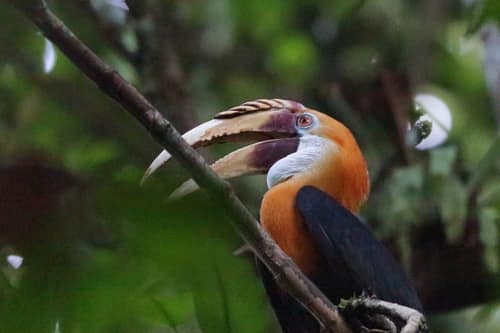
Competitor (c) Nigel Voaden, some rights reserved (CC BY) · cc-by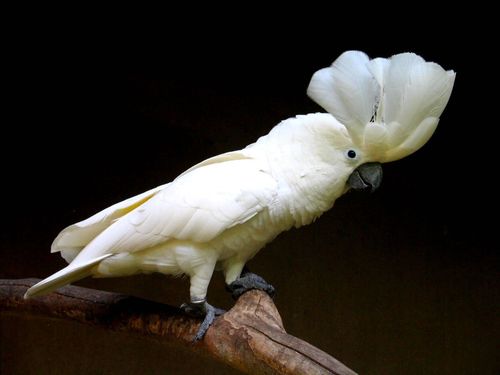
Close Relative (c) www.viajar24h.com, some rights reserved (CC BY) · cc-by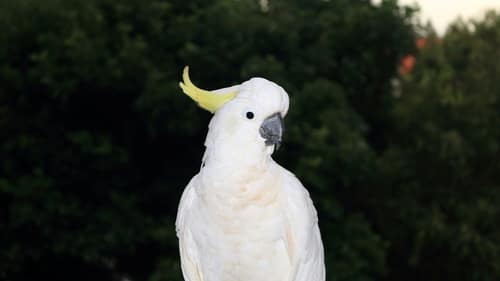
Close Relative (c) Hyme852052, some rights reserved (CC BY-SA) · cc-by-sa
Help improve the field guideSomething wrong?
Checking your Fauna account…Report a name, category, or profile issue for review.