
Bird · GBIF taxon 2479655
Cuban Amazon
Amazona leucocephalaAlso known as Cuban Parrot, Rose-throated Parrot, Bahama Parrot, Cayman Islands Parrot
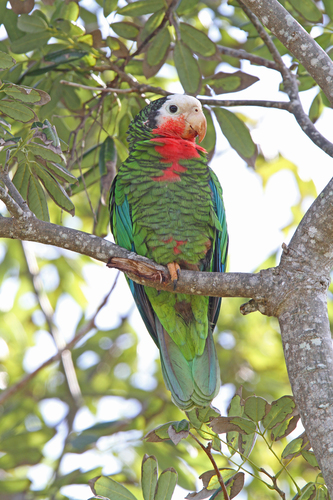
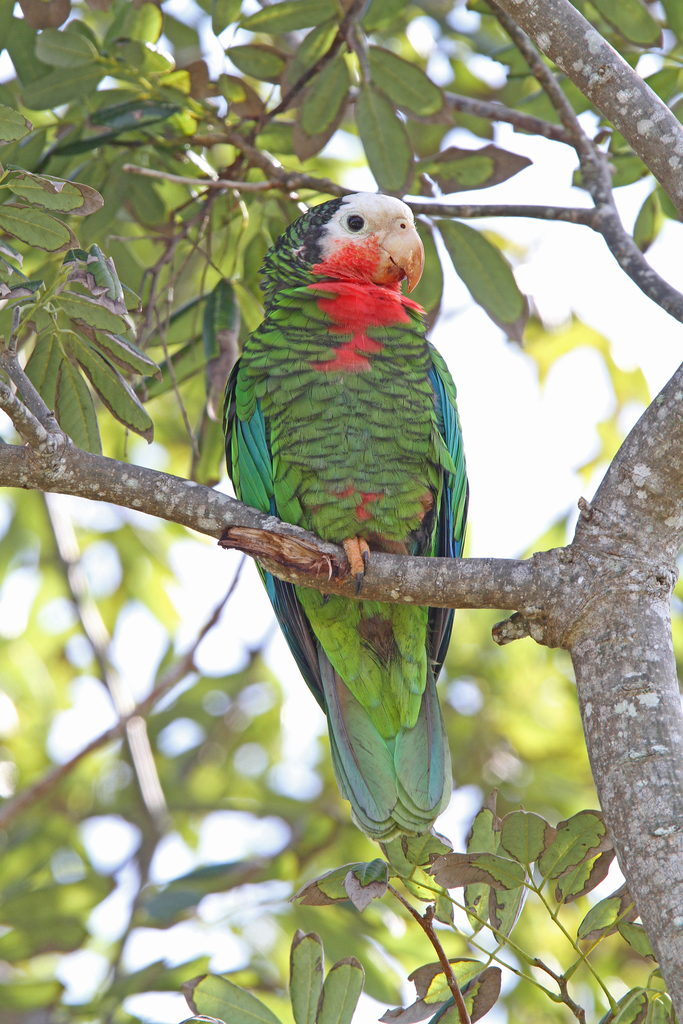
Vibrant green plumage, a crimson throat, and a stark white forehead distinguish these social parrots as they fly noisily across forest canopies in the northern Caribbean. Pairs form lifelong bonds, roosting together and utilizing natural tree cavities or erosion holes in limestone to nest each spring. Their loud screeching vocalizations resonate through pine yards and dry palm woodlands where they gather in flocks to feed on seeds and fruits.
SocialVocalTropical
 1 / 7
1 / 7—observations
—countries
—peak records
Near ThreatenedConservation statusIUCN Red List categoriesLCNTVUENCREWEXNear ThreatenedRed List categories, explained →
Diet & prey
- Pine seeds
- Palm fruits
- Acorns
Predators
- Boas
- Feral Cats
- Barn Owls
ThreatsHabitat loss, illegal trade poaching, nest tree removal
HabitatsDry forests, pine woodlands, palm groves, mangroves
Life span40–50 years
Classification
- OrderPsittaciformes
- FamilyPsittacidae
- GenusAmazona
- SpeciesAmazona leucocephala
Range data is not available yet.
Interaction riskLow
- Low
- Moderate
- High
- Very high
- Why interaction risk is low
- Capable of a strong bite if cornered; observe quietly from a distance.
- What to notice
- Look for green bodies, bright pink throats, white foreheads, and noisy flight displays over woodland foliage.
- Support conservation
- Keep a respectful distance from nest sites and avoid broadcast calls that stress breeding pairs.
Responsible observation
- Listen First: Track their whereabouts by listening for loud squawking calls in the forest canopy.
- Maintain Distance: Keep back from dead palm trees or limestone cavities where pairs may be nesting.
- Use Optics: Binoculars offer clear views of feeding behavior without disturbing high-perched flocks.
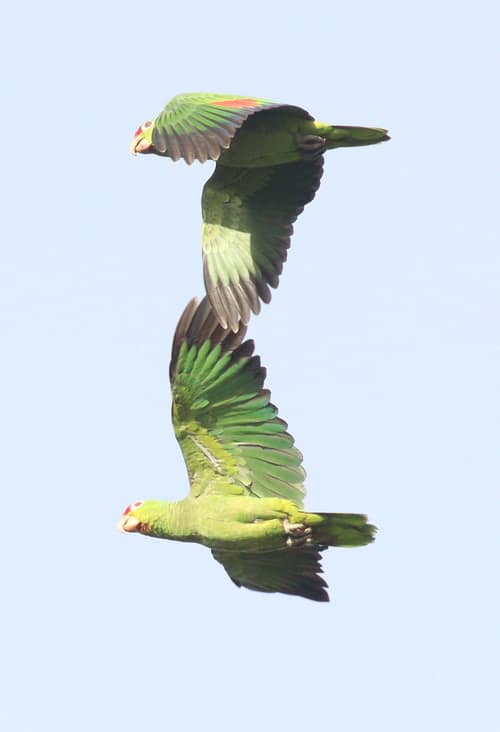
Genus Member (c) Jan Ebr & Ivana Ebrová, some rights reserved (CC BY), uploaded by Jan Ebr & Ivana Ebrová · cc-by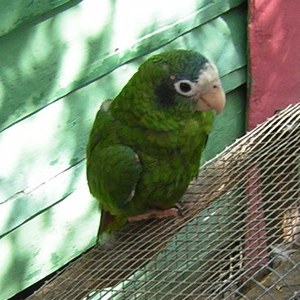
Close Relative (c) Snowmanradio, some rights reserved (CC BY) · cc-by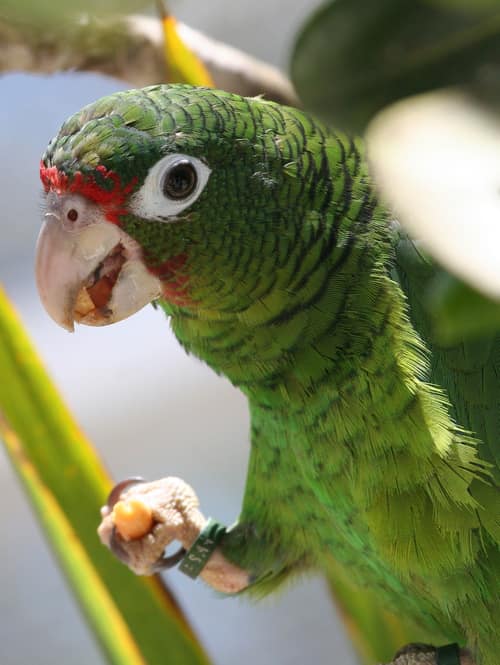
Close Relative (c) U.S. Fish and Wildlife Service Southeast Region, some rights reserved (CC BY) · cc-by
Help improve the field guideSomething wrong?
Checking your Fauna account…Report a name, category, or profile issue for review.