
Bird
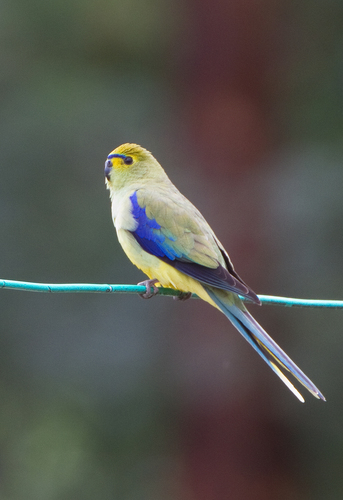
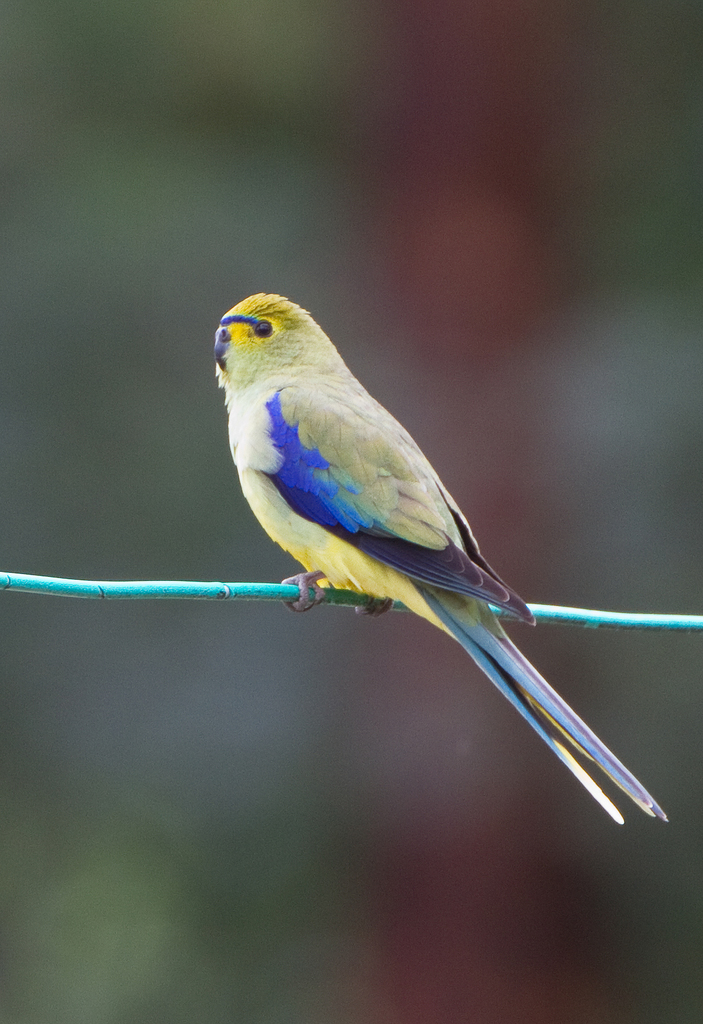
Blue-winged Parrot
Neophema chrysostomaAlso known as Blue-banded Parakeet, Blue-banded Grass-Parakeet
Blue-winged parrots spend much of their time foraging inconspicuously on the ground, blending into tussock grasslands and coastal heaths while picking at grass seeds. In spring, many embark on a remarkable migration across the treacherous waters of Bass Strait to breed in tree hollows across Tasmania. Their soft, tinkling twitter often gives away a feeding flock just before they burst into rapid, zig-zagging flight.
MigratoryGranivoreColorful
—observations
—countries
—peak records
VulnerableConservation statusIUCN Red List categoriesLCNTVUENCREWEXVulnerableRed List categories, explained →
Diet & preyWallaby grass seeds, Spear grass seeds, Saltbush fruit
Predators
- Feral cat
- Brown goshawk
- Red fox
ThreatsLand clearing, loss of nesting hollows, and predation by feral animals
HabitatsGrasslands, coastal dunes, heaths, open woodlands, and pastures
Life span10–15 years
Classification
- OrderPsittaciformes
- FamilyPsittacidae
- GenusNeophema
- SpeciesNeophema chrysostoma
Range data is not available yet.
Interaction riskLow
- Low
- Moderate
- High
- Very high
- Why interaction risk is low
- Safe to observe at a normal distance.
- What to notice
- Recognized by its olive-green body, deep blue outer wing covert patches, and a two-toned blue frontal facial band.
- Support conservation
- Maintain a generous viewing distance to prevent disturbing active nests or disrupting flocks while they feed.
Responsible observation
- Quiet Approach: Move slowly near open grassland edges, as these ground foragers flush easily into tree cover.
- Listen for Calls: Tune in for high-pitched, tinkling contact notes while scanning short grassy patches.
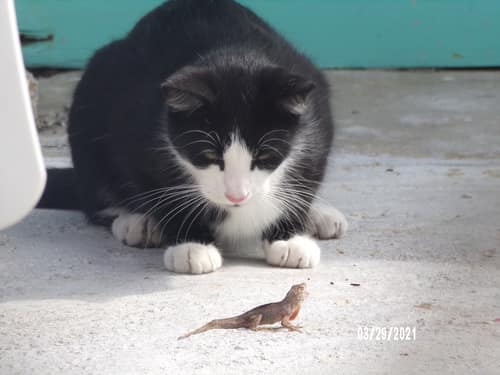
Predator (c) chloe ⋆˚꩜。, some rights reserved (CC BY-SA) · cc-by-sa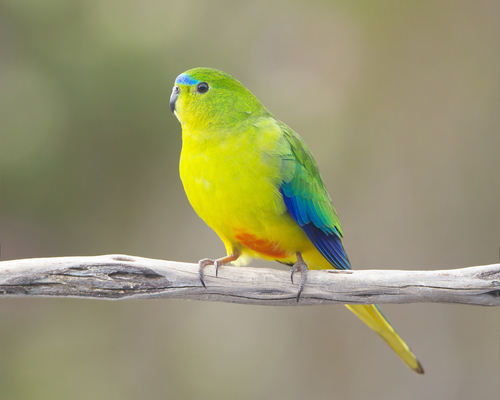
Close Relative (c) JJ Harrison (jjharrison89@facebook.com), some rights reserved (CC BY-SA) · cc-by-sa
Close Relative (c) Ron Knight, some rights reserved (CC BY) · cc-by
Close Relative (c) Patrick Connolly, some rights reserved (CC BY) · cc-by
Help improve the field guideSomething wrong?
Checking your Fauna account…Report a name, category, or profile issue for review.