
Bird
Orange-bellied Parrot
Neophema chrysogasterAlso known as Orange-bellied Grass Parrot
Orange-bellied Parrots undertake a remarkable annual migration across Bass Strait, breeding in the remote buttongrass moorlands of southwest Tasmania before flying north to winter along mainland Australia's coastal saltmarshes. They forage quietly on the ground or in low shrubs for seeds and berries, communicating with a distinctive, buzzing alarm call when flushed. Despite intensive captive-breeding and release programs, habitat loss and introduced predators have pushed this tiny parrot to the brink of extinction.
MigratoryColorful
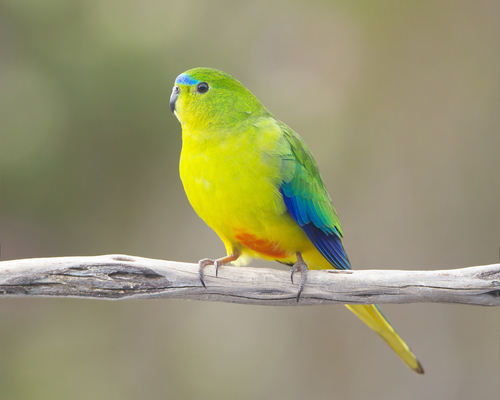
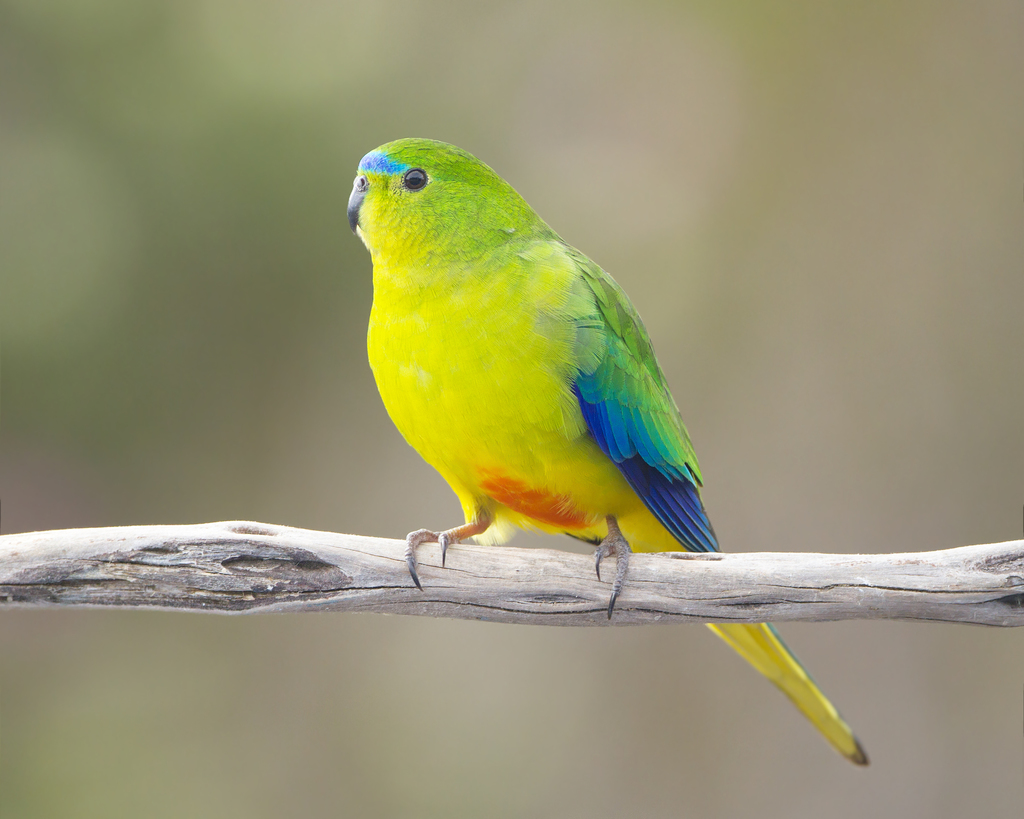
—observations
—countries
—peak records
Critically EndangeredConservation statusIUCN Red List categoriesLCNTVUENCREWEXCritically EndangeredRed List categories, explained →
Diet & preySaltmarsh seeds, Buttongrass seeds, Coastal berries
Predators
- Red Fox
- Feral Cat
- Brown Falcon
ThreatsHabitat loss and degradation, invasive weeds, introduced predators, small population size, and climate change
HabitatsCoastal saltmarshes, dunes, heathlands, and buttongrass moorlands in southern Australia and Tasmania
Life span5–10 years in the wild
Classification
- OrderPsittaciformes
- FamilyPsittacidae
- GenusNeophema
- SpeciesNeophema chrysogaster
Range data is not available yet.
Interaction riskLow
- Low
- Moderate
- High
- Very high
- Why interaction risk is low
- Safe to observe from a distance.
- What to notice
- Look for a small, bright grass-green parrot with a two-toned blue forehead band, blue outer wing edges, and a distinct orange patch on a yellow belly.
- Support conservation
- Observe strictly from designated hides or paths using optics, avoid flushing foraging flocks, and keep dogs away from coastal saltmarsh habitats.
Responsible observation
- Viewing Distance: Keep well back from saltmarsh foraging sites and use binoculars or a spotting scope.
- Nesting Etiquette: Never approach breeding hollows in southwest Tasmania during the summer nesting season.
- Sightings: Report any wild sightings to Australian wildlife authorities to aid population monitoring.
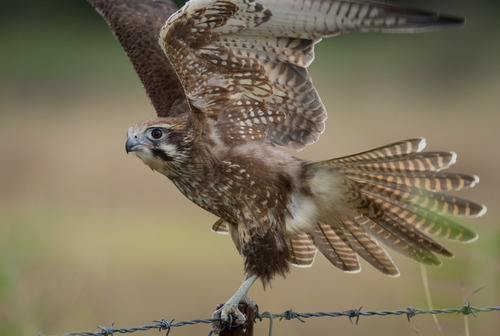
Predator (c) Kerri-Lee Harris, some rights reserved (CC BY) · cc-by Image unavailable
Forage Plant 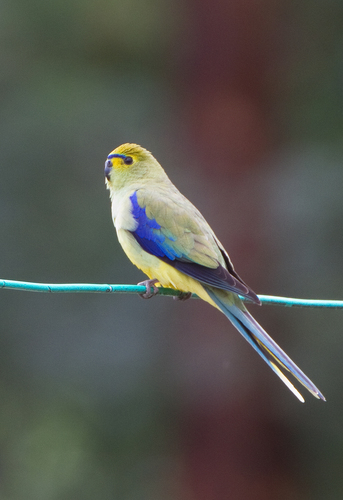
Close Relative (c) JJ Harrison, some rights reserved (CC BY-SA) · cc-by-sa
Close Relative (c) Ron Knight, some rights reserved (CC BY) · cc-by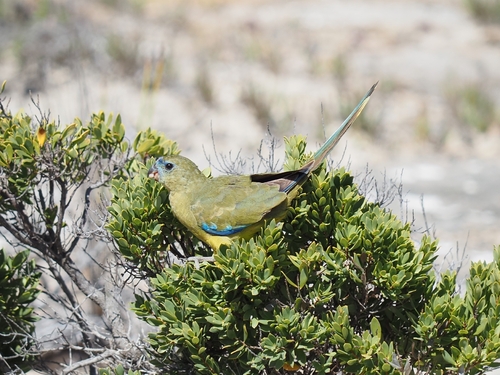
Close Relative (c) David Gobbett, some rights reserved (CC BY) · cc-by
Help improve the field guideSomething wrong?
Checking your Fauna account…Report a name, category, or profile issue for review.