
Bird · GBIF taxon 2479449
Carolina Parakeet
Conuropsis carolinensisAlso known as Carolina Conure, Carolinian Parakeet
Carolina parakeets roamed eastern North America in noisy, cohesive flocks, frequently roosting together tightly packed inside hollow trees of mature bottomland swamps. Their strong flock bonds proved catastrophic when targeted by hunters and farmers, as uninjured birds consistently circled back to attend fallen flockmates rather than fleeing. By devouring toxic cocklebur seeds, their tissues absorbed bitter alkaloids that reportedly rendered their bodies poisonous to domestic cats and other predators.
SocialColorful
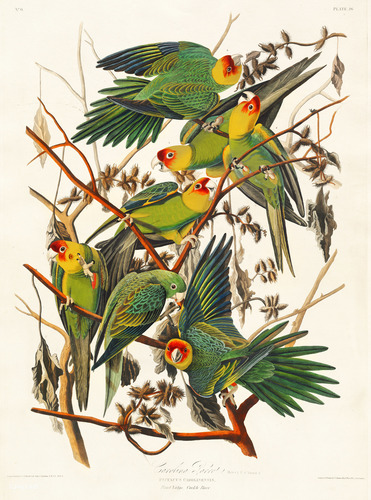
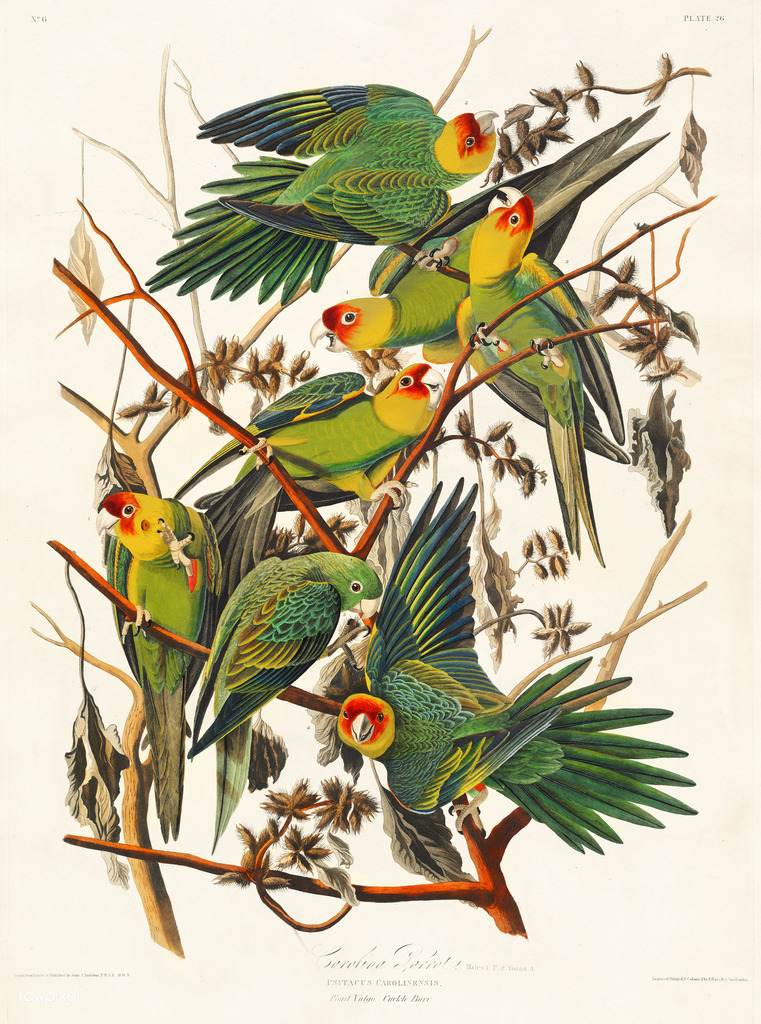
Licensed reference(c) Rawpixel Ltd, some rights reserved (CC BY) · cc-by
—observations
—countries
—peak records
ExtinctConservation statusIUCN Red List categoriesLCNTVUENCREWEXExtinctRed List categories, explained →
Diet & prey
- Cocklebur seeds
- Bald cypress seeds
- Beechnuts
Predators
- Cooper's Hawk
- Red-shouldered Hawk
- Peregrine Falcon
ThreatsOverhunting, deforestation, pet trade, and potential poultry diseases
HabitatsOld-growth bottomland hardwood forests, swamps, and river valleys
Life spanUp to 30 years in captivity; unknown in the wild
Size / weightNot available
Classification
- OrderPsittaciformes
- FamilyPsittacidae
- GenusConuropsis
- SpeciesConuropsis carolinensis
Range data is not available yet.
Interaction riskLow
- Low
- Moderate
- High
- Very high
- Why interaction risk is low
- Extinct species; observable only as museum specimens.
Responsible observation
- Museum Study: View preserved study skins and mounts in major natural history museums to study plumage.
- Habitat Conservation: Support protection of old-growth swamp forests where these birds once thrived.
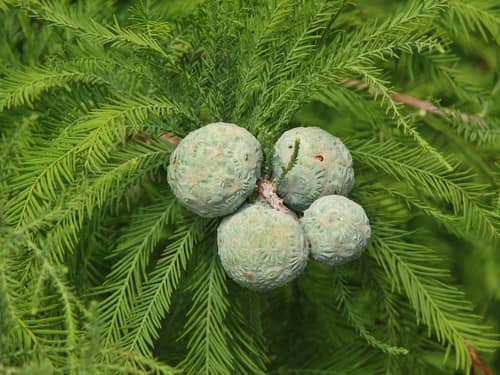
Host Plant (c) Annika Lindqvist, some rights reserved (CC BY), uploaded by Annika Lindqvist · cc-by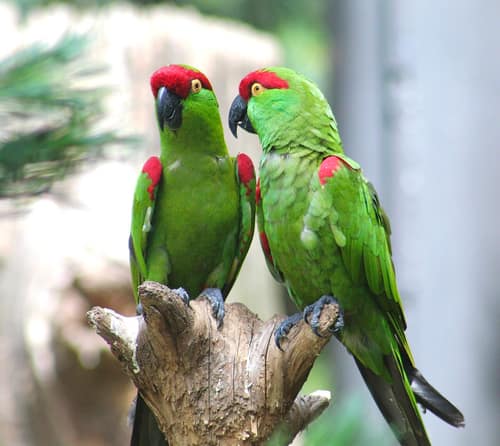
Native Relative JavAlvarezS / CC BY-SA 4.0 · cc-by-sa
Close Relative (c) Artur Alves, some rights reserved (CC BY) · cc-by
Help improve the field guideSomething wrong?
Checking your Fauna account…Report a name, category, or profile issue for review.