
Bird
Hahn's Macaw
Diopsittaca nobilisAlso known as Red-shouldered Macaw, Noble Macaw
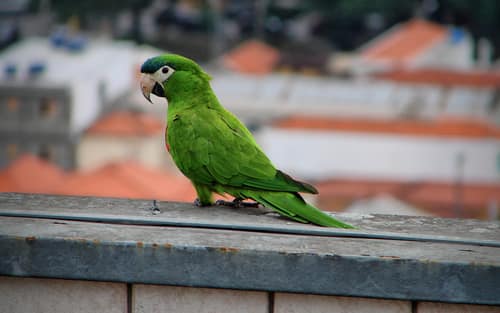
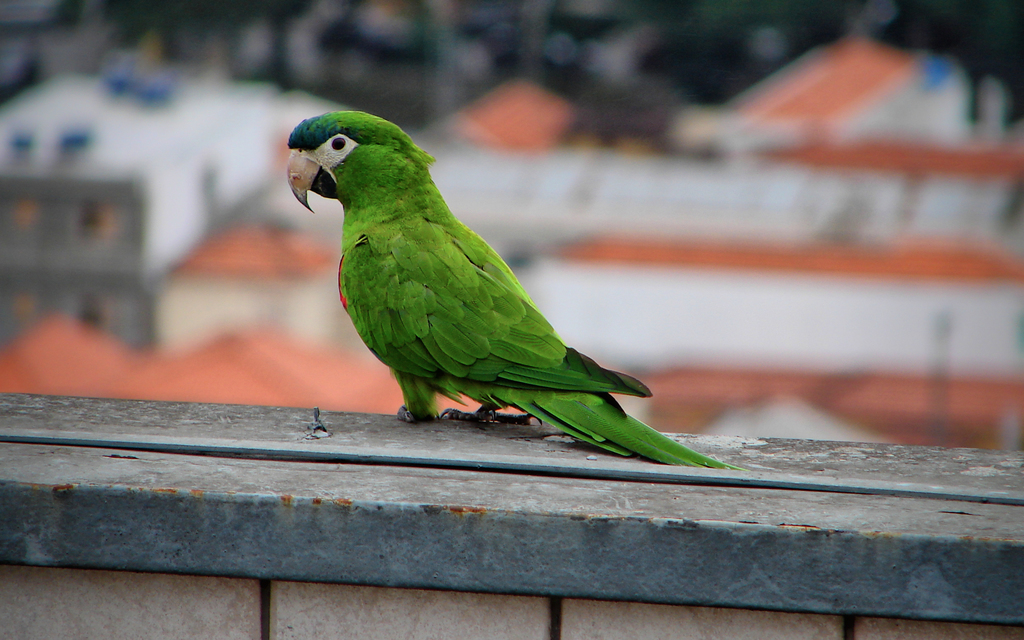
Hahn's macaws are energetic, highly social parrots that travel in noisy flocks through the South American canopy, flashing brilliant red underwing feathers in flight. These miniature macaws use their powerful beaks to crack tough palm nuts and excavate nesting cavities in dead trees. Their loud, grating screeches keep the flock coordinated as they forage for seasonal fruits and seeds across the savannah.
SocialVocalArboreal
—observations
—countries
—peak records
Least ConcernConservation statusIUCN Red List categoriesLCNTVUENCREWEXLeast ConcernRed List categories, explained →
Diet & preyPalm fruits, Seeds, Flowers
Predators
- Harpy eagles
- Large snakes
- Monkeys
ThreatsHabitat loss, deforestation, and the illegal pet trade
HabitatsTropical lowlands, savannahs, swamplands, and gallery forests
Life span25 to 30 years in the wild
Classification
- FamilyPsittacidae
- SpeciesDiopsittaca nobilis
Range data is not available yet.
Interaction riskLow
- Low
- Moderate
- High
- Very high
- Why interaction risk is low
- Capable of delivering a painful bite if cornered; observe wild birds from a respectful distance.
- Why it is dangerous
- Possesses a powerful, crushing beak designed for cracking hard nuts, which can inflict deep puncture wounds.
- How to recognize a risky encounter
- Look for a small green parrot with bright red underwing coverts and a bare white patch of skin around the eyes.
- What to do
- Never attempt to handle wild parrots; if an injured bird is found, contact a licensed wildlife rehabilitator.
Responsible observation
- Listen for calls: Locate them by listening for their harsh, screeching contact calls echoing through the canopy.
- Scan palm trees: Look for pairs nesting or feeding in dead palm cavities, especially near water.
- Keep your distance: Use binoculars to watch their social interactions without disrupting their feeding patterns.
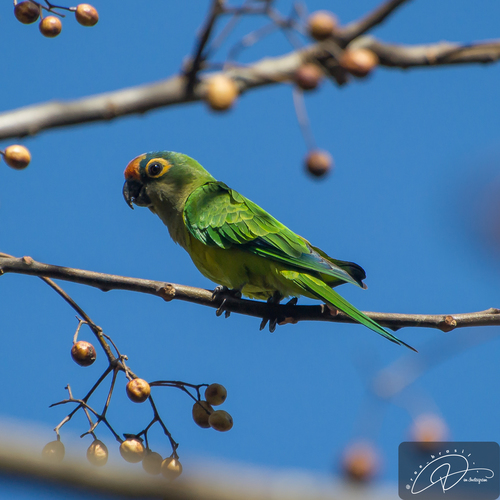
Frequent Companion (c) Reinaldo de Oliveira Elias, some rights reserved (CC BY), uploaded by Reinaldo de Oliveira Elias · cc-by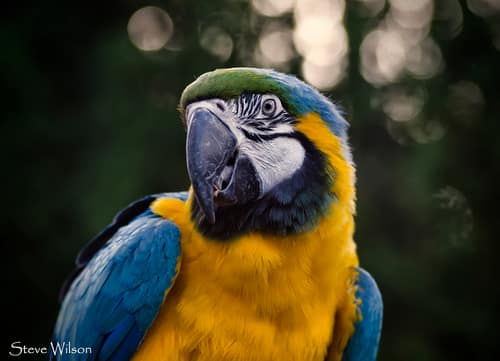
Close Relative "Blue and Yellow Macaw" by Steve Wilson - over 10 million views Thanks !! is licensed under CC BY 2.0. To view a copy of this license, visit https://creativecommons.org/licenses/by/2.0/. · cc-by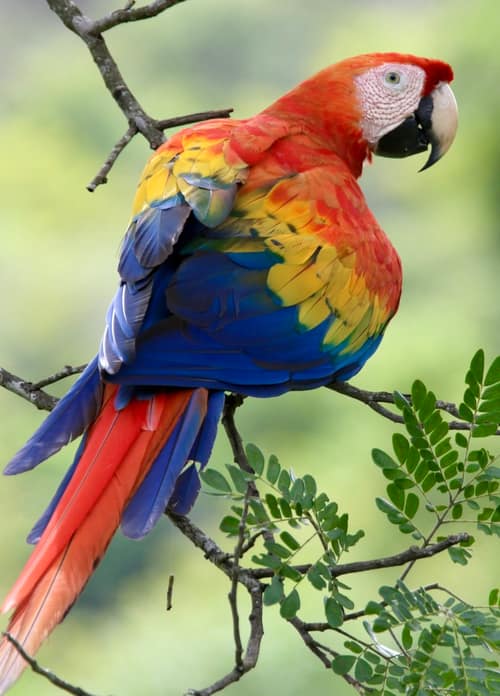
Close Relative (c) Cricket Raspet, some rights reserved (CC BY), uploaded by Cricket Raspet · cc-by
Help improve the field guideSomething wrong?
Checking your Fauna account…Report a name, category, or profile issue for review.