
Bird
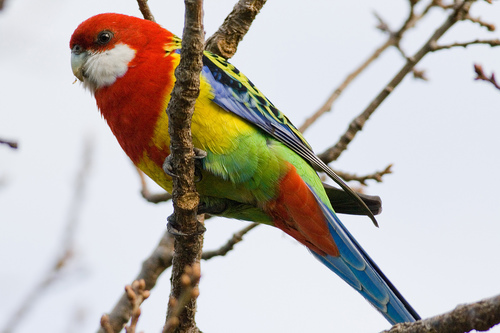
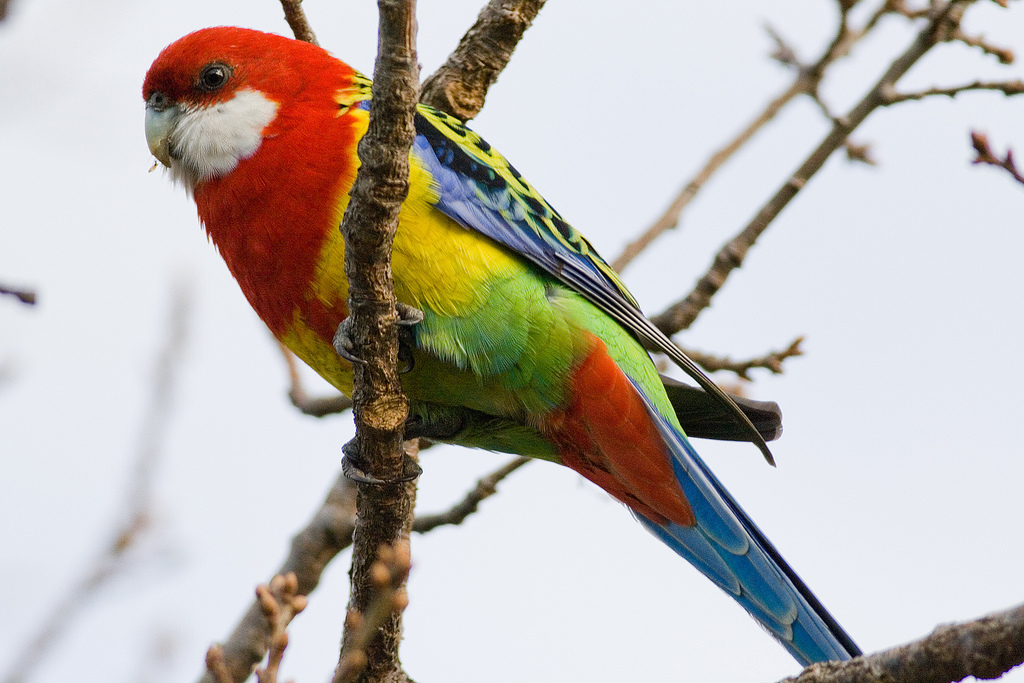
Eastern Rosella
Platycercus eximiusAlso known as Rosehill Parakeet
Eastern rosellas are unmistakable, brightly plumaged parrots with a crimson head and breast, crisp white cheek patches, and scalloped yellow-and-black feathers across the back. Pairs and small flocks spend much of the day foraging on the ground in open woodlands, farmlands, and suburban parks, taking flight in an undulating sweep while calling with a metallic 'kink-kink' whistle. During the breeding season, females incubate clutches inside eucalyptus tree hollows while males stand guard nearby and bring food to the nest.
ColorfulDiurnalGranivorous
—observations
—countries
—peak records
Least ConcernConservation statusIUCN Red List categoriesLCNTVUENCREWEXLeast ConcernRed List categories, explained →
Diet & preyGrass seeds, Eucalyptus seeds, Orchard fruits
Predators
- Peregrine Falcon
- Brown Goshawk
- Feral Cat
ThreatsLoss of hollow-bearing trees, competition from introduced birds, and illegal trapping
HabitatsOpen eucalyptus woodlands, grasslands, farmlands, orchards, and urban parks
Life span10–15 years in the wild; up to 25 years in captivity
Classification
- OrderPsittaciformes
- FamilyPsittacidae
- GenusPlatycercus
- SpeciesPlatycercus eximius
Range data is not available yet.
Interaction riskLow
- Low
- Moderate
- High
- Very high
- Why interaction risk is low
- Wild birds can deliver a painful, skin-breaking bite if handled; observe from a comfortable distance.
Responsible observation
- Listening: Listen for a crisp, metallic 'kink-kink' flight call or soft chattering in the canopy.
- Foraging: Scan grassy clearings and mown parklands in the morning when flocks feed on the ground.
- Nesting Etiquette: Keep well back from occupied tree hollows in spring so adults can feed chicks undisturbed.
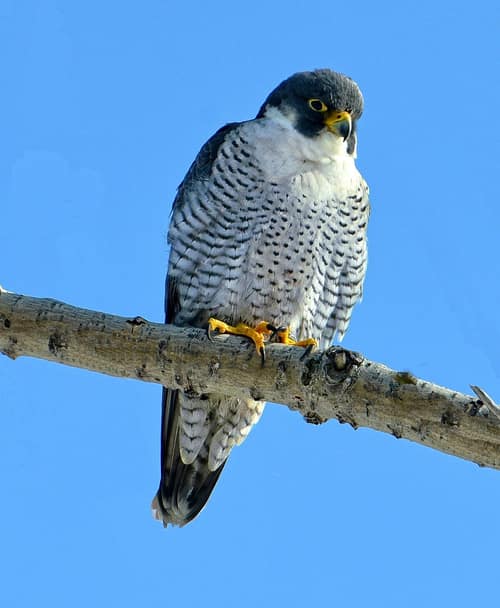
Predator Mykola Swarnyk / CC BY-SA 3.0 · cc-by-sa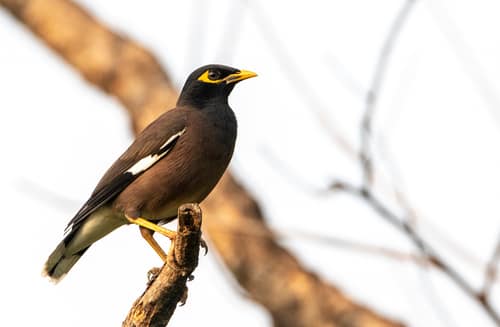
Competitor (c) David F. Belmonte, some rights reserved (CC BY), uploaded by David F. Belmonte · cc-by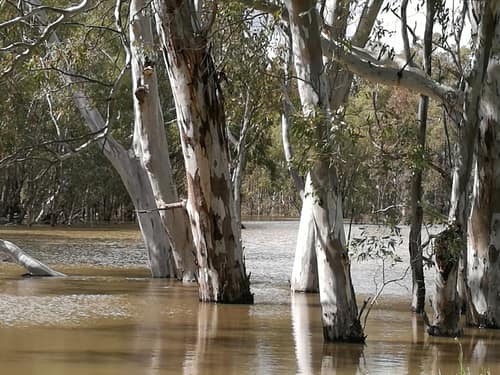
Nest Host (c) MargaretRDonald, some rights reserved (CC BY-SA) · cc-by-sa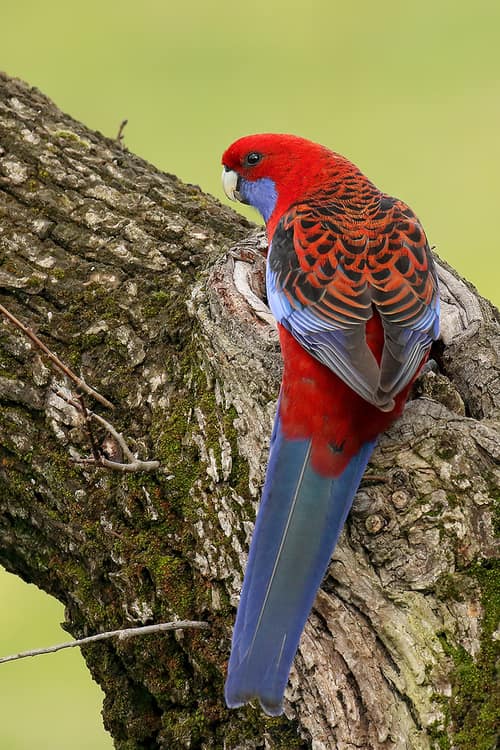
Close Relative (c) patrickkavanagh, some rights reserved (CC BY) · cc-by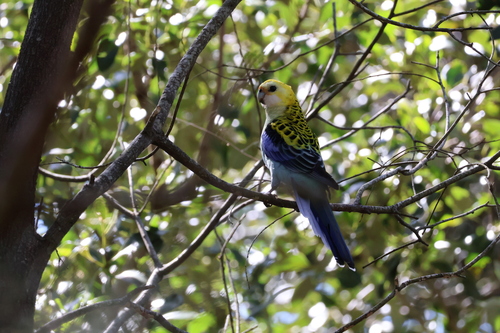
Close Relative (c) Patrick Connolly, some rights reserved (CC BY) · cc-by
Help improve the field guideSomething wrong?
Checking your Fauna account…Report a name, category, or profile issue for review.