
Bird · GBIF taxon 2479106
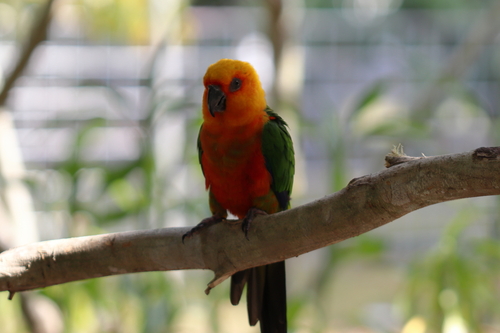
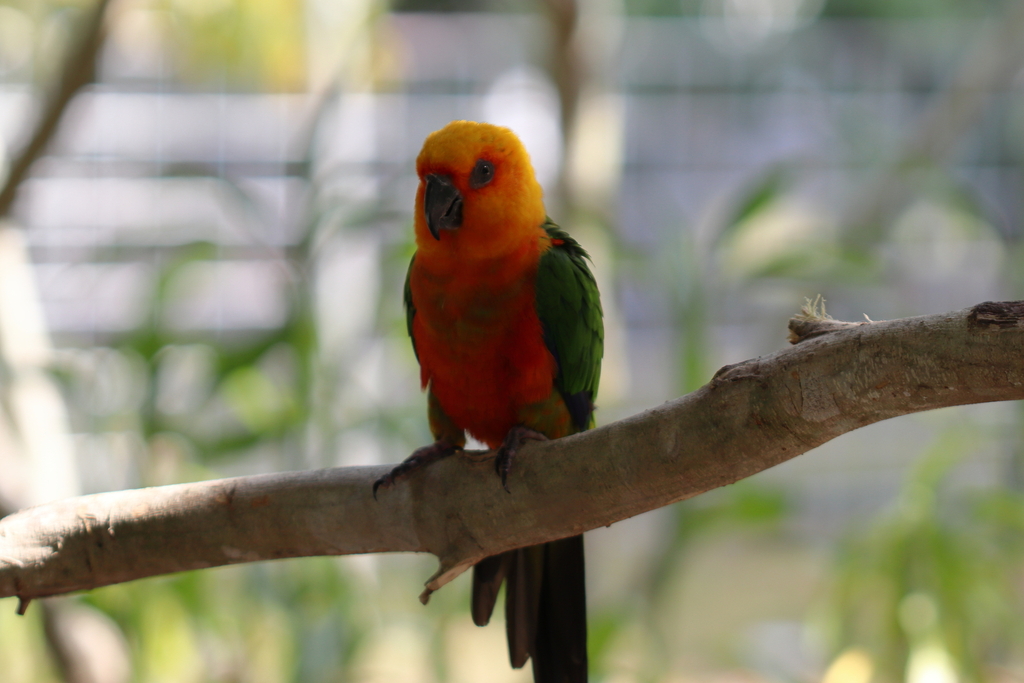
Jandaya Parakeet
Aratinga jandayaAlso known as Jenday Conure, Jandaya Conure, Yellow-headed Parakeet
Jandaya parakeets are social, highly vocal birds that travel in boisterous family flocks of a dozen or more through the canopies of northeastern Brazil. Mated pairs form enduring lifelong bonds, spending hours mutually preening crowns and roosting tightly pressed together inside hollow tree cavities. Their raucous screeching calls maintain flock cohesion across dense vegetation as they commute between communal roosts and fruiting trees.
FlockingVibrantTree-Dwelling
 1 / 7
1 / 7—observations
—countries
—peak records
Least ConcernConservation statusIUCN Red List categoriesLCNTVUENCREWEXLeast ConcernRed List categories, explained →
Diet & prey
- Palm fruits
- Wild tree seeds
- Cultivated maize
Predators
- Bicolored Hawk
- Boa Constrictor
- Margay
ThreatsHabitat loss from agricultural clearing and trapping for the cage-bird trade
HabitatsDeciduous woodlands, caatinga, gallery forests, and forest edges
Life span20–30 years
Size / weightNot available
Classification
- FamilyPsittacidae
- SpeciesAratinga jandaya
Range data is not available yet.
Interaction riskLow
- Low
- Moderate
- High
- Very high
- Why interaction risk is low
- Can deliver a painful defensive bite if cornered; observe peacefully from a distance.
- Why it is dangerous
- The powerful hooked beak is adapted for cracking hard palm nuts and can deliver a severe crushing bite.
- How to recognize a risky encounter
- Recognizable by the radiant golden-yellow head and neck, fiery orange belly, green wings, and stout black beak.
- What to do
- Never attempt to grab, corner, or handle wild or grounded birds, allowing them space to retreat freely.
Responsible observation
- Spotting Flocks: Listen for sharp screeching calls echoing through the canopy before scanning the tops of fruiting trees.
- Viewing Distance: Maintain a distance of at least 15 meters to prevent startling birds near active nesting cavities.
- Field Photography: Use a telephoto lens during early morning hours when flocks forage along sunny woodland edges.
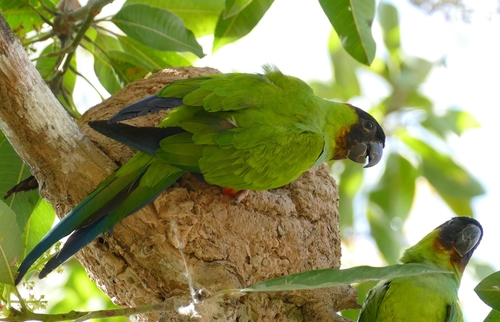
Same Genus (c) Bernard DUPONT, some rights reserved (CC BY-SA) · cc-by-sa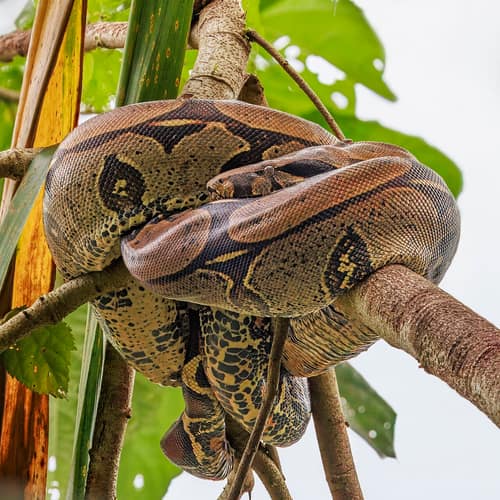
Predator Charles J. Sharp / CC BY-SA 4.0 · cc-by-sa
Close Relative (c) Artur Alves, some rights reserved (CC BY) · cc-by Image unavailable
Close Relative 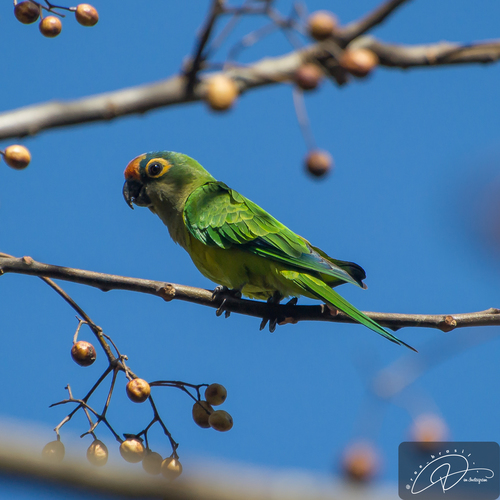
Same Family (c) Reinaldo de Oliveira Elias, some rights reserved (CC BY), uploaded by Reinaldo de Oliveira Elias · cc-by
Help improve the field guideSomething wrong?
Checking your Fauna account…Report a name, category, or profile issue for review.