
Bird · GBIF taxon 2478523
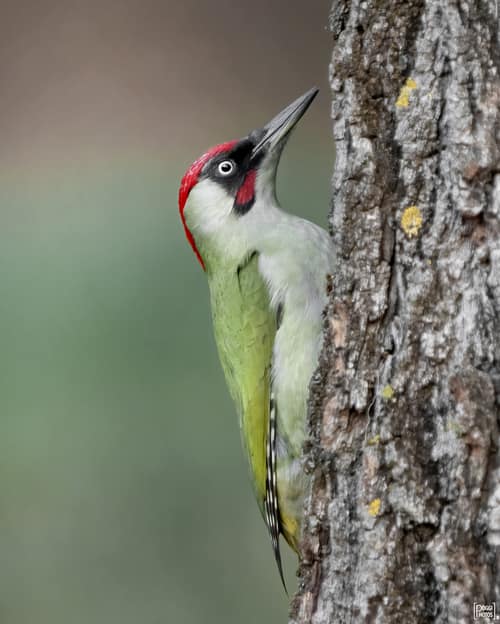
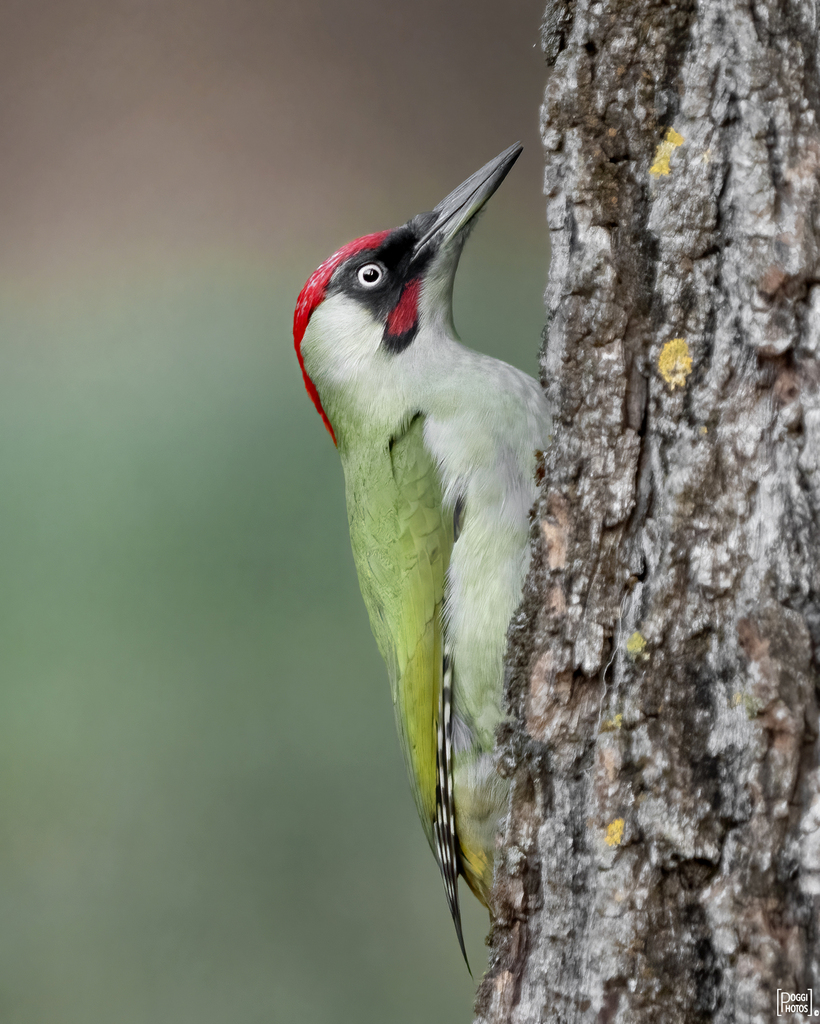
European Green Woodpecker
Picus viridisAlso known as Yaffle, Nickle, Rainbird
European green woodpeckers spend more time foraging on the ground than almost any other European woodpecker, using their long, sticky tongues to probe ant nests in undisturbed grasslands and lawns. Their loud, ringing call resembles a burst of human laughter, a sound that earned them the traditional English nickname 'yaffle.' Nest cavities are excavated inside mature trees, providing essential roosting and breeding shelters that later benefit various owls, bats, and small mammals.
BirdAnt SpecialistGround Forager
 1 / 7
1 / 7—observations
—countries
—peak records
Least ConcernConservation statusIUCN Red List categoriesLCNTVUENCREWEXLeast ConcernRed List categories, explained →
Diet & prey
- Yellow Meadow Ant
- Red Wood Ant
- Beetle Larvae
Predators
- Eurasian Sparrowhawk
- Northern Goshawk
- Red Fox
ThreatsAgricultural intensification, pesticide use reducing ant numbers, and removal of mature nest trees
HabitatsDeciduous woodlands, parks, old orchards, pastures, and large gardens
Life span7–12 years
Size / weightNot available
Classification
- FamilyPicidae
- SpeciesPicus viridis
Range data is not available yet.
Interaction riskLow
- Low
- Moderate
- High
- Very high
- Why interaction risk is low
- Safe to observe at a normal distance.
Responsible observation
- Listen for calls: Listen for its loud, laughing yaffle call echoing across open woodland or large lawns.
- Scan short grass: Look for green plumage contrast on manicured grass where birds dig into ant mounds.
- Observe quietly: Stay still when spotting one on the ground, as they flush easily when approached.
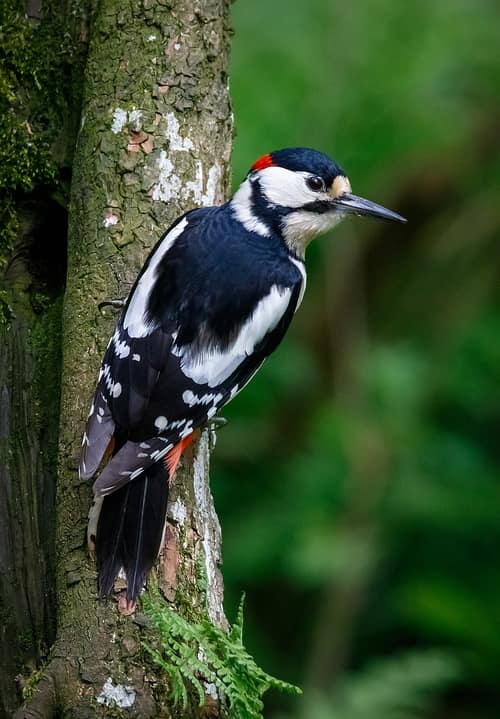
Habitat Competitor Gerry Zambonini / CC BY-SA 2.0 · cc-by-sa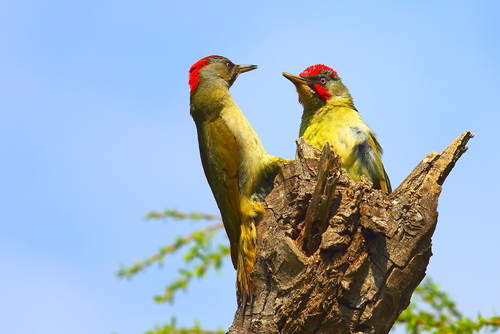
Close Relative (c) Carles Pastor, some rights reserved (CC BY-SA), uploaded by Carles Pastor · cc-by-sa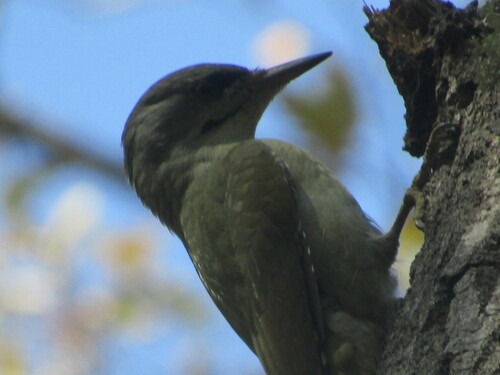
Close Relative (c) SteveM4560, some rights reserved (CC BY) · cc-by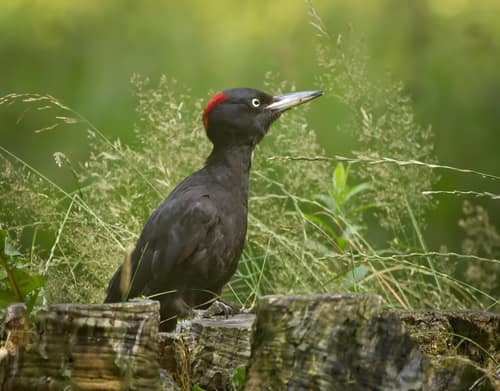
Family Member (c) hedera.baltica, some rights reserved (CC BY-SA) · cc-by-sa
Help improve the field guideSomething wrong?
Checking your Fauna account…Report a name, category, or profile issue for review.