
Bird · GBIF taxon 2476001
Yellow-casqued Hornbill
Ceratogymna elataAlso known as Yellow-casqued Wattled Hornbill
Yellow-casqued hornbills fly through West African canopy foliage with heavy, rhythmic wingbeats that produce a swooshing sound audible from long distances. Males sport a massive, creamy-yellow helmet-like casque atop their beak alongside bright blue bare facial skin, while females possess a smaller casque and rufous head plumage. As vital forest seed dispersers, these large canopy birds follow fruiting trees across vast home ranges and nest inside natural cavities high in mature trees.
FrugivorousCanopy Dweller
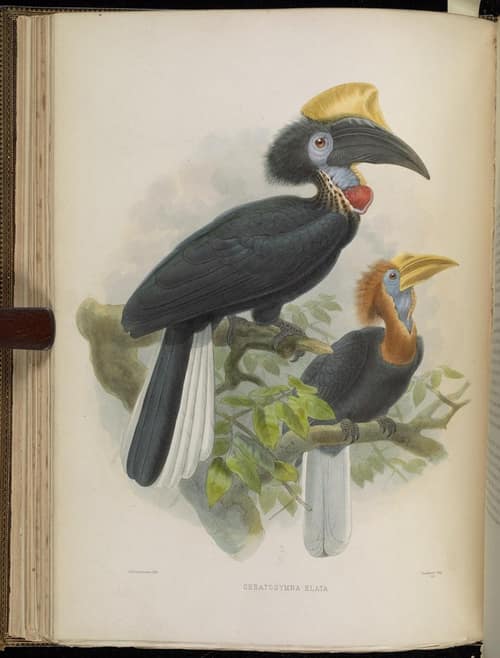
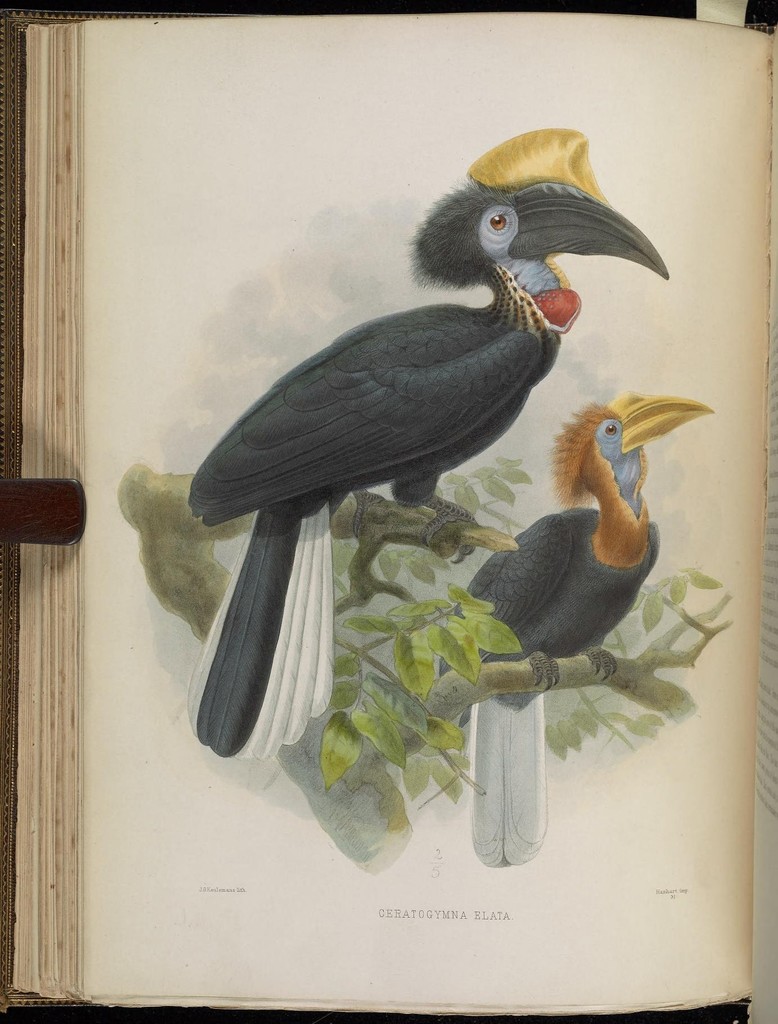
Licensed reference(c) Biodiversity Heritage Library, some rights reserved (CC BY) · cc-by
—observations
—countries
—peak records
VulnerableConservation statusIUCN Red List categoriesLCNTVUENCREWEXVulnerableRed List categories, explained →
Diet & prey
- Oil Palm Fruit
- Figs
- Insects
Predators
- Crowned Eagle
- Leopard
ThreatsDeforestation, forest degradation, and hunting
HabitatsPrimary lowland rainforest, swamp forest, and mature secondary forest
Life span15–25 years
Size / weightNot available
Classification
- FamilyBucerotidae
- SpeciesCeratogymna elata
Range data is not available yet.
Interaction riskLow
- Low
- Moderate
- High
- Very high
- Why interaction risk is low
- Maintains canopy distance; powerful bill can deliver a painful pinch if handled.
- What to notice
- Look for huge, dark canopy birds with prominent yellow beak casques and bare blue facial skin.
- Support conservation
- Observe from a distance and avoid disclosing specific nest site locations to prevent human disturbance.
Responsible observation
- Listen for Flight: Spot them by listening for their loud, swooshing wingbeats reverberating through the canopy.
- Scan High Canopies: Focus observation on upper forest layers and fruiting oil palm groves.
- Keep Quiet Distance: Use optics to observe canopy movements without disturbing nesting trees.
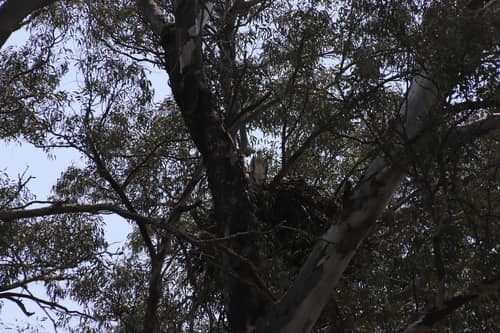
Predator (c) Suvarna Parbhoo Mohan, some rights reserved (CC BY-SA) · cc-by-sa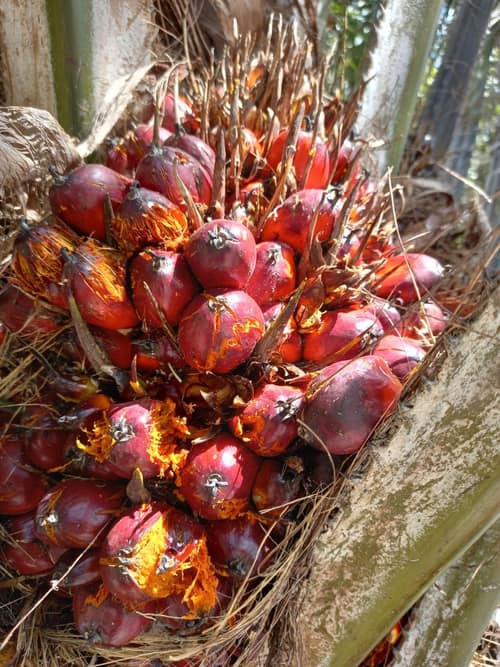
Food Source (c) Fabrício Mil Homens Riella, some rights reserved (CC BY), uploaded by Fabrício Mil Homens Riella · cc-by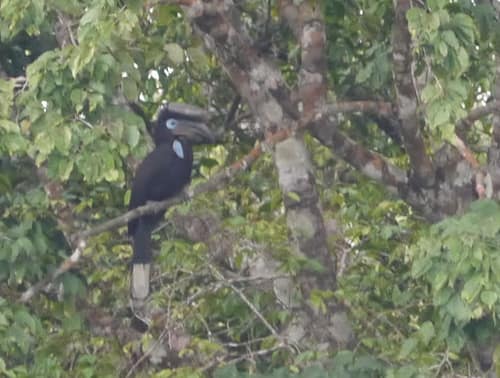
Close Relative (c) 116916927065934112165, some rights reserved (CC BY), uploaded by 116916927065934112165 · cc-by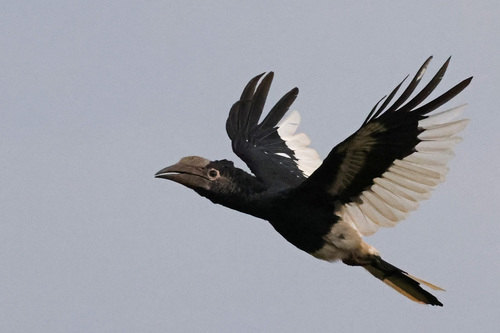
Close Relative (c) alanbedfordshaw, some rights reserved (CC BY-SA) · cc-by-sa
Help improve the field guideSomething wrong?
Checking your Fauna account…Report a name, category, or profile issue for review.